Overview
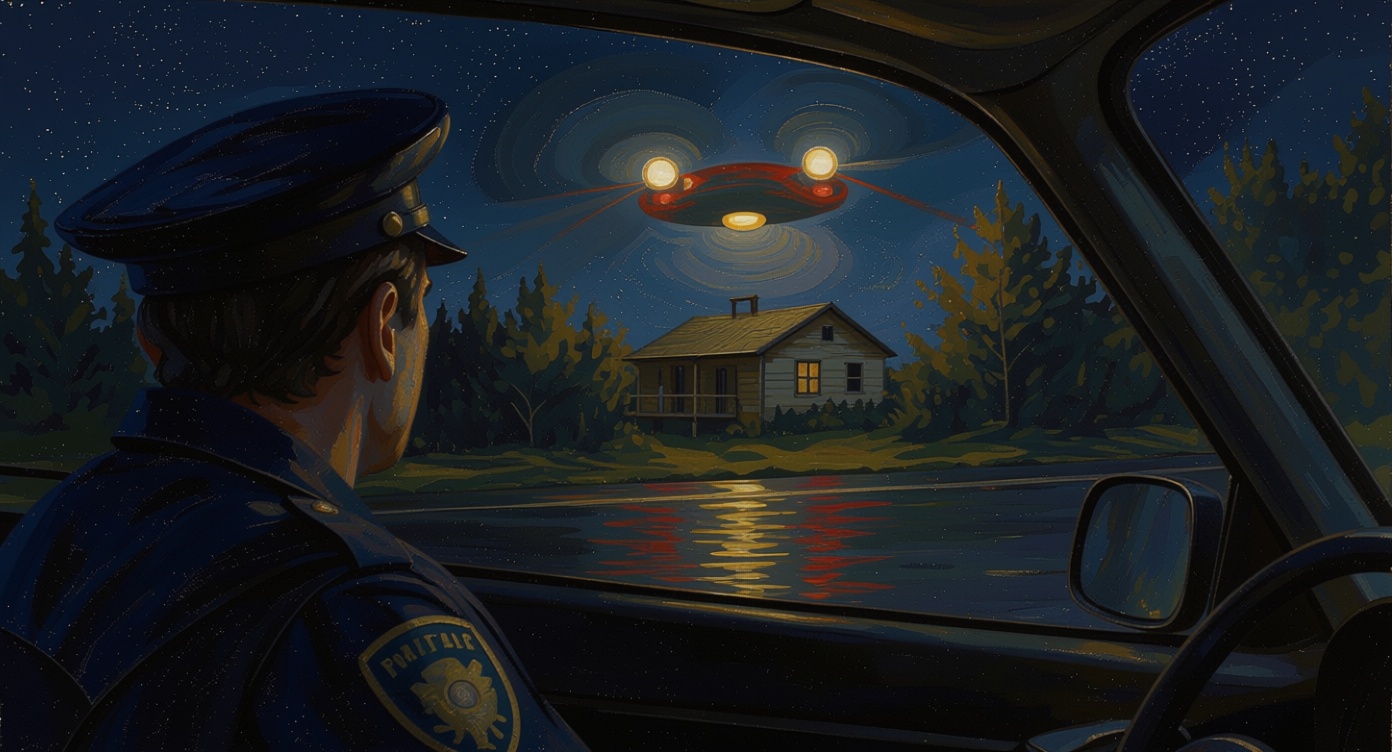
An opinion piece published on July 3, 2025 in The Hill questions whether the Pentagon has deliberately disseminated false UFO narratives to conceal classified programs. The author cites former Department of Defense officials and congressional staffers—most notably Tim Gallaudet, a former senior adviser to the U.S. Air Force’s Unidentified Aerial Phenomena (UAP) task force, and Christopher Mellon, a former deputy assistant secretary of defense for intelligence—who argue that some of the department’s recent UFO disclosures may have been “manufactured” to mislead the public and distract from sensitive research.
Background
Since 2020, the Pentagon has been under pressure to increase transparency about UAPs after several high‑profile sightings were released to the media. The establishment of the All‑Domain Anomaly Resolution Office (AARO) in 2022 marked the first time the Department of Defense (DoD) created a standing entity to collect, analyze, and report on unexplained aerial phenomena. In 2023, the Office released a heavily redacted report that acknowledged “multiple incidents of unknown origin” but offered no definitive explanations. Critics have argued that the report’s vague language and limited data release suggest an intent to control the narrative.
The Hill article contends that the Pentagon may have gone a step further—actively spreading fabricated UFO stories to create a smokescreen for advanced technology programs, such as hypersonic weapons or secret surveillance platforms. The piece does not present new classified documents but relies on statements from former insiders and an analysis of public releases.
Expert Opinions
Tim Gallaudet told the author that “the DoD has a history of using “UFO” as a blanket term to hide the development of next‑generation aerospace systems.” He pointed to a 2022 briefing in which senior officials allegedly described a “novel propulsion test” as a “UFO sighting” to avoid congressional scrutiny. Gallaudet, who helped draft the 2023 AARO report, warned that “if the Pentagon continues to conflate genuine unknowns with purposeful disinformation, it undermines both national security and public trust.”
Christopher Mellon, a longtime advocate for greater UAP transparency, echoed similar concerns. “There’s a pattern where the DoD releases sensationalized footage—often grainy, unverified—while simultaneously classifying the underlying data,” he said. Mellon cited a 2024 congressional hearing where a senior intelligence officer described a “strategic disinformation campaign” aimed at diverting attention from classified hypersonic testing. He added, “The problem isn’t the existence of UAPs; it’s the intentional mixing of real unknowns with fabricated narratives.”
Both experts stressed that their skepticism is rooted in documented instances of information manipulation within the defense establishment, not in any conspiratorial belief in extraterrestrials.
Evidence and Counterpoints
The article references a handful of publicly available incidents that illustrate the alleged practice. One case involved a 2021 Navy video of an “unidentified object” performing maneuvers that defied known physics. While the footage was later labeled as a “sensor anomaly” by the DoD, internal memos obtained through the Freedom of Information Act (FOIA) suggested the original description had been deliberately softened to “avoid public panic.”
Defenders of the Pentagon’s approach argue that operational security necessitates a degree of ambiguity. A spokesperson for the Office of the Secretary of Defense, who declined to be named, told The Hill that “the department must balance transparency with the need to protect sensitive technologies from adversaries.” Moreover, some analysts note that the UAP Task Force’s limited budget and staffing constrain its ability to verify every sighting, leading to occasional reliance on “best‑guess” language.
Conclusion
The Hill opinion piece raises a serious question about the integrity of the Pentagon’s UFO disclosures. While former officials like Gallaudet and Mellon provide compelling arguments that the DoD may have used fabricated UFO stories as a cover for secret programs, the evidence remains largely circumstantial and based on insider testimony. As congressional oversight committees continue to demand more rigorous reporting, the line between genuine unknown phenomena and strategic disinformation will likely be tested.
For now, the debate underscores a broader tension: how to ensure national‑security secrecy while maintaining public confidence in government transparency. Whether the Pentagon’s UFO narrative is a deliberate smokescreen or a byproduct of bureaucratic complexity, the call for clearer, evidence‑based communication appears louder than ever.