Overview
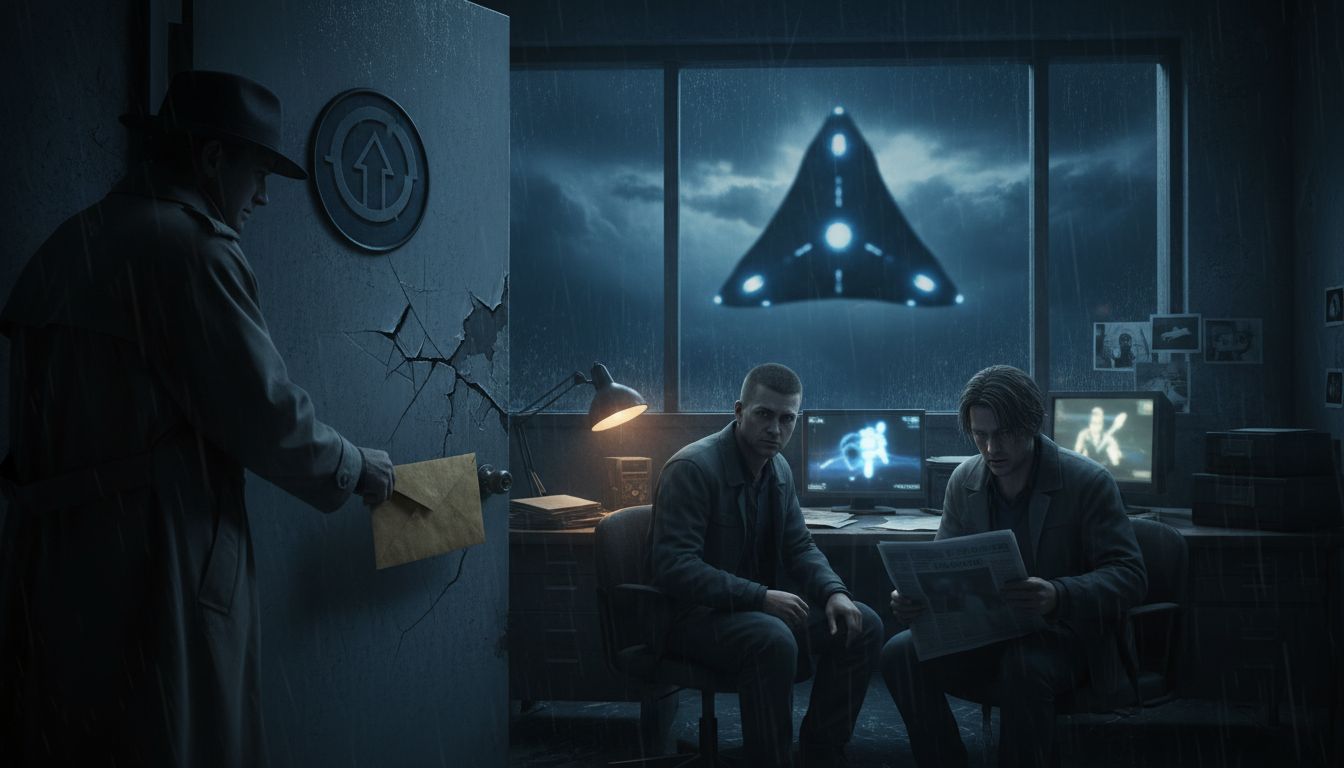
An investigation into Unidentified Anomalous Phenomena (UAP) overseen by the Office of the Director of National Intelligence (ODNI) has become the focus of new controversy. According to multiple sources cited by Liberation Times, whistleblowers Matthew Brown and Dylan Borland say they were subjected to a coordinated smear campaign allegedly orchestrated by elements linked to the CIA. The alleged effort, described as “intimidation” and “false accusations,” is said to have been intended to deter Congress from pursuing additional UAP hearings and related transparency legislation.
Background
The ODNI’s Director’s Initiatives Group was created last year by Director of National Intelligence Tulsi Gabbard to “restore trust” after what she called government weaponization of intelligence agencies. The task force was disbanded in February 2026, and its members were reassigned, a move Reuters reported followed “alleged missteps.” Brown, a former Department of War official, authored a classified report that claimed an Unacknowledged Special Access Program is tracking advanced craft of both human and non‑human origin. His disclosures, along with those of former Air Force geospatial‑intelligence specialist Dylan Borland, have been central to recent congressional interest in UAP matters.
Allegations of Smear and Intimidation
The first public details of the alleged intimidation surfaced on the WEAPONIZED podcast, hosted by investigative journalists Jeremy Corbell and George Knapp. During the interview, Corbell relayed a conversation with an unnamed ODNI source who claimed that, in a secure SCIF meeting, Brown was labeled a “racist, Jew hater,” accused of fabricating a document known as the “Immaculate Constellation,” and linked to “counter‑espionage” and “treason” charges. The podcast quoted the source verbatim:
“One individual from ODNI told me that, in the SCIF, Matthew Brown is a racist, Jew hater… He admitted to completely making up the Immaculate Constellation document… The third big lie was that the words counter‑espionage and treason were painted on him.”
Brown categorically denied the accusations, and no public ODNI document has confirmed the claims. The whistleblowers assert that the alleged smear originated from a private SCIF—a facility used for highly classified discussions—raising questions about the use of classified environments to target individuals who are supposed to be protected.
ODNI Response
When approached for comment, an ODNI spokesperson emphasized the agency’s ongoing commitment to the objectives of former President Donald Trump’s executive orders on UAP transparency. The official stated that the ODNI “has been and continues to be focused on carrying out the objectives of President Trump’s executive orders and mandates, including assisting with any relevant information related to UAPs.” The spokesperson also clarified that “information discussed in a SCIF is not automatically classified; unclassified material can be addressed there,” suggesting that the alleged accusations may not have been the product of formal classified deliberations. No indication was given that the Director’s Initiatives Group formally endorsed the smear narrative.
Implications and Next Steps
If the whistleblowers’ claims prove accurate, the episode could have significant ramifications for congressional oversight of UAP investigations. Critics argue that intimidation tactics—real or perceived—undermine the credibility of intelligence agencies and could chill future disclosures from insiders. Congressional committees, already planning additional hearings on UAP transparency, may now face pressure to request a formal review of the ODNI’s handling of whistleblower protections. Meanwhile, advocacy groups are urging the intelligence community to adopt clearer safeguards against “retaliatory” actions, citing the need for a transparent process that balances national security with the public’s right to know. The unfolding dispute underscores the delicate balance between secrecy, accountability, and the growing public interest in unexplained aerial phenomena.


