Overview
As the debate surrounding Unidentified Aerial Phenomena (UAPs) and UFOs intensifies, 2026 is shaping up to be a pivotal year for disclosure advocates. According to a recent analysis from a leading UFO commentator, the coming months and years could see major shifts in how governments—especially the United States—handle the release of information regarding non-human intelligences. The video underscores that the demand for transparency is reaching a critical juncture, with new whistleblowers, high-profile events, and government insiders pushing for answers.
The Push for Transparency and Whistleblower Protection
Central to the current movement is the argument that “reality is classified”—a phrase echoing the frustrations of both military witnesses and the general public. The video highlights the testimonies of service members who have encountered unexplained phenomena yet remain bound by strict non-disclosure agreements (NDAs). “All these military members... need a voice. The people of the entire world need to know that this is real,” the commentator asserts, framing the issue as not just a matter of national security, but of public right to knowledge.
Notably, whistleblowers such as Jeffrey Nusatelli are pushing back against the notion that the public can simply rely on documentaries or books for information. “Can whistleblowers freely come forward to tell the public about what they know about this enigma?” he asks, pointing to the ongoing barriers to open discussion and investigation. The video likens the secrecy to a “knowledge embargo,” and calls for an end to the collective dismissal of the topic, comparing it to a child’s report of a monster under the bed—often ignored rather than investigated.
James Fox’s 2026 National Press Event
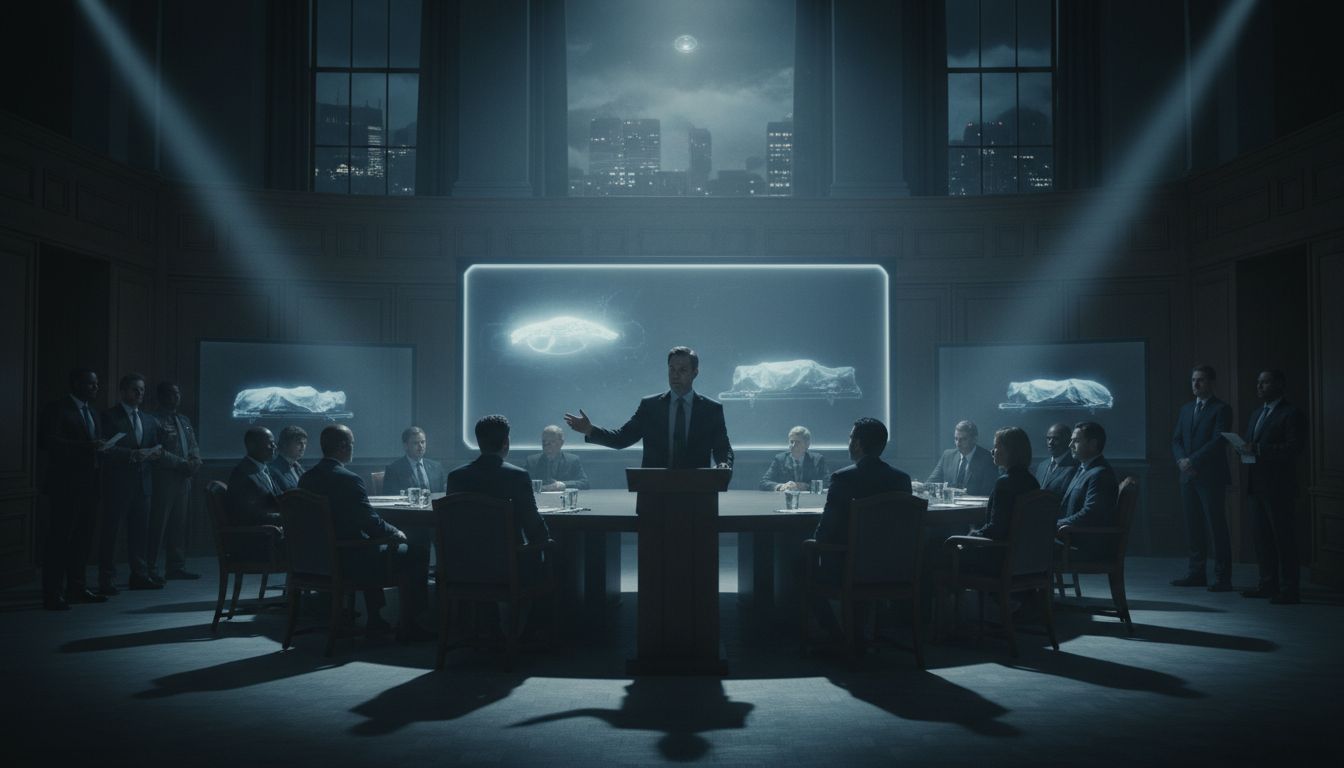
One of the most significant developments on the horizon is filmmaker James Fox’s plan to organize a major event at the National Press Club in Washington, D.C. early in 2026. The event aims to bring together firsthand witnesses from both the United States and Brazil. According to the video, these witnesses will publicly appeal to the executive branch for immunity from their NDAs, allowing them to testify openly before Congress about the details of their experiences—including the alleged locations of craft and bodies.
This approach, the commentator notes, is designed to put pressure on the current administration, reminding them that “if they don’t act… historians will see it as a missed opportunity to be the first government to disclose the reality of non-human intelligences.” The event is expected to be a watershed moment, potentially forcing the issue onto the national and international stage.
Congressional Frustration and New Revelations
The video also touches on the growing impatience in Congress, with lawmakers frustrated by the slow pace of disclosure and the continued classification of crucial evidence. Figures like Chris Mellon have made headlines by revealing details about secret programs at facilities such as Area 51, further fueling public and legislative interest. Upcoming congressional hearings, the commentator suggests, could provide additional platforms for whistleblowers and witnesses to share what they know—provided they are granted the necessary legal protections.
Cultural Momentum and the Path Forward
Beyond political developments, the video notes the influence of upcoming films, such as Steven Spielberg’s rumored “Disclosure Day” and Dan Farah’s recently released “The Age of Disclosure.” These cultural touchstones are seen as part of a broader movement to prepare society for the possibility of confirmation of non-human intelligence. “The world is more mysterious and more enchanted and more beautiful than we have been told to believe,” the commentator concludes, urging viewers to remain engaged and informed as 2026 approaches.
As the conversation around UFOs and UAPs continues to evolve, the coming years may bring answers—and challenges—that are unprecedented in modern history. The push for open hearings, government transparency, and cultural readiness suggests that, for many, 2026 will indeed be very different.


