Overview
A new episode of the Reality Check podcast, hosted by veteran journalist Ross Coulthart, explores a long‑standing mystery that bridges two fringe domains: the reputed hauntings of England’s “most haunted house” and a series of unidentified aerial phenomenon (UAP) reports in the surrounding countryside. In the interview, paranormal researcher Patrick Jackson argues that the historic Borley Rectory, long celebrated for its ghostly activity, may also be a focal point for anomalous sky sightings that have been logged by local residents and, more recently, by the United Kingdom’s Defence Ministry. The discussion, posted on YouTube on 7 January 2026, has quickly become a talking point among both UFO investigators and paranormal scholars.
Historical Hauntings
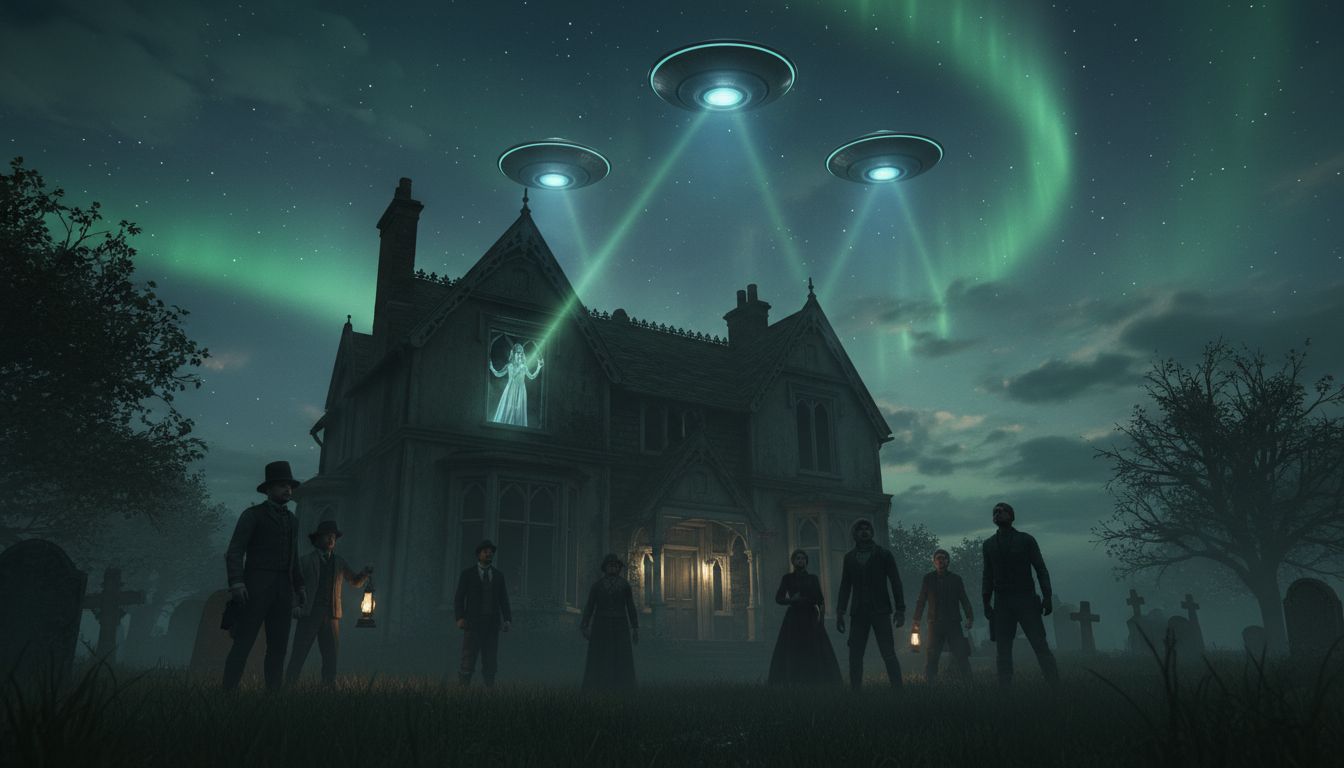
Built in 1862 in the village of Borley, Essex, the former rectory earned the nickname “the most haunted house in England” after a cascade of reports that included disembodied voices, moving furniture, and apparitions of a nun and a monk. The house was extensively investigated in the 1970s by the Society for Psychical Research, which documented over 2,000 alleged incidents before a fire destroyed the building in 1939. Although skeptics have attributed many of the phenomena to hoaxes or misperception, the site remains a cultural touchstone, attracting tourists, investigators, and a steady stream of folklore.
Recent UAP Reports
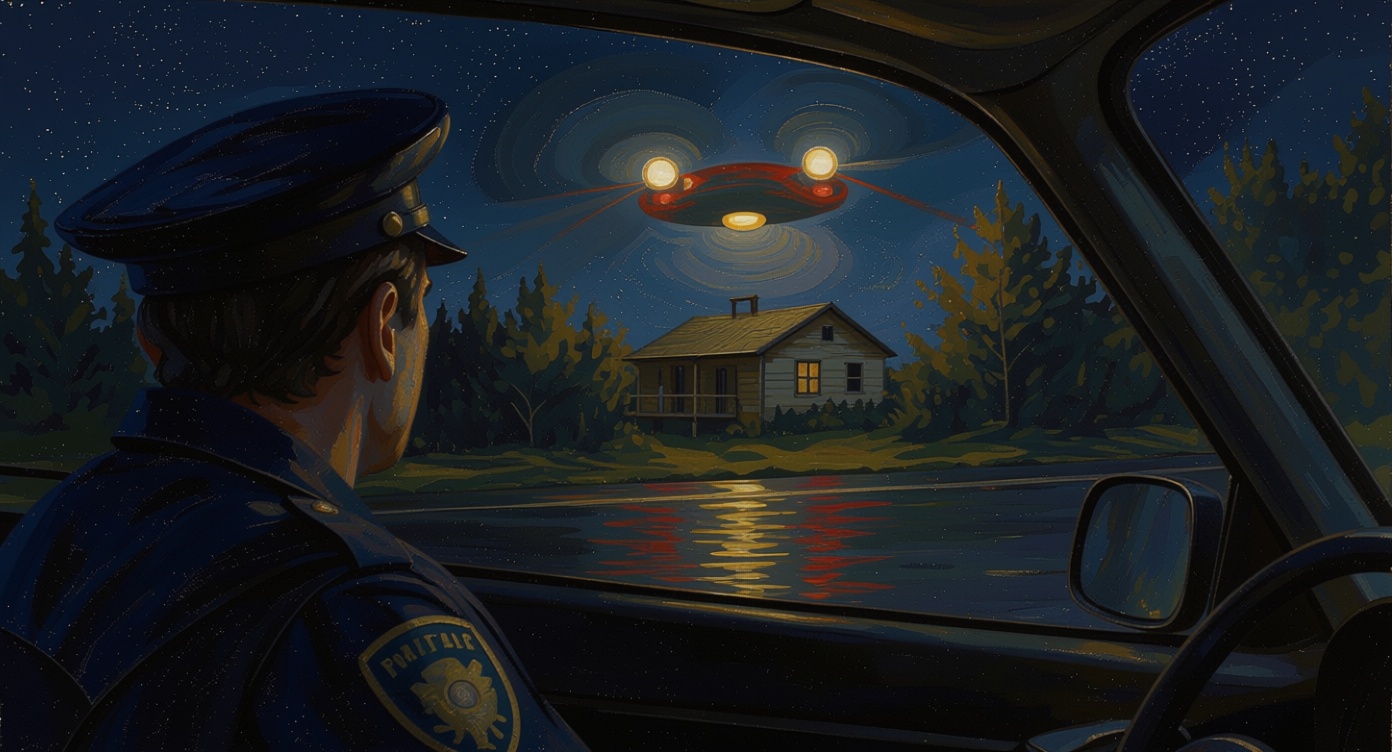
Since 2022, residents of the Borley area have filed a growing number of UAP sightings with the UK’s Unidentified Aerial Phenomena Task Force. Reports describe bright, pulsating lights moving in erratic patterns at low altitude, often coinciding with sudden temperature drops and unexplained electromagnetic interference—effects reminiscent of the “cold spots” historically recorded at the rectory. In March 2025, a local farmer captured a 30‑second infrared video showing a disc‑shaped object hovering above the former rectory grounds before accelerating away at high speed. The Ministry of Defence has classified the footage as “unexplained” and is reportedly reviewing it alongside historical accounts of the site’s activity.
Expert Perspectives
During the podcast, Jackson emphasized the importance of correlating temporal data: “When we line up the dates of the most vivid hauntings with the spikes in UAP reports, a pattern emerges that cannot be dismissed as mere coincidence.” Coulthart, who has previously covered classified UFO disclosures, cautioned against jumping to conclusions, noting that “the human brain is wired to seek patterns, especially in places already steeped in legend.” Independent researcher Dr. Emily Harper of the University of Manchester’s Atmospheric Physics department added that “localized electromagnetic anomalies can produce both visual phenomena and the sensation of a ‘presence,’ which may explain the overlap of reports.”
Implications and Next Steps
If the Borley site does indeed serve as a nexus for both paranormal and aerial anomalies, it could provide a rare laboratory for interdisciplinary study, uniting psychical researchers, aerospace engineers, and governmental analysts. Both the Ministry of Defence and the Society for Psychical Research have expressed interest in a joint field investigation, potentially employing high‑resolution lidar, magnetometers, and thermal imaging to capture data during peak activity periods. Meanwhile, the podcast episode has spurred public interest, prompting a petition that has gathered over 12,000 signatures demanding a transparent, scientific inquiry into the Borley phenomenon.
The conversation sparked by Coulthart and Jackson underscores a broader shift in how anomalous events are being examined: moving from isolated folklore or classified briefings toward collaborative, evidence‑based research. Whether the “key” to the UAP mystery lies within the crumbling walls of Borley Rectory or in the skies above, the convergence of these two enigmatic realms is prompting a fresh, critical look at phenomena that have long been relegated to the margins of mainstream science.