Background
In the spring of 1987 a radio DJ in the Upper Midwest aired an April Fool’s segment claiming that a “Dogman” – a bipedal, canine‑headed creature – had been spotted near a local highway. The tongue‑in‑cheek broadcast sparked an unexpected surge of calls, many of which described what callers insisted were genuine encounters rather than a prank. The episode marked the first widely documented link between a media hoax and a wave of self‑reported sightings, a pattern that has recurred in later years as the legend spread from the Great Lakes region to the Texas borderlands.
Recent Surge in Reports
Since that initial flare‑up, researchers have compiled “hundreds of documented witness accounts” spanning more than a century. The majority of reports describe a creature standing six to eight feet tall, with a canine head, a long muzzle, high‑set ears, and eyes that appear to emit their own light. Sightings typically occur at night or during the “liminal space” of dawn and dusk, when witnesses are engaged in routine activities such as driving rural roads, walking through woods, or sitting around a campfire. One recurring detail is the animal’s direct, unflinching gaze, which witnesses describe as “disquiet turning to fear as it turns and looks directly at whoever is watching it.”
Witness Profiles
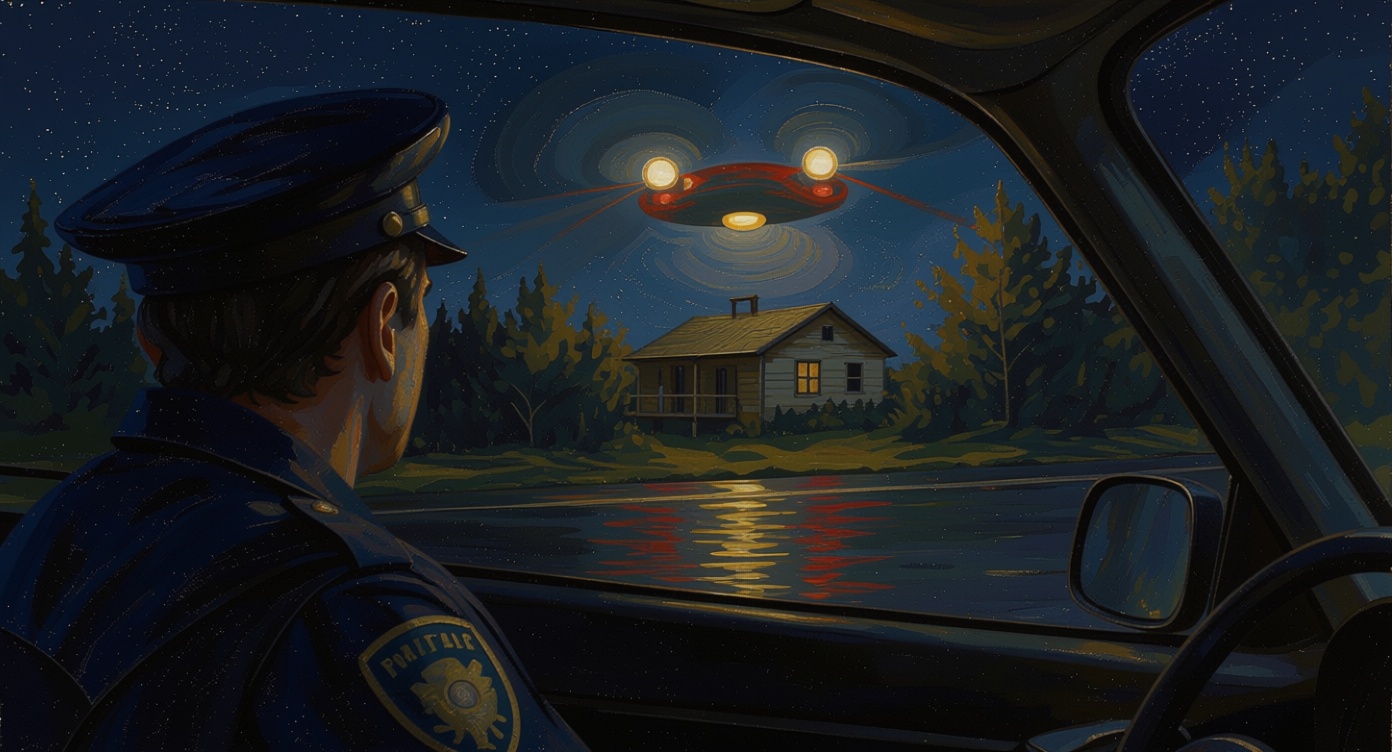
The files assembled over the past three decades include a cross‑section of individuals who, by profession, are accustomed to large wildlife. Law‑enforcement officers, seasoned hunters, forestry workers, and farmers—people who “have spent their working lives in close proximity to large woodland animals”—have come forward. Many reported waiting years before speaking out, often only after learning that others had described a similar creature. As the source notes, “The witnesses are not, as a group, suggestible or sensation‑seeking,” underscoring that the reports are not limited to self‑identified cryptid enthusiasts.
Scientific Perspective
Cryptozoology, a term coined by Belgian‑French zoologist Bernard Heuvelmans in the 1950s, occupies a niche between zoology, folklore, and eyewitness testimony. While the field has historically been dismissed by mainstream science, it has occasionally presaged genuine discoveries—such as the okapi, giant squid, and coelacanth, all once relegated to legend. Dr. Emily Ramos, a wildlife biologist at the University of Michigan, cautions against conflating anecdote with evidence: “Repeated descriptions can indicate a shared cultural motif, but without physical specimens or verifiable recordings, the Dogman remains a hypothesis, not a documented species.” She adds that “the consistency of certain details—height, bipedal stance, and luminous eyes—warrants systematic field surveys, especially in known hotspots like Manistee National Forest.”
Ongoing Investigation
The modern investigation into Dogman sightings continues to rely on volunteer networks, local law‑enforcement reports, and emerging technologies such as motion‑triggered cameras and drone surveillance. Researchers are also examining the 1987 radio incident as a case study in how media can amplify folklore. While skeptics point to the possibility of misidentified wildlife—large wolves, bears standing on hind legs, or even human pranksters—advocates argue that the breadth of witness backgrounds and the geographic spread of reports make simple misidentification unlikely to explain every case. As the debate unfolds, the Dogman remains emblematic of a broader question: how do we distinguish between cultural myth and undiscovered fauna in an age of instant information?