Overview
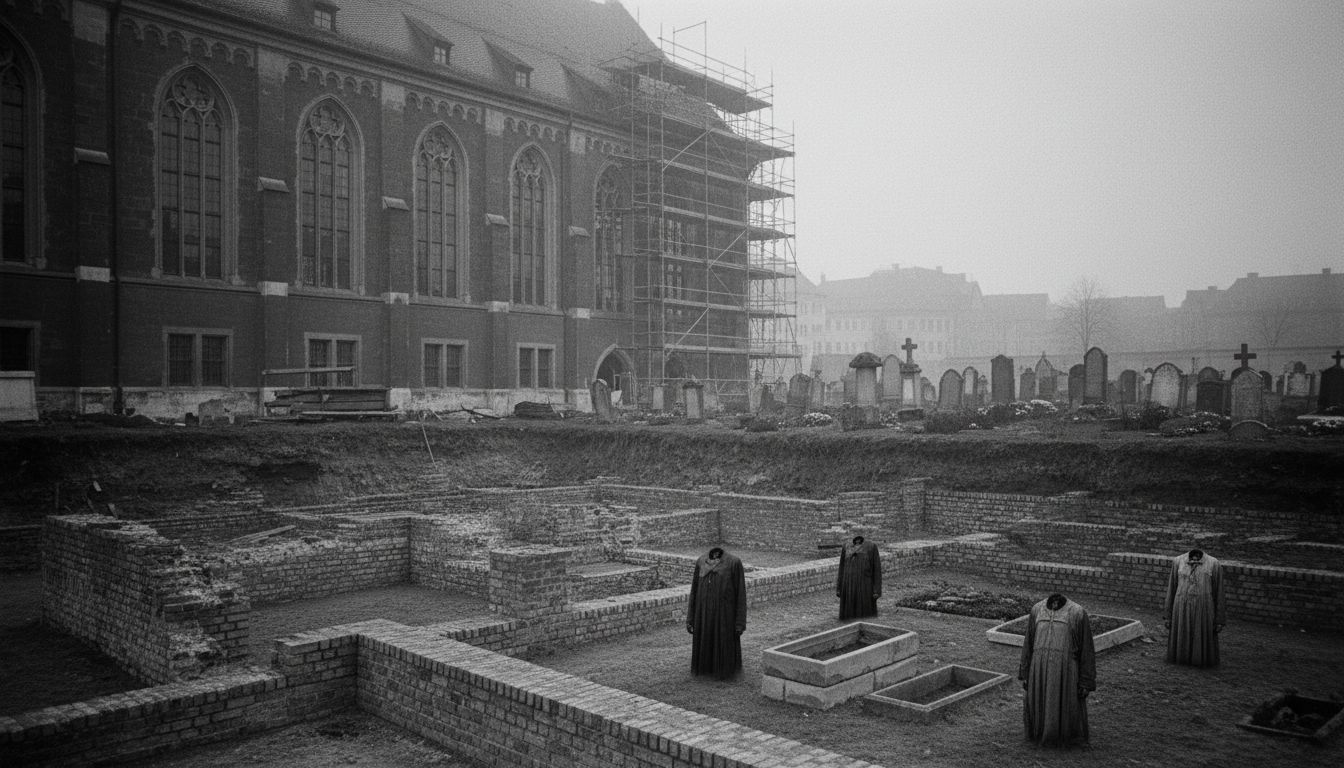
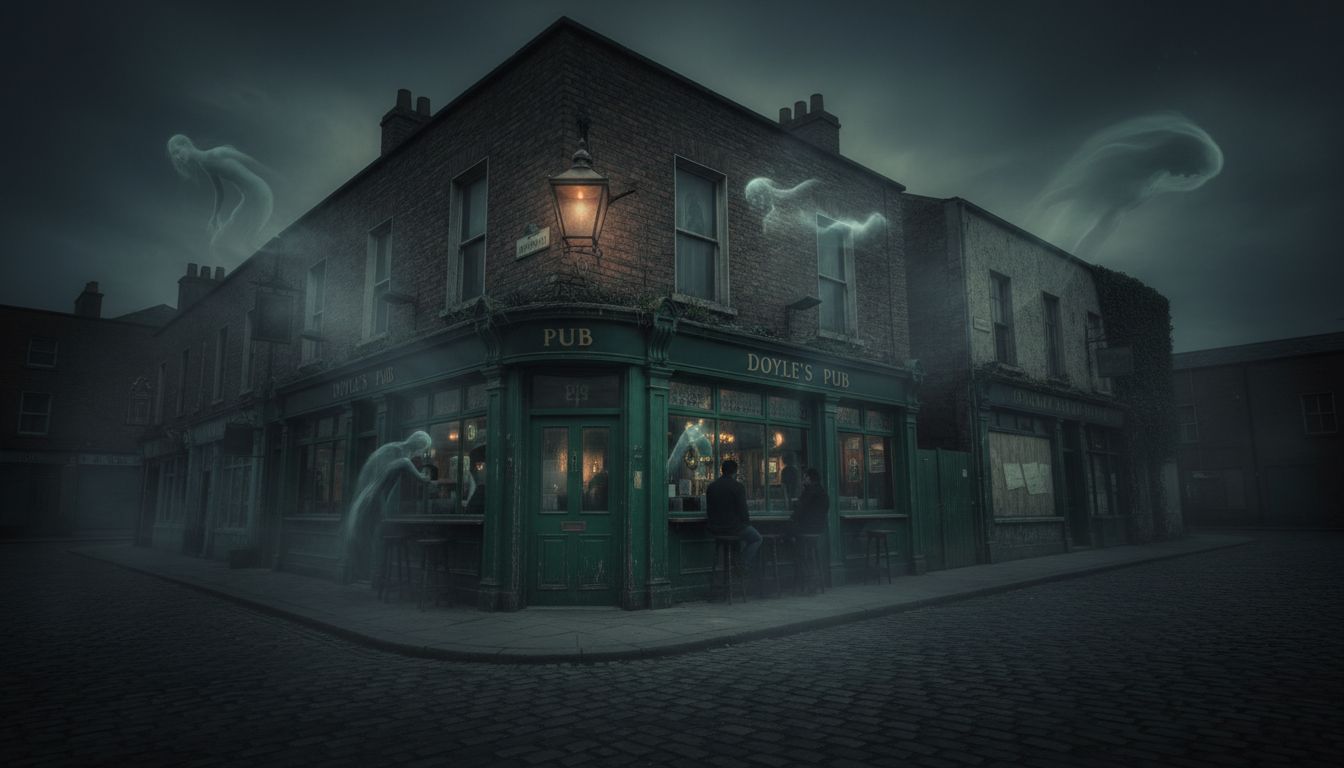
Doyle’s Pub, a Victorian‑era public house at the intersection of the North Circular Road and Doyle’s Corner in Phibsborough, Dublin, has long been a staple of the neighbourhood’s social life. Built from reclaimed stone of the nearby Saint Peter’s Church, the establishment—originally known as The Arthur Conan Doyle—draws both locals and tourists for its historic ambience and well‑stocked bar. In recent months, however, the venue has attracted additional attention for reports that the building may be inhabited by lingering spirits linked to the former Lanigan’s Funeral Home that once occupied the adjoining property.
Historical Context
The pub’s architecture dates to the late 19th century, and its walls have witnessed a roster of notable visitors. Irish writer Brendan Behan is documented as a frequent patron, his presence contributing to the lively literary culture of the era. More unusually, records indicate that Albert Pierrepoint—the British executioner responsible for over 400 hangings—stopped at Doyle’s when he was in Dublin for duties at Mountjoy Prison. While Pierrepoint’s visits are a matter of historical record, local folklore intertwines his grim profession with the pub’s later reputation for supernatural activity, suggesting that the “hangman’s shadow” may have lingered long after his final drink.
Reported Phenomena
Patrons and staff have described a range of unexplained occurrences, most of which concentrate on the second‑floor area that once housed a dance hall. Common reports include doors closing on their own, glasses shattering without apparent cause, and cold spots that appear suddenly near the stairwell. Several eyewitnesses claim to have seen a pale, translucent figure at the top of the stairs, only for it to vanish when approached. The phenomenon gained wider media attention in the early 2000s when a local newspaper covered a “noisy ghost” allegedly active on the second floor. Although the dance floor is now closed, the stories persist, often linked to the former Lanigan’s Funeral Home, which operated next door for decades and handled many of the city’s funeral services.
Expert and Local Perspectives
“Doyle’s is a building with a layered past, and that naturally fuels storytelling,” says Dr. Siobhán O’Leary, a historian at Dublin City University who has researched the pub’s architectural evolution. “There is no verifiable evidence of paranormal activity, but the combination of a historic site, a former funeral home, and the memory of a figure like Pierrepoint creates a potent narrative.”
The pub’s current manager, Eoin Murphy, acknowledges the anecdotes while emphasizing safety and hospitality: “We’ve had a few guests mention strange sensations, especially on colder evenings, but we never see anything that jeopardizes our patrons. The stories are part of the charm, and we treat them with respect.”
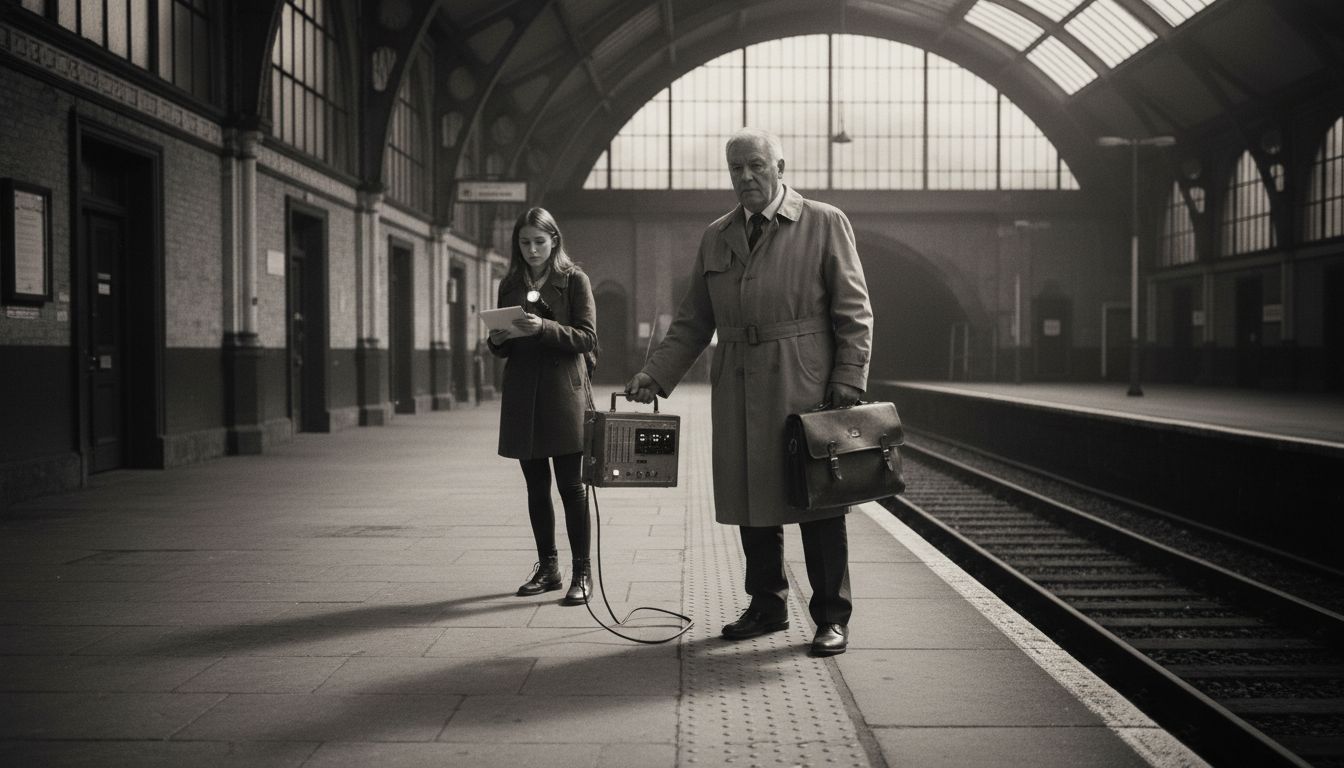
Paranormal investigator Maeve Gallagher, who has conducted informal surveys at Doyle’s, notes a pattern: “The majority of reports involve sensory experiences—temperature drops and auditory cues—rather than visual apparitions. This aligns with what many historic buildings exhibit, especially those with underground wells or cellars, as Doyle’s does.”
Current Status and Cultural Impact
Today, Doyle’s Pub continues to operate as a traditional Irish tavern, offering live music on the ground floor and a menu that highlights local brews. The cellar’s forgotten well, mentioned in the venue’s lore, remains sealed for safety, and the second‑floor space is now used for private events rather than a public dance hall. While the hauntings have not deterred business, they have added a distinct layer to the pub’s identity, attracting curiosity‑driven visitors and occasional paranormal‑tour groups.
As Dublin’s urban landscape evolves, Doyle’s stands as a reminder that historic venues often carry both tangible heritage and intangible narratives. Whether the reported cold spots and fleeting shadows are the work of physics, psychology, or something less easily explained, they continue to shape the conversation about how communities remember and reinterpret the past within everyday spaces.