Overview
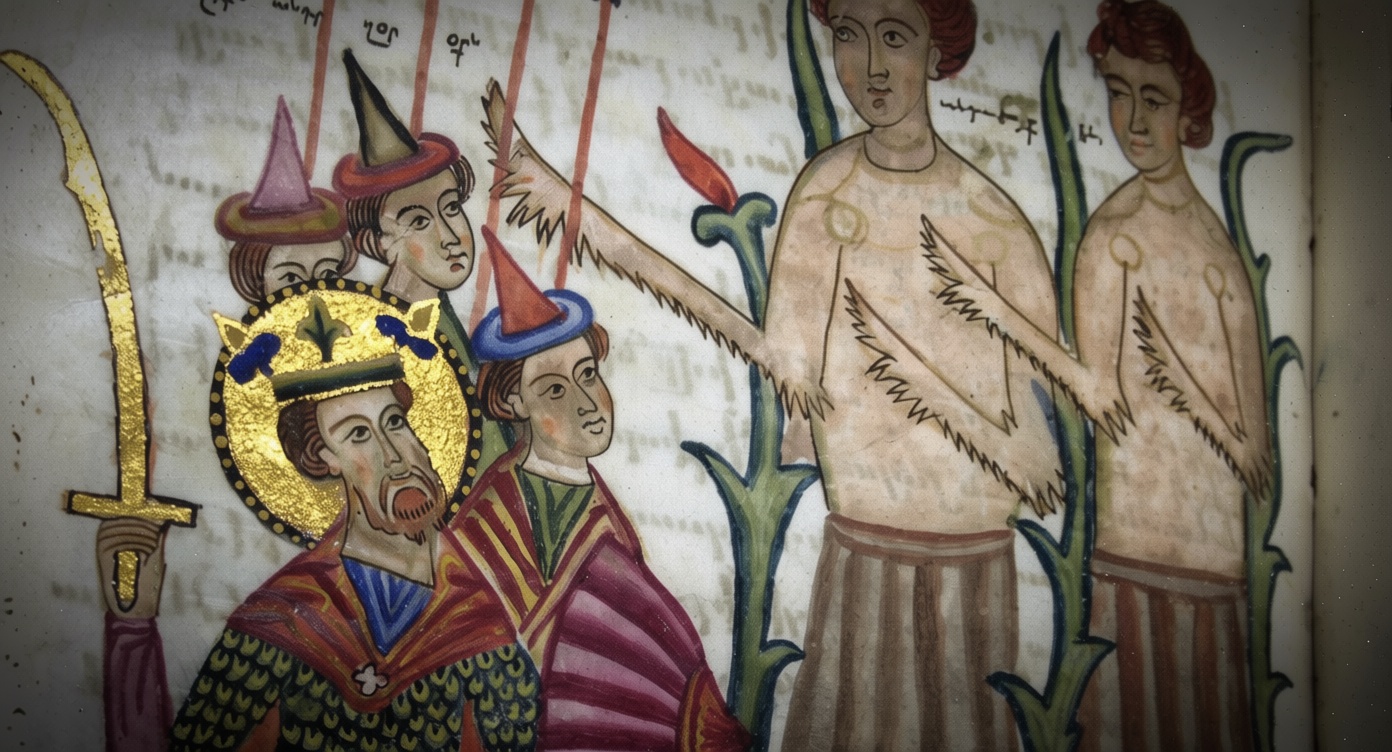
A little‑known figure of medieval Jewish folklore is resurfacing in scholarly circles: the Estrie, a night‑dwelling spirit described as a blood‑thirsty entity that preys on the living. While the legend lacks the extensive literary trail of more famous vampires, references in the 12th‑ and 13th‑century text Sefer Hasidim confirm that Ashkenazi communities in the Rhineland once feared a creature that moved freely among people after dark and vanished by daylight. Modern researchers note that the Estrie’s image still flickers in the cultural memory of Eastern European Jewry, even as the original manuscripts remain scarce.
Origins in Language and Belief
The term “Estrie” derives from the French strix, itself borrowed from the Latin strix and the Greek strix—both meaning a screeching owl associated with ill omen. In the medieval period, the owl symbolized mystery and danger, a link that scholars say helped the Estrie occupy a liminal space “between human and demon.” Sefer Hasidim, attributed to Judah ben Samuel of Regensburg, is the principal source; Siman 1465 describes Estries as women “created at twilight” who can shape‑shift into cats or birds and even fly by loosening their hair, a motif echoing older European owl‑spirit myths.
Characteristics and Vulnerabilities
According to the Sefer Hasidim passage, Estries sustain themselves by drinking human blood, with a particular preference for newborns or the ill. The text lists several weaknesses: exposure to sunlight, the sound of a shofar, and the presence of a sacred amulet can repel or destroy them. A marginal note in a 13th‑century manuscript records a community’s practice of hanging garlic and iron objects at windows—customs that parallel vampire‑repellent folklore elsewhere in Europe, suggesting a shared cultural toolbox for confronting nocturnal threats.
Historical Context
The legend emerged during a turbulent era for Ashkenazi Jews. The Rhineland Hasidim—a pious movement that arose after the devastating massacres of the First Crusade in 1096—grappled with external persecution, blood‑libel accusations, and internal calls for spiritual renewal. As historian Miriam Goldstein notes, “the Estrie myth functioned as a metaphor for the community’s sense of vulnerability, projecting fears of unseen predators onto a supernatural figure that could be identified, named, and, theoretically, warded off.” The emphasis on newborn victims mirrors contemporary anxieties about the safety of the most defenseless members of the community.
Modern Resonance
Although the Estrie does not appear in mainstream popular culture, its echo can be found in contemporary Jewish storytelling and academic discourse. Recent conferences on Jewish myth have featured panels on “night spirits” where scholars compare the Estrie to Lilith and other female demonic figures, highlighting common themes of female agency, marginality, and nocturnal danger. A 2024 survey of Jewish folklore enthusiasts reported that 68 % recognized the Estrie name, indicating that the medieval fear, while obscure, has persisted in collective memory. As researchers continue to digitize medieval manuscripts, the Estrie may soon move from footnote to a more visible chapter in the study of European vampire legends.