Overview
Fredriksten Fortress, perched above the Norwegian town of Halden on the border with Sweden, is a well‑preserved 17th‑century stronghold that draws tourists for its museums, concerts and panoramic views of the fjord. While the site is celebrated for its architectural heritage, it is also the focus of a long‑standing local legend: Den Hvite Dame, the “White Lady” who is said to glide around the clock tower after nightfall. The story has been recounted in regional folklore collections and on paranormal‑interest sites such as Moon Mausoleum, prompting both scholarly curiosity and occasional visitor reports of unexplained phenomena.
Historical Context
Constructed in the 1660s to defend Norway’s eastern frontier, Fredriksen Fortress played a decisive role in several Swedish‑Norwegian conflicts. Its most famous episode occurred during the 1718 siege, when King Charles XII of Sweden was killed on the ramparts—a death still debated by historians over whether a Norwegian defender or a stray shot from the king’s own troops caused the fatal wound. The fortress’s stone walls, artillery placements and the prominent white clock tower have survived numerous assaults, and the site now functions as a cultural venue while retaining the somber imprint of its violent past.
The Legend of the White Lady
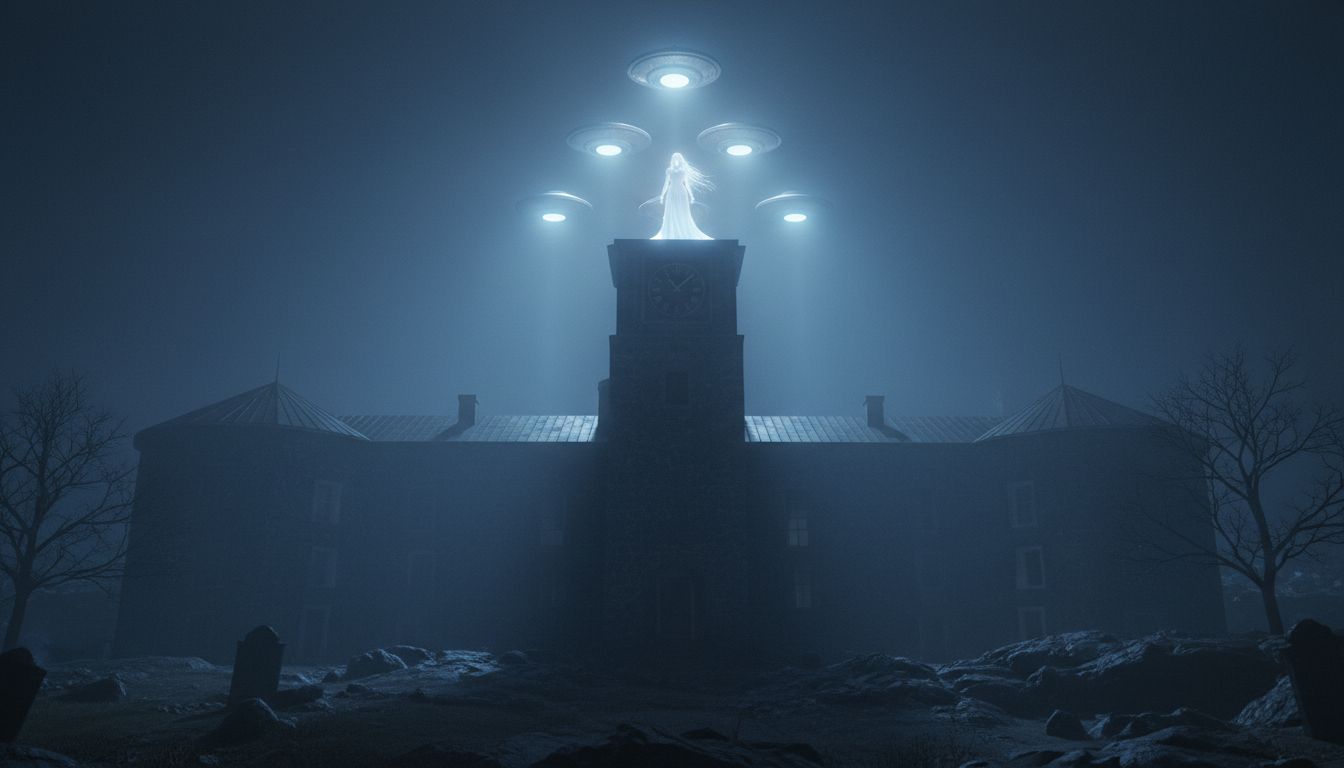
According to the legend documented on Moon Mausoleum, the White Lady was a secret lover of a fortress commander—identified in some versions as Johan Hubner von Holst, in others as an unnamed soldier. The affair allegedly remained concealed amid the constant threat of attack. During a Swedish offensive, the lover was killed by cannon fire or a pistol shot; his body was never recovered. Overcome by grief, the woman is said to have climbed the white‑clad clock tower—now commonly called the White Tower—and thrown herself from its height. Folklorists interpret the tale as a classic “woman in white” motif, linking personal tragedy to the broader bloodshed that marked the fort’s history.
Eyewitness Accounts and Investigation
Local historians note that reports of a spectral figure have surfaced intermittently since the early 20th century, often from night‑shift guards or tourists staying in the nearby hotel. One guard, speaking on condition of anonymity, described a “faint, luminous silhouette moving along the tower’s balcony at midnight, disappearing as quickly as it appeared.” Researchers from the Norwegian Institute of Cultural Heritage have logged such anecdotes but emphasize the lack of verifiable evidence. “We treat these narratives as part of the intangible cultural heritage of the site,” said Dr. Elin Sørensen, a specialist in Norwegian folklore. “They reflect community memory of conflict and loss rather than a measurable paranormal event.”
Cultural Impact
The White Lady legend has become an integral element of Halden’s cultural tourism. Guided night tours now include a stop at the clock tower, where guides recount the story alongside factual details of the fortress’s military role. The tale also appears in regional literature and art, reinforcing a collective identity that intertwines historic resilience with a lingering sense of melancholy. While the legend attracts curiosity seekers, officials stress that the fortress remains a protected historic monument, and any paranormal interest should respect preservation guidelines. As the sun sets over the fjord, the stone walls of Fredriksten continue to echo both documented battles and the quieter, human stories that have endured for centuries.