Overview
Each December, Bern’s historic Old City glitters with festive lights, mulled wine aromas, and bustling Christmas markets that attract thousands of visitors. Amid the holiday cheer, a quieter tradition persists: the city’s seasonal ghost legends. Collected by folklorist Hedwig Correvon in Ghost Stories from Bern (1919), these tales re‑emerge each year, reminding locals and tourists that Bern’s celebration is intertwined with narratives of spirits from bygone eras.
Historical Context
Bern’s winter folklore draws from a broader Swiss tradition of “Advent spirits,” where the long, dark nights of the Alpine region have long been fertile ground for supernatural storytelling. The two most frequently recounted hauntings—the Dancing Beguines and the Lonely Walk near the Studerstein—are rooted in specific landmarks along the Aare River. According to the city’s cultural office, the stories have been passed down through oral histories and were first documented in the early twentieth century, reflecting both the city’s medieval monastic past and its evolving urban landscape.
The Dancing Beguines
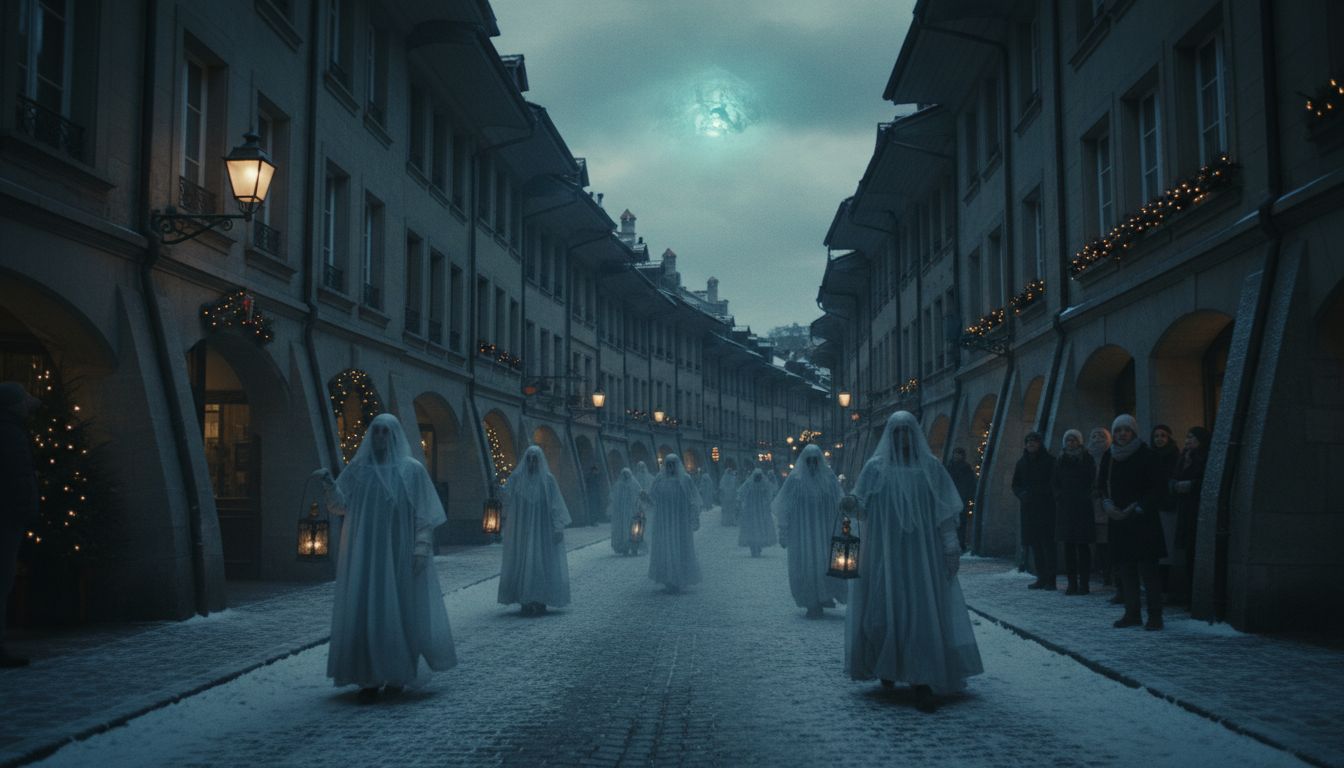
Near the Nydeggbrücke, witnesses claim that on moonlit December evenings seven flickering lights rise from the river and whirl in a graceful pattern before fading at midnight. The lights are said to represent the spirits of Beguines—young women who, according to the legend, were confined to the former Klösterlistutz monastery against their will. While the Beguine movement was historically a lay religious community that allowed members to leave voluntarily, the Bern tale casts them as restless souls granted a single night of freedom each Christmas. Local historian Dr. Martina Keller notes, “The story captures a collective memory of medieval religious constraints, repurposed as a seasonal apparition that both entertains and cautions.” The phenomenon, she adds, “has become a modest yet cherished part of Bern’s Advent narrative, often recounted by market vendors to curious tourists.”
The Lonely Walk Near the Studerstein
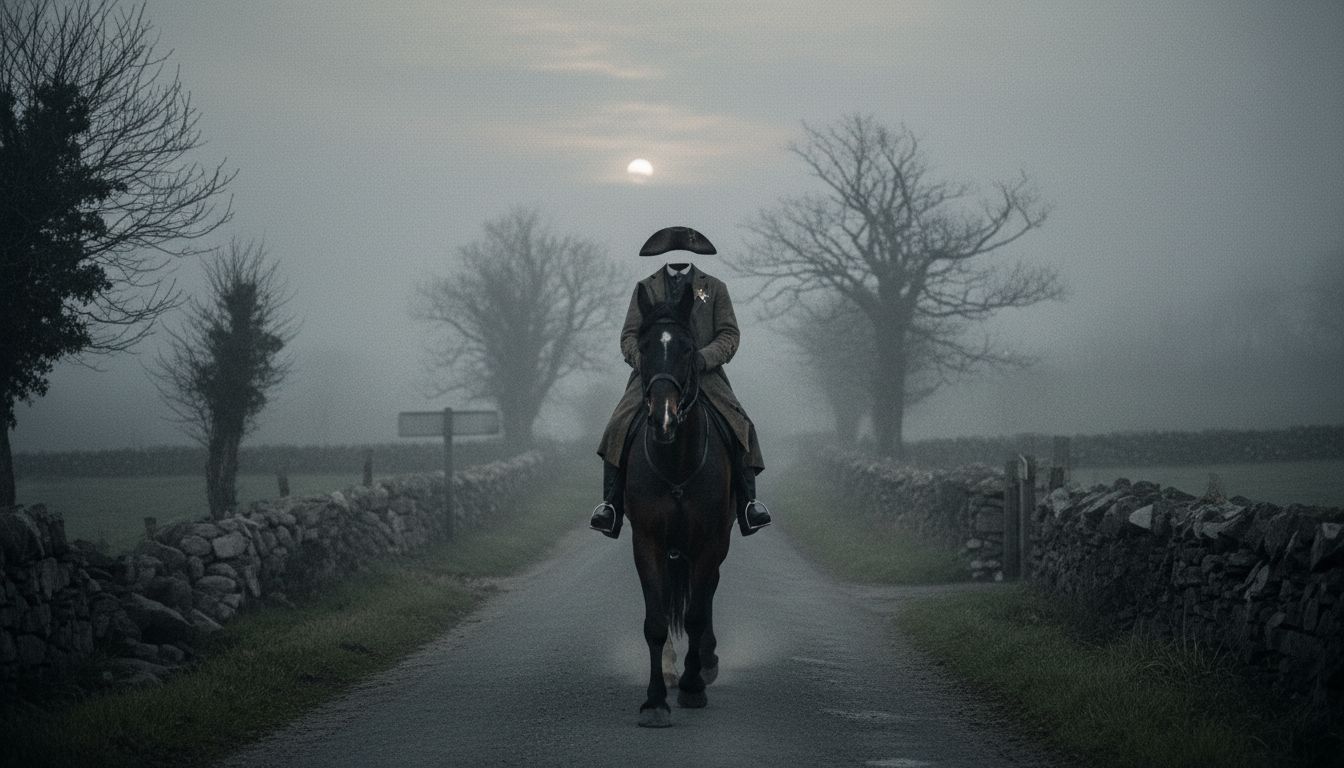
In the quiet interval between Christmas and New Year’s, a solitary figure is said to pace the banks of the Aare near the Studerstein park. Dressed in period attire—long wig, knee breeches, polished buckled shoes—the ghost carries a silver‑capped cane and walks without speaking. A single documented encounter, recorded by a municipal worker in the 1970s, describes the figure’s silent passage and the eerie stillness that follows. Cultural anthropologist Lukas Meier explains, “The ‘Lonely Walk’ functions as a narrative of solitude during the holiday season, reflecting the social reality that not everyone partakes in communal festivity.” Though no physical evidence has been produced, the story persists in guided tours and local folklore pamphlets.
Cultural Impact and Tourism
Bern’s municipal tourism board has embraced the hauntings as a complementary attraction to its Christmas markets. Since 2022, the city has offered “Spooky Stroll” evenings, where guides recount the Beguine dance and the Studerstein wanderer while leading small groups along the riverbanks. Visitor surveys indicate that 35 % of respondents cite the ghost stories as a “highlight” of their Bern experience, underscoring the blend of heritage and myth that enriches the city’s seasonal appeal. As Bern prepares for the 2026 Advent season, officials plan to expand interpretive signage near Nydeggbrücke, providing historical context for both the Beguine movement and the folklore that has grown around it.
Looking Forward
While the Christmas hauntings of Bern remain firmly in the realm of legend, they serve a tangible role in the city’s cultural tapestry. By preserving these narratives—through scholarly documentation, municipal promotion, and community storytelling—Bern continues to honor a dual heritage of celebration and remembrance. As the festive lights illuminate the medieval streets each December, the whispered tales of dancing lights and solitary footsteps remind residents and visitors alike that the spirit of the season can be both joyful and reflective.