Overview
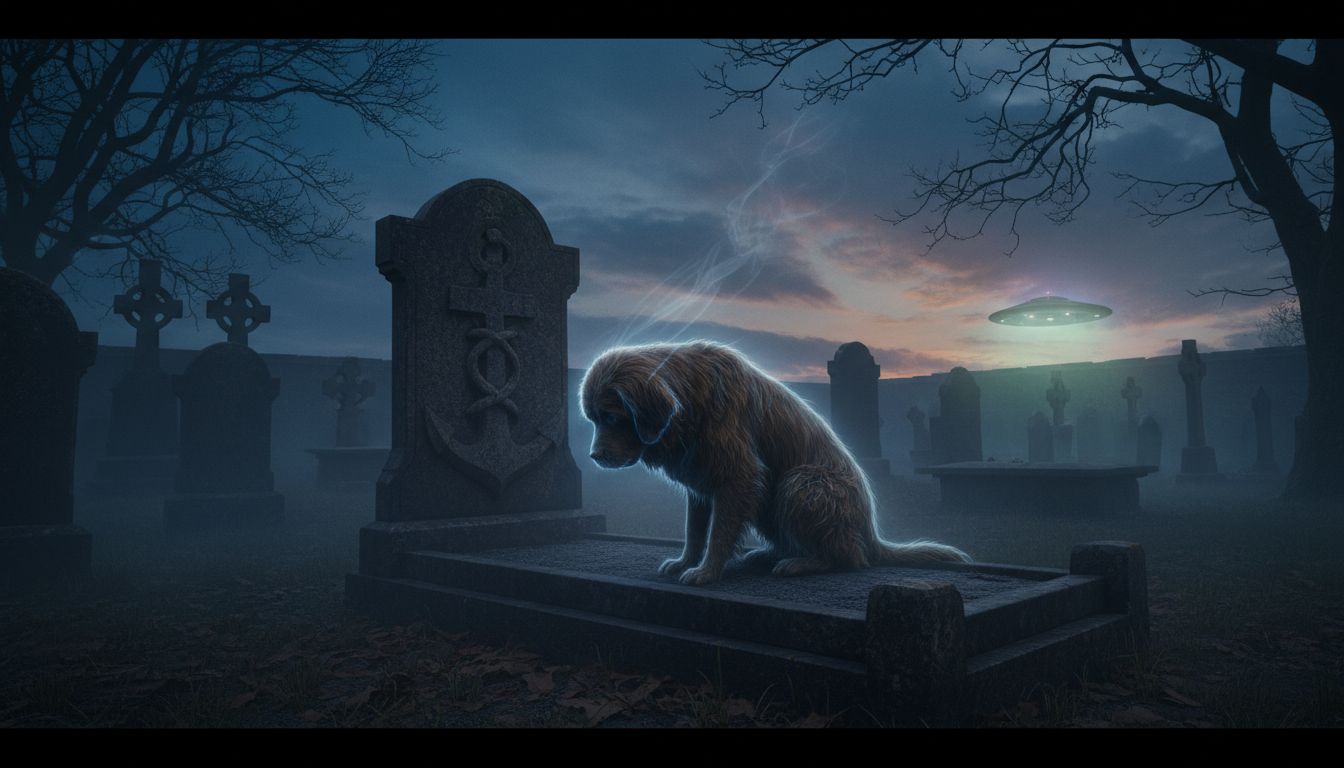
Glasnevin Cemetery, Dublin’s 124‑acre burial ground that holds more than 1.5 million interments, continues to attract both history enthusiasts and visitors drawn by its reputation for the paranormal. While the site is celebrated for the graves of national figures such as Michael Collins and Éamon de Valera, a lesser‑known tale has persisted for more than a century: the story of a Newfoundland dog that allegedly guarded its master’s grave until death and is now said to roam the rows of headstones. The legend, first recorded in local folklore collections, resurfaced in recent weeks after a guided tour highlighted the “faithful ghost dog” as part of Glasnevin’s rich oral tradition.
Historical Context
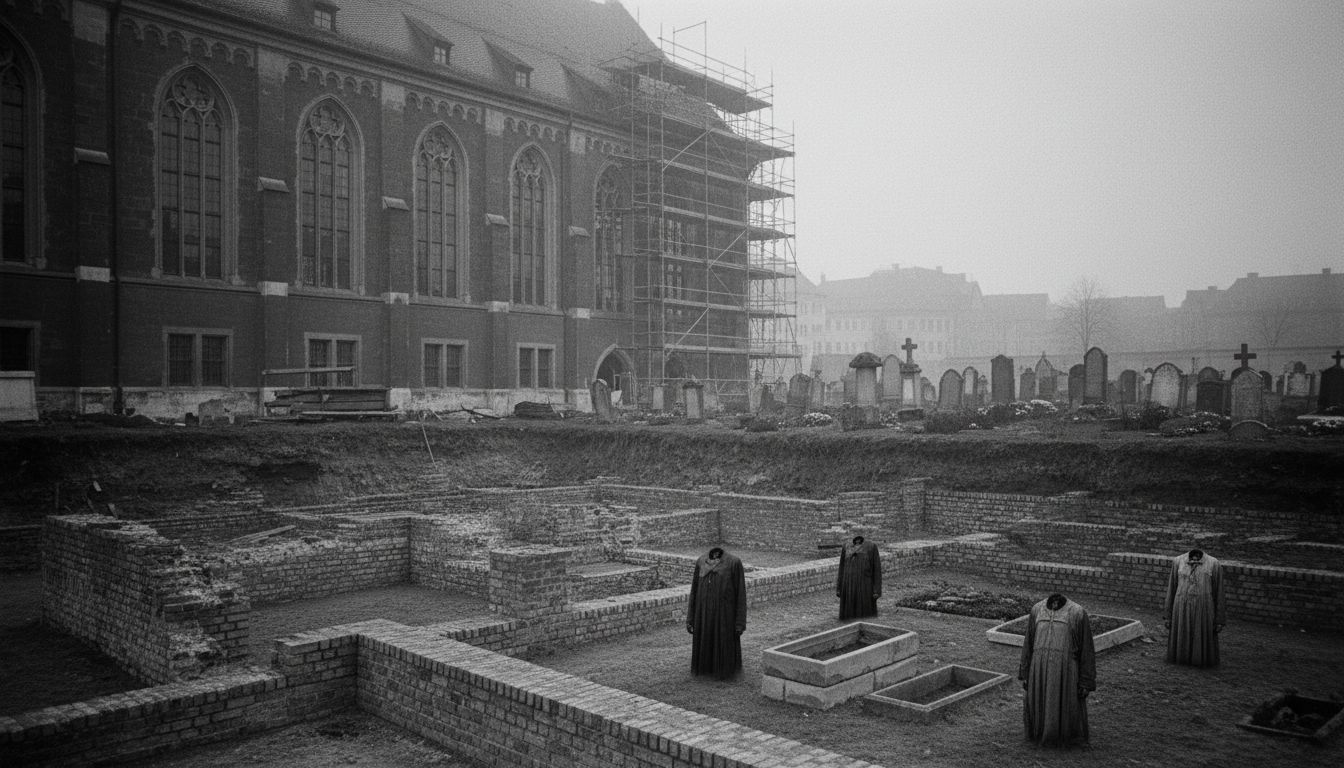
Founded in 1832 by Irish nationalist Daniel O’Connell, Glasnevin was intended as a dignified resting place for Catholics who had previously been denied burial in Protestant‑controlled churchyards. The cemetery’s design—spanning open lawns, ornate monuments, and the towering O’Connell Tower—reflects its original purpose as an “open‑air museum of Irish identity.” Over the decades the grounds have become the final resting place for rebels, poets, politicians, and ordinary citizens whose lives were cut short by famine, war, or disease. Its origins trace back even further, to a sixth‑century monastery established by Saint Mobhi, which endured Viking raids before evolving into the modern cemetery.
The Legend of the Faithful Dog
According to the narrative documented on the Moon Mausoleum website, the dog’s master was Captain John McNeill Boyd, a sea captain who perished in a storm‑riven rescue attempt on 24 March 1861. The vessel, The Neptun, smashed into the east pier at Dun Laoghaire, and Boyd’s body was recovered days later. The story claims that his Newfoundland companion remained on board throughout the ordeal, refusing to leave his master’s side. After Boyd’s interment in Glasnevin, the dog is said to have taken up a permanent vigil at the grave, “day in and day out,” until starvation claimed it. Contemporary accounts are scarce, but the legend persists in oral histories shared by cemetery volunteers.
“People have told us for generations that they hear a soft bark or see a shadow slipping between the stones near Boyd’s plot,” said Mairead O’Sullivan, a long‑time docent at Glasnevin. “While there is no documentary evidence of the dog’s burial, the tale has become part of the site’s cultural fabric, illustrating how personal loss can echo through a community’s collective memory.”
Current Perspectives
Scholars of Irish folklore note that such stories often serve as allegories for loyalty and mourning. Dr. Eoin Gallagher, a lecturer in folklore at University College Dublin, explains, “The Newfoundland dog, known for its gentle temperament and devotion, fits the archetype of the faithful guardian. In a cemetery that already houses the memories of national heroes, the dog’s narrative provides a more intimate, human‑scaled expression of grief.”
Glasnevin’s administration neither confirms nor denies the supernatural claims, emphasizing instead the importance of respecting the site’s historical significance. “Our priority is preserving the dignity of those buried here,” said Catherine Murphy, the cemetery’s heritage officer. “We do, however, acknowledge that legends like the ‘faithful ghost dog’ contribute to public interest and encourage responsible visitation.”
Conclusion
Whether rooted in fact or folklore, the story of the Newfoundland dog at Glasnevin underscores the cemetery’s dual role as a repository of national history and a canvas for local mythmaking. As Dubliners and tourists continue to walk its winding avenues, the tale reminds visitors that the resonance of loss can linger long after the final stone is laid, shaping how societies remember both the celebrated and the quietly devoted.