Overview
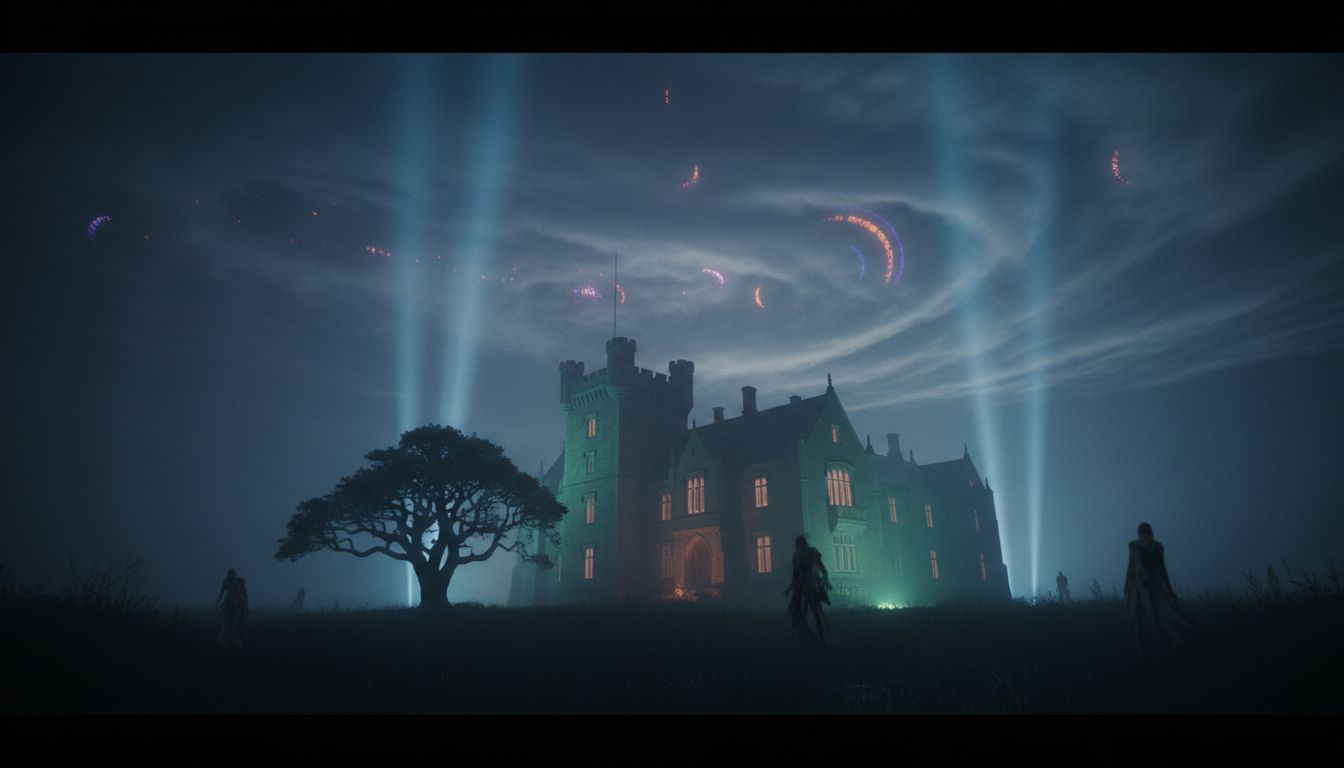
Larnach Castle, perched on the Otago Peninsula near Dunedin, has long been billed as New Zealand’s only true castle and, equally, as one of the country’s most reputedly haunted sites. Built in 1871 by William Larnach, a prosperous merchant‑banker who struck wealth during the Otago gold rush, the 19‑room mansion was intended to cement a lasting family dynasty. Decades of personal loss, failed political ambitions and a collapse of Larnach’s business empire, however, turned the grand residence into a tableau of tragedy that continues to draw both tourists and paranormal investigators.
Historical Background
The castle’s design was entrusted to Robert Lawson, a leading architect of the era, who fashioned the structure in a Gothic‑Revival style that combined turrets, stained glass and an ornate ballroom. William Larnach, a self‑made millionaire who later entered Parliament, spared no expense in creating a home that would reflect his social ascent. Yet the very symbols of his success became markers of his downfall. By the early 1880s, a series of ill‑fated investments, coupled with political setbacks, eroded his fortune. In 1898, under mounting financial pressure, Larnach took his own life with a pistol in the castle’s drawing‑room—a event that has become the centerpiece of the site’s haunting lore.
Family Tragedies
The Larnach family’s misfortunes extended beyond the patriarch’s suicide. William’s wife, Jeanie, died of an illness only months after his death, leaving their children orphaned and the estate in legal limbo. Their son, William Jr., struggled with alcoholism and died prematurely in 1914, while their daughter, Mary, never married and spent her later years as a recluse within the castle’s walls. Historians such as Dr. Helen McAllister of the University of Otago note that “the succession of personal tragedies, compounded by the collapse of the family’s financial and political standing, created a narrative of loss that has been woven into the castle’s identity.” These events have fueled stories of restless spirits roaming the corridors, especially the ballroom where the patriarch’s suicide is said to echo.
Modern Interpretations
In 1994, Dunedin’s Fortune Theatre staged Castle of Lies inside the castle’s majestic ballroom, dramatizing the Larnach saga for a live audience of more than one hundred. The production coincided with an unexpected storm: wind rattled the stone fireplaces, hail hammered the iron roof, and a flash of lightning illuminated the moment when the actor portraying William Larnach fired a prop pistol. Audience members recalled, “We thought the lightning was a theatrical effect, but the timing was uncanny,” said longtime castle guide and tour coordinator James Foster. While the incident was later explained as a natural weather event, it reinforced the castle’s reputation for uncanny coincidences.
Ongoing Legacy
Today, Larnach Castle operates as a historic attraction, offering guided tours that blend architectural appreciation with the family’s somber narrative. The site’s management emphasizes factual history while acknowledging the folklore that surrounds it. “Our aim is to present the Larnach story with integrity, allowing visitors to form their own conclusions about the alleged hauntings,” says Heritage Manager Sarah Keen. The castle’s dual identity—as a preserved 19th‑century mansion and a focal point for paranormal curiosity—continues to fuel both academic interest and tourism, ensuring that the tragic legacy of the Larnach family remains a living part of New Zealand’s cultural tapestry.