Overview
Luis “Lue” Elizondo, the former director of the Pentagon’s Advanced Aerospace Threat Identification Program (AATIP), has renewed public pressure on Washington to release classified information about unidentified aerial phenomena (UAP). After resigning from the Department of Defense in 2020, Elizondo has claimed that the government continues to withhold critical data on sightings that have entered restricted airspace and could pose national‑security risks. His assertions come amid new congressional requirements—mandated by the 2025 National Defense Authorization Act (NDAA)—that obligate the military to report every UAP incident to the Senate Armed Services Committee within 48 hours.
Background
Elizondo’s career began in Army counter‑intelligence, with tours in Afghanistan before he was recruited in 2007 to lead a little‑known DoD effort to investigate unexplained aerial observations. AATIP, funded at roughly $22 million, produced a series of declassified videos that sparked renewed media interest in 2020. After leaving the Pentagon, Elizondo signed on as a consultant for the History Channel series Unidentified: Inside America’s UFO Investigation and secured a multi‑book deal with HarperCollins. He has appeared on major news outlets and podcasts, positioning himself as a “whistleblower” seeking to force the government to acknowledge what he describes as “a profound implication for humanity.”
Recent Developments
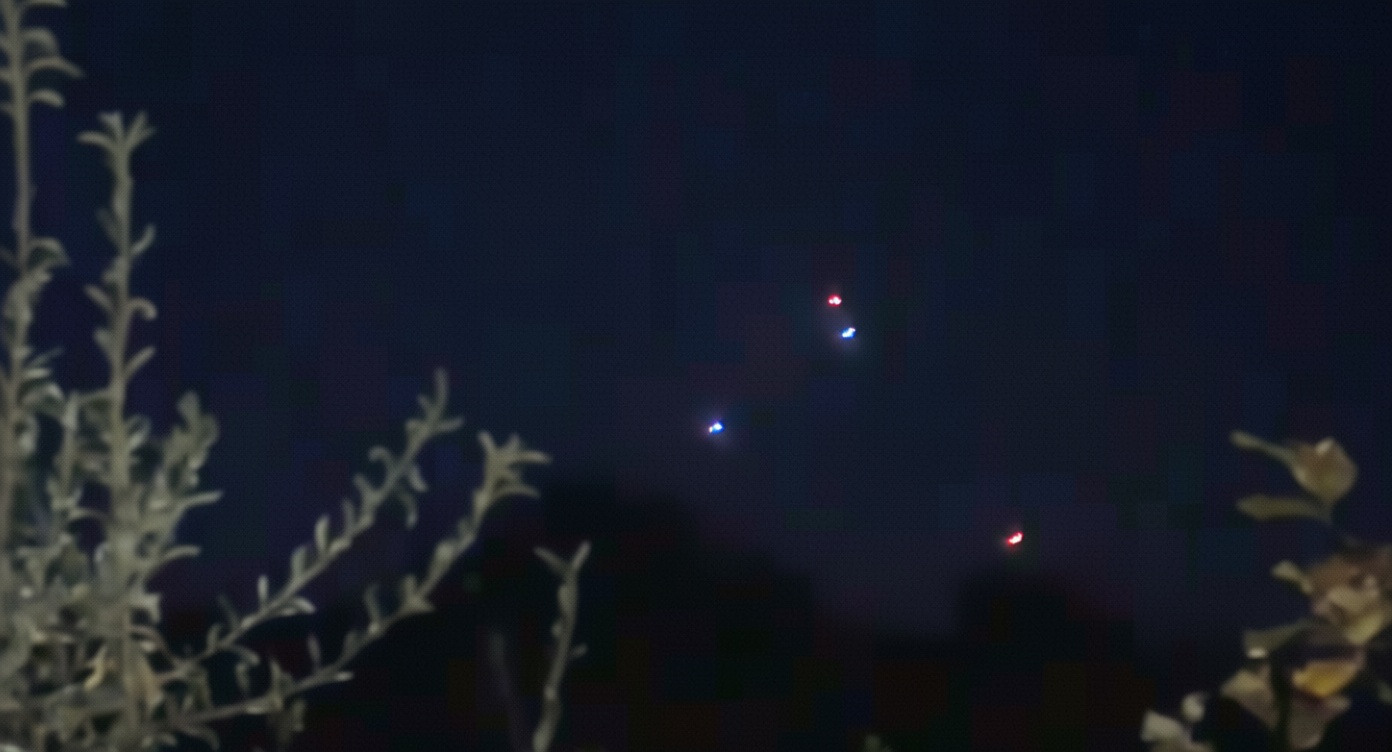
Since the NDAA’s reporting clause took effect in early 2025, the Pentagon has logged more than 200 UAP encounters, including several that breached restricted flight zones around military installations in California, Nevada, and the Atlantic coast. In one documented case on 12 May, a cylindrical object hovered for 45 seconds at an altitude of 5,000 feet within a classified training range, prompting an immediate scramble of F‑22 fighters. Although the pilots reported no hostile intent, the incident was classified as a “potential security threat” and forwarded to the newly created Joint UAP Task Force. Defense officials say the increased transparency is intended to “ensure that any technology—whether foreign, domestic, or unknown—does not compromise operational safety.”
Elizondo’s Allegations and Personal Risks
Elizondo contends that many of the NDAA reports are being redacted or delayed, preventing a full public accounting. “We have videos, radar tracks, and pilot testimonies that never see the light of day,” he told The New York Times in a 2023 interview. He also alleges that senior officials within the Department of Defense have warned him against further disclosure, and that he has faced “persistent threats” ranging from legal intimidation to cyber‑harassment. While he declined to name specific sources, Elizondo said, “The pressure is real, but the truth about what’s out there cannot stay hidden forever.” His former colleagues, however, have cautioned that some of his statements may overstate the level of internal secrecy, noting that classification protocols often limit what can be released without jeopardizing sources.
Outlook and Official Response
The Pentagon has publicly acknowledged the NDAA reporting mandate and affirmed that it is reviewing all incoming UAP data. In a statement released on 2 December, the Office of the Secretary of Defense emphasized that “the safety of our airspace remains a top priority” and that “ongoing analysis will determine whether any observed phenomena represent advanced foreign technology, sensor anomalies, or other explanations.” Congressional leaders, including Senate Armed Services Chairman Jack Reed, have called for an independent audit of the UAP reporting process, citing Elizondo’s claims as a catalyst for greater oversight. Analysts suggest that, if the government begins to release vetted findings, the debate could shift from speculative conspiracy to concrete policy discussions about aerospace security and potential technological breakthroughs. Until then, Elizondo’s advocacy continues to spotlight the tension between national‑security secrecy and the public’s right to know.