Tim Cullen’s experience began with a vivid dream on the night of 2 April 1978, in which he saw himself involved in a catastrophic traffic accident. The nightmare, which he dismissed at the time, resurfaced a week later while he was driving on Colorado’s Highway 59 with his friend Ken Ruberg. Within seconds the scene from his subconscious unfolded: the car rolled over multiple times, leaving Cullen with a broken neck. Ruberg, who escaped with only minor injuries, managed to free Cullen and flag down a passing motorist, who took the pair to a nearby hospital. The uncanny correspondence between the dream and the real‑world crash has been a focal point for investigators examining the case.
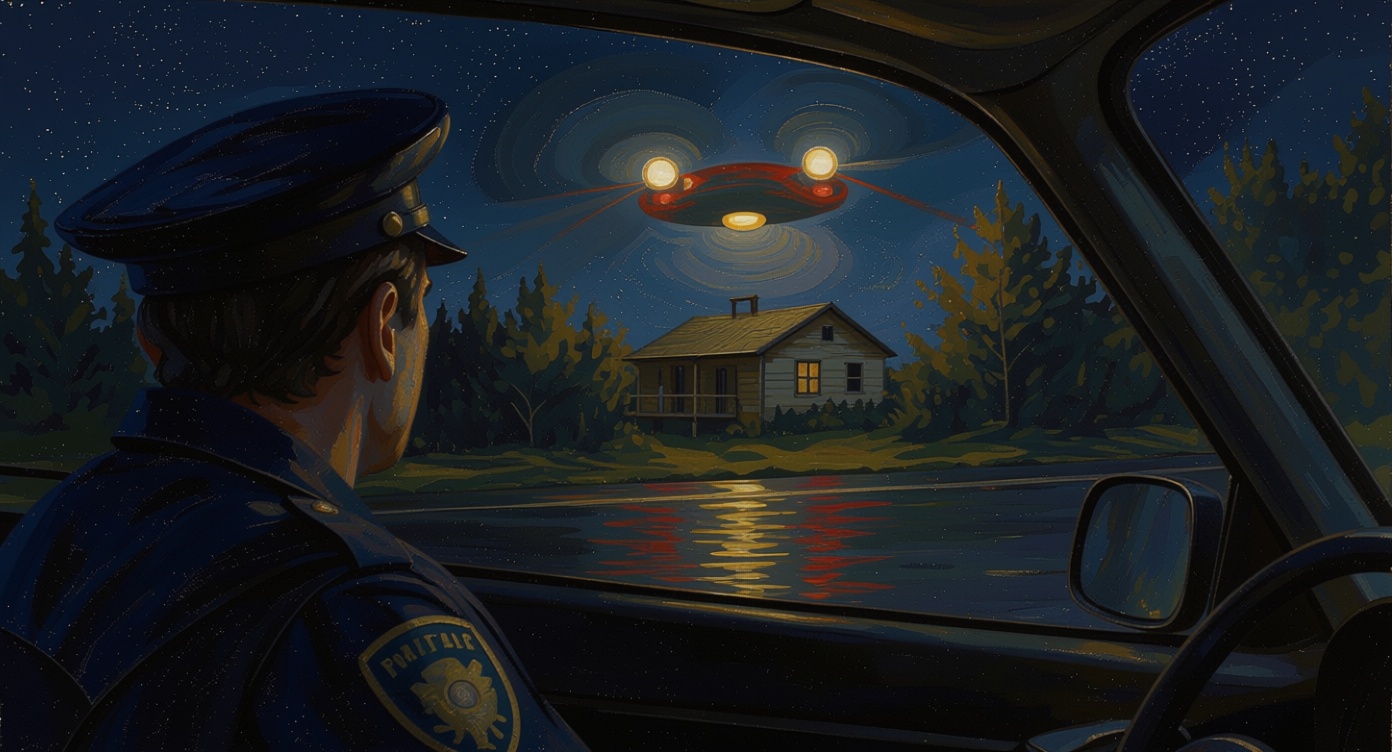
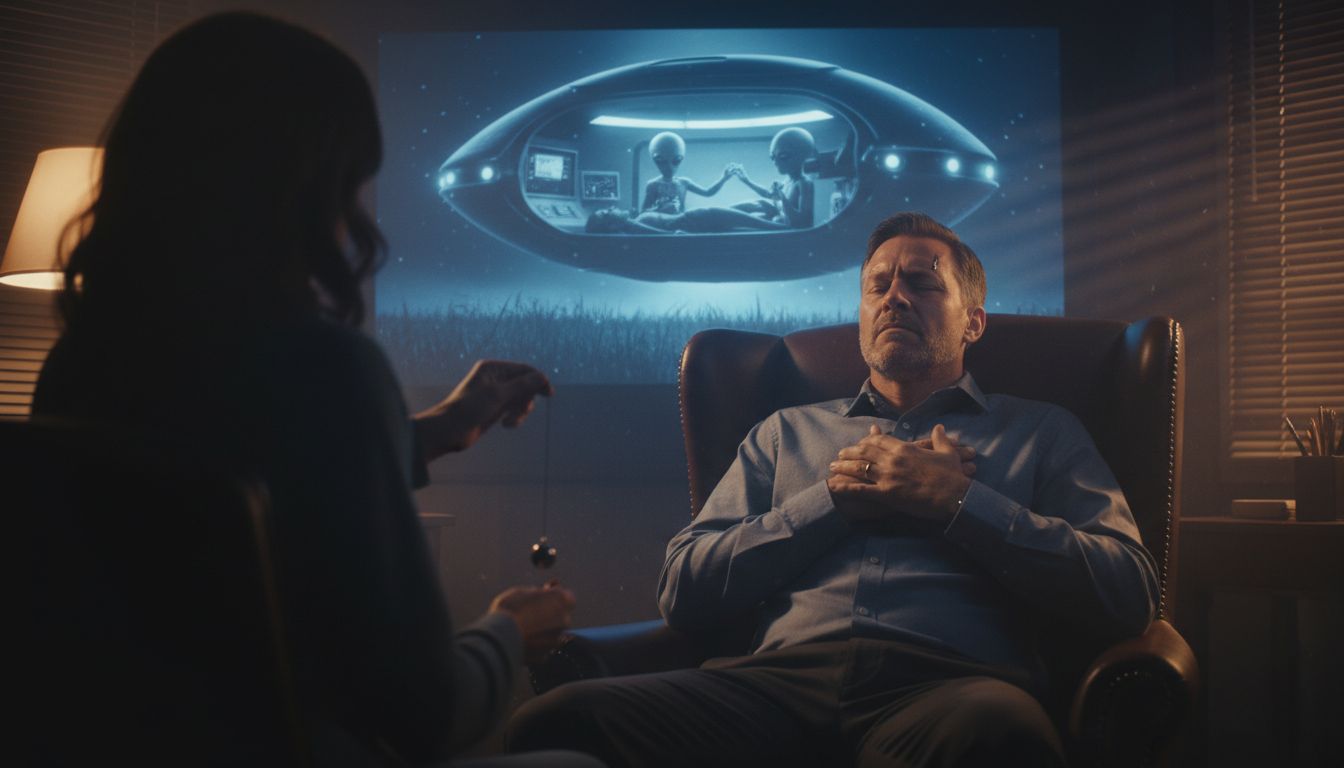
While recuperating, Cullen reported a second, equally intense dream in which he observed a UFO. After a brief hospital stay he was discharged, but he continued to attend regular check‑ups for his cervical injury. Two decades later, a seemingly unrelated incident rekindled the forgotten memories. In 1998, while working with a piece of metal that had lodged in his thumb, Cullen experienced a sudden, vivid recall of the 1978 events. He described the recollection as “a flood of details that had been locked away for twenty years,” noting that the memory return coincided with the discovery of an unusual metallic fragment embedded in his finger.
The fragment, which Cullen described as a “small, silvery, almost disc‑shaped piece,” was later examined by Dr. Roger Leir, a retired oral surgeon who has become known for his work on alleged extraterrestrial implants. Leir’s analysis, conducted under laboratory conditions, concluded that the object was not of known terrestrial origin, citing its composition of an alloy not found in standard medical devices and the presence of microscopic markings that, according to Leir, resembled those reported in other abduction‑related cases. Leir has publicly stated that such implants “appear to be placed deliberately, possibly for monitoring or experimental purposes,” and he has used Cullen’s case as part of a broader effort to document what he calls “the hidden medical history of contact.”
Researchers in the field of anomalous phenomena have placed Cullen’s account within a larger pattern of abduction narratives that involve pre‑abduction dreams, physical injuries, and subsequent retrieval of foreign objects. Dr. John Miller, a psychologist who studies memory under hypnosis, cautions that “the combination of trauma, suggestibility, and retrospective reconstruction can produce highly detailed but potentially confabulated memories.” Nonetheless, Miller acknowledges that “when a physical anomaly such as a metallic implant is verified independently, it adds a layer of complexity that merits careful scientific scrutiny.” The Cullen case, therefore, sits at the intersection of subjective experience and tangible evidence, prompting both skeptics and proponents to call for more rigorous, interdisciplinary investigations.
The broader implications of Cullen’s story extend to ongoing debates about the existence of human‑alien hybrids and the purported purpose of these implants. Some ufologists argue that the devices could be part of a monitoring program, while others speculate they may serve therapeutic or informational functions. Cullen himself has expressed a desire for transparency, stating that “the truth needs to come out” and urging medical professionals to share any findings that could benefit human health. Though the scientific community remains divided, the case continues to attract attention from journalists, researchers, and the public, illustrating how a single personal narrative can fuel a decades‑long discourse on the limits of current knowledge about unidentified aerial phenomena.