Overview
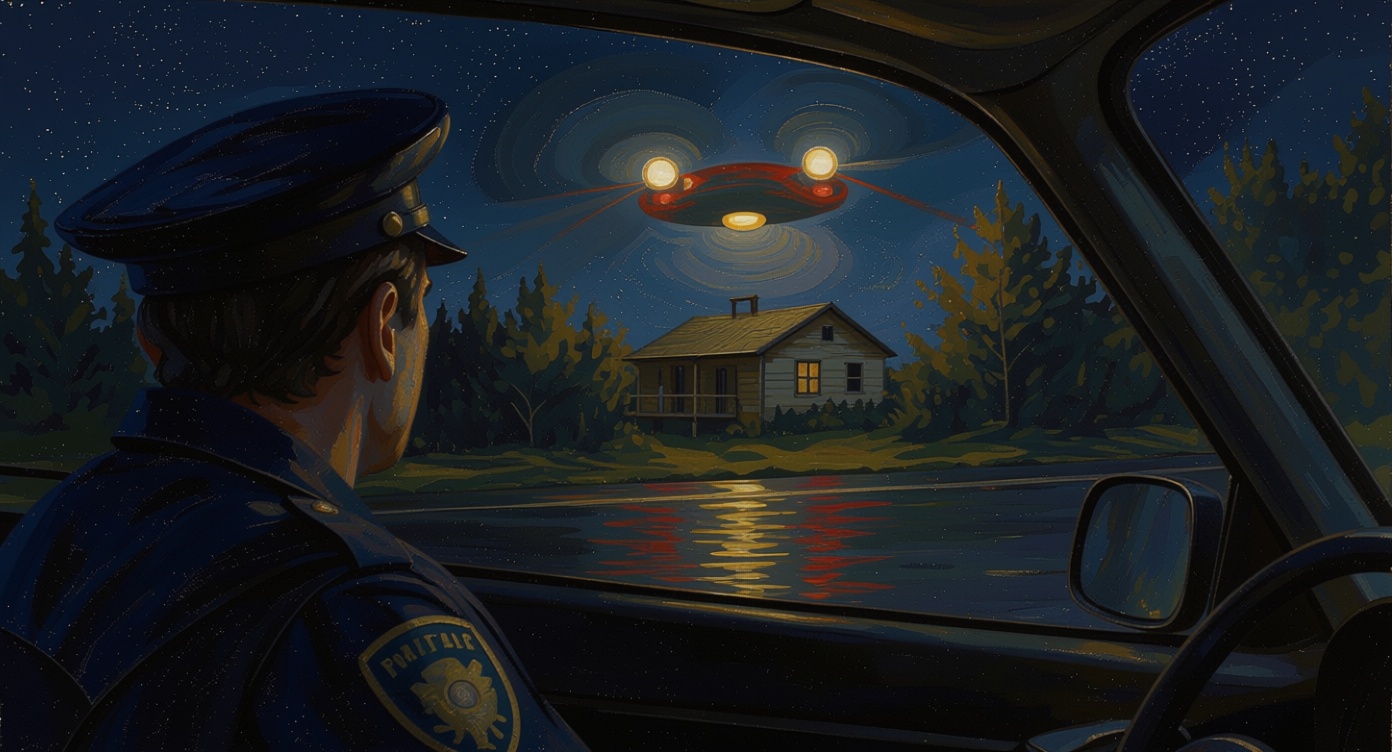
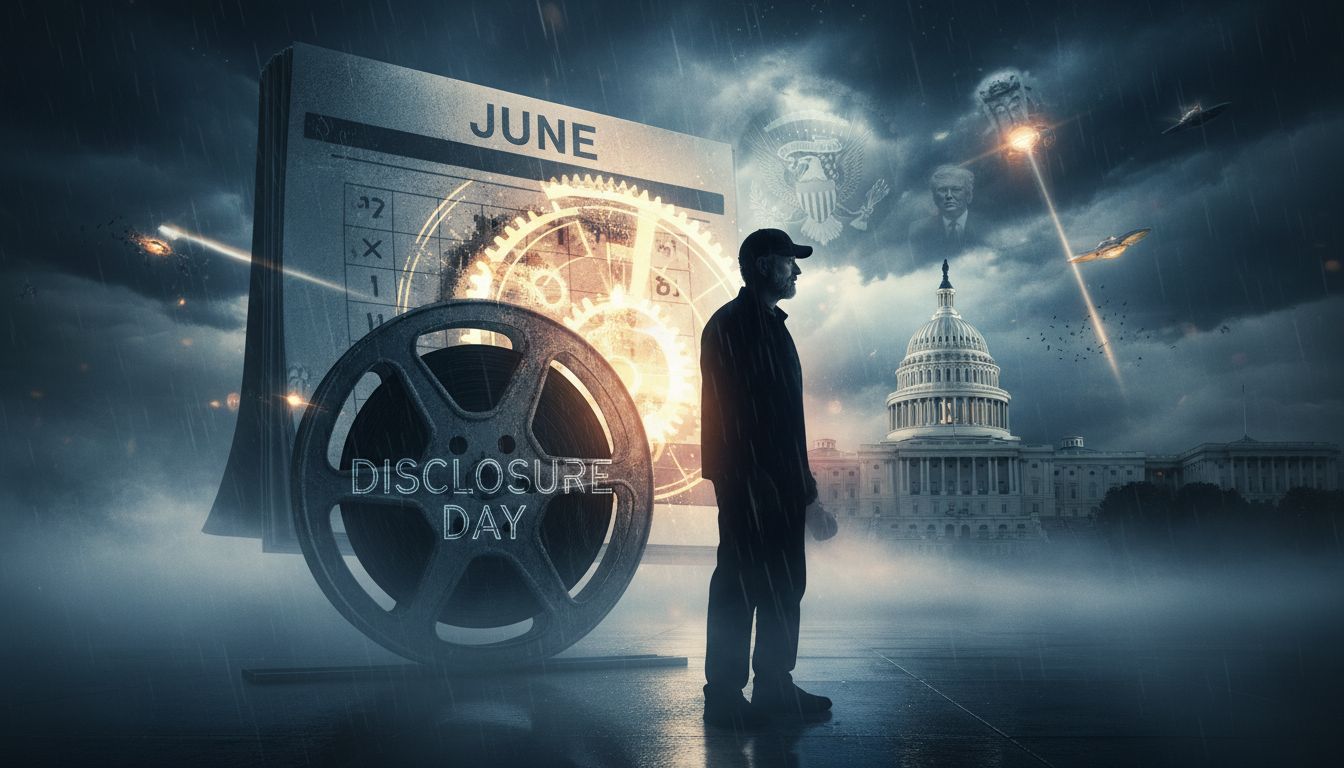
A new Spielberg film titled “Disclosure Day” is slated for release in June, a date that aligns with growing public anticipation for the U.S. government’s response to President Donald Trump’s disclosure directive on unidentified aerial phenomena (UAP). The coincidence has sparked discussion among observers who wonder whether Hollywood is merely reflecting a cultural moment or actively shaping the narrative surrounding extraterrestrial life and government secrecy. While the film’s plot details remain under wraps, its title alone has drawn attention to the broader issue of UAP transparency, a subject that has lingered in the public sphere since the directive’s issuance in late 2025.
Government Disclosure Efforts
In November 2025, President Trump signed an executive order mandating that all relevant federal agencies compile, review, and release records related to UAP incidents dating back to 1947. The order also called for a comprehensive report to be delivered to Congress within 180 days. Despite the clear timeline, Freedom of Information Act (FOIA) requests filed by journalists, researchers, and advocacy groups have yielded only a handful of declassified documents—most of which are heavily redacted and lack substantive new information. Congressional committees, including the Senate Armed Services Committee, have held several closed‑door briefings, but public testimony remains scarce, fueling speculation that critical data may still be withheld for national‑security reasons.
Spielberg’s Film and Industry Context
Steven Spielberg, whose career includes seminal works such as Close Encounters of the Third Kind and E.T. the Extra‑Terrestrial, announced the project earlier this year. In a brief statement, the director described “Disclosure Day” as “a dramatized exploration of what society might look like when the veil over unknown aerial phenomena is finally lifted.” Industry analysts note that Spielberg’s involvement lends the film a level of gravitas that could amplify public interest in the ongoing UAP debate. Film scholar Dr. Maya Patel of UCLA remarked, “When a filmmaker of Spielberg’s stature tackles a topic that mirrors real‑world policy discussions, it inevitably blurs the line between entertainment and public discourse.”
Reactions from Officials and Experts
Former Pentagon UAP task‑force member Lt. Col. (Ret.) James Whitaker cautioned against reading too much into the timing, stating, “The government’s disclosure schedule is driven by intelligence assessments, not Hollywood release calendars.” Conversely, transparency advocate Linda Martinez, director of the Open UAP Coalition, argued that the film could serve a public‑interest function: “Even if the movie is fictional, it forces the conversation into mainstream media, pressuring officials to act on the Trump directive.” Lawmakers such as Senator Karen Hughes (R‑AZ) have publicly reiterated their demand for a full congressional briefing, while Democratic Representative Aaron Delgado (D‑CA) called for an independent review panel, citing the “growing disconnect between official silence and public curiosity.”
Outlook and Implications
As June approaches, the convergence of a high‑profile cinematic release and an unresolved federal disclosure mandate creates a unique moment for both policymakers and the entertainment industry. Observers note that while Spielberg’s film may not directly influence classified decision‑making, it could shape public perception and, by extension, political pressure on Washington to fulfill its obligations. Whether “Disclosure Day” will prompt a surge in newly released documents or simply add a cultural footnote to an ongoing saga remains to be seen. What is clear, however, is that the dialogue surrounding UAPs is no longer confined to classified briefings—it now occupies a broader arena that includes cinema, social media, and the halls of Congress alike.