Overview
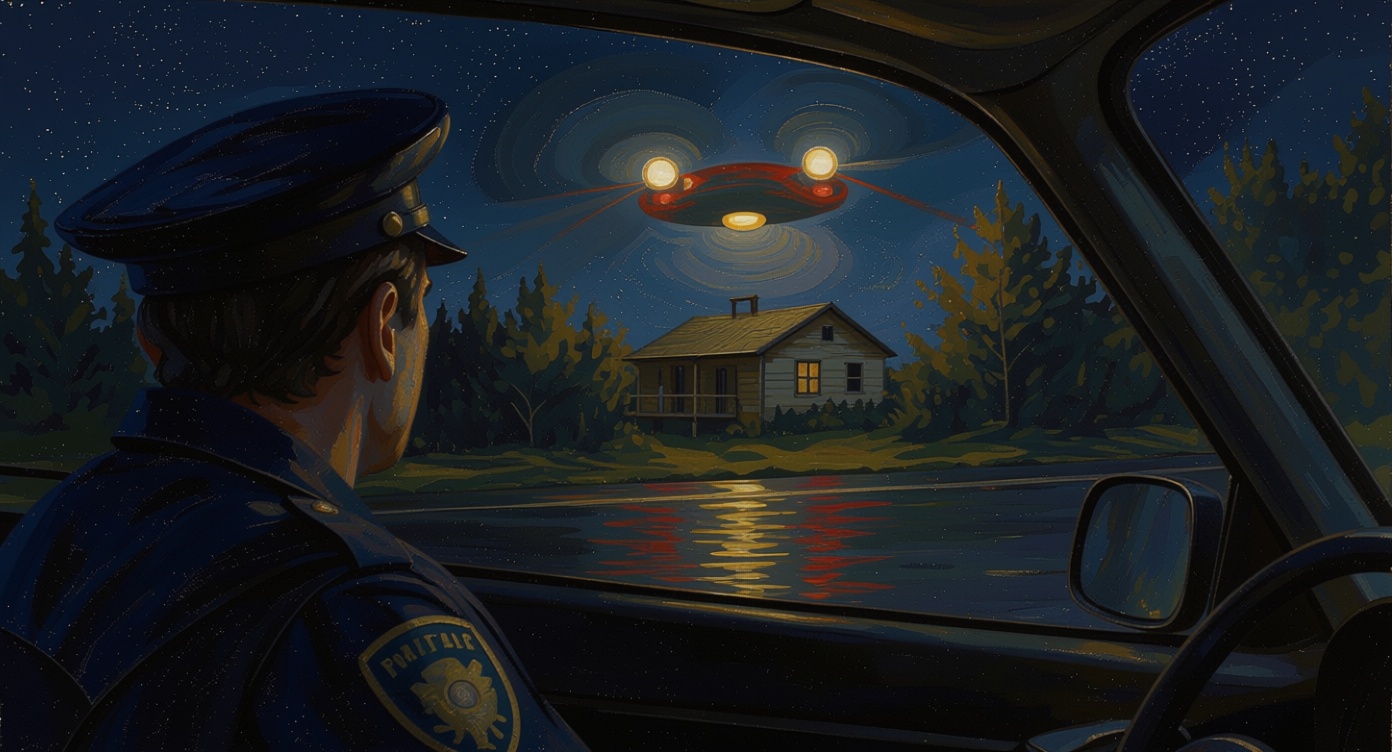
The House Oversight and Accountability Committee announced that it is in the early stages of planning a congressional hearing on unidentified anomalous phenomena (UAP) following a wave of unverified claims that a U.S. intelligence official had identified a crashed alien spacecraft. The prospect of a formal hearing has reignited public interest in the Pentagon’s ongoing investigations into UAPs and raised expectations that additional government disclosures could be forthcoming.
Background
The claims in question stem from a former intelligence official who alleged that the United States had recovered a “crashed alien spacecraft.” The allegation, which has not been corroborated by any official source, was first brought to the attention of Oversight Chairman James Comer (R‑Ky.) during a NewsNation interview on June 5. Comer responded, “I’ve heard about it, I don’t know anything about it… We plan on having a hearing.” A follow‑up statement from the committee’s press office, issued on June 7, reiterated that the investigation is proceeding “in the early stages” and that the hearing will address “recent claims by a whistleblower” as well as other emerging UAP reports.
Committee Action
Republican members Rep. Anna Paulina Luna and Rep. Tim Burchett have confirmed via Twitter that they will co‑lead the committee’s inquiry. Their involvement signals a bipartisan push to obtain more clarity on the Department of Defense’s (DoD) UAP research, which has been reshaped since 2022 under the All‑Domain Anomaly Resolution Office (AARO). The committee’s planned hearing will likely draw on material already released to the public, including two new videos that were shown at a rare Senate hearing on UAPs earlier this year.
Pentagon Response
A Pentagon spokesperson emphasized that the DoD’s AARO “has not discovered any verifiable information to substantiate” the crashed‑craft allegations. The office, which succeeded the former UAP Task Force, continues to compile and analyze sightings but has yet to produce evidence that any observed phenomenon originates from an extraterrestrial source. “To date, AARO has not discovered… verifiable information supporting the claim of a recovered alien vehicle,” the spokesperson said, underscoring the department’s cautious stance amid heightened public scrutiny.
Public Reaction and Outlook
Social‑media platforms, particularly X (formerly Twitter), have seen a surge of commentary from both UFO enthusiasts and skeptical observers. Hashtags such as #UAPHearing and #UFODisclosure have trended, with users expressing hope that a congressional hearing could finally provide “transparent answers.” At the same time, analysts caution that the committee’s inquiry may focus more on procedural transparency—including classification protocols and inter‑agency data sharing—than on confirming the existence of alien technology.
The upcoming hearing, still in the planning phase, is expected to be scheduled later this year. If convened, it could mark the most extensive congressional examination of UAPs to date, potentially shaping future policy on intelligence reporting, aerospace safety, and national security. For now, officials on both sides stress the importance of evidence‑based discussion and warn against drawing conclusions from unverified claims.