Overview
The practice of interviewing witnesses has become a cornerstone of contemporary UFO research, offering a human‑scale perspective that laboratory instruments cannot capture. According to a recent guide published by Alienated Media on September 20, 2025, systematic witness interviews can transform isolated anecdotes into data points that support broader scientific inquiry. The article stresses that a disciplined approach—rooted in rapport‑building, meticulous questioning, and rigorous documentation—helps researchers separate credible observations from embellishment, thereby bolstering the field’s legitimacy.
Why Witness Testimonies Matter
First‑hand accounts provide immediate, subjective detail that physical evidence often lacks. The guide notes that narratives can reveal “nuances of an event that may not be evident through physical evidence alone,” such as lighting conditions, sound, and the emotional state of the observer. A table in the source outlines three core values of testimony: capturing real‑time experiences, offering contextual insight, and conveying emotional resonance. Collectively, these elements allow analysts to identify patterns across sightings, prompting interdisciplinary collaboration among astronomers, psychologists, and sociologists. Moreover, the public visibility of credible testimonies can influence policy discussions and encourage governmental funding for UFO studies.
Preparing for the Interview
Effective preparation begins with a clear set of questions that address both the objective facts and the personal impact of the sighting. Researchers are advised to ask about the time, location, weather, and any visible landmarks before delving into descriptive details of the object’s shape, motion, and luminosity. Equally important are inquiries into the witness’s emotional response—fear, awe, or curiosity—as these reactions often shape memory recall. The guide cautions against leading questions, recommending instead open‑ended prompts that let the witness narrate the event in their own words, thereby preserving the authenticity of the account.
Building Rapport and Conducting the Interview
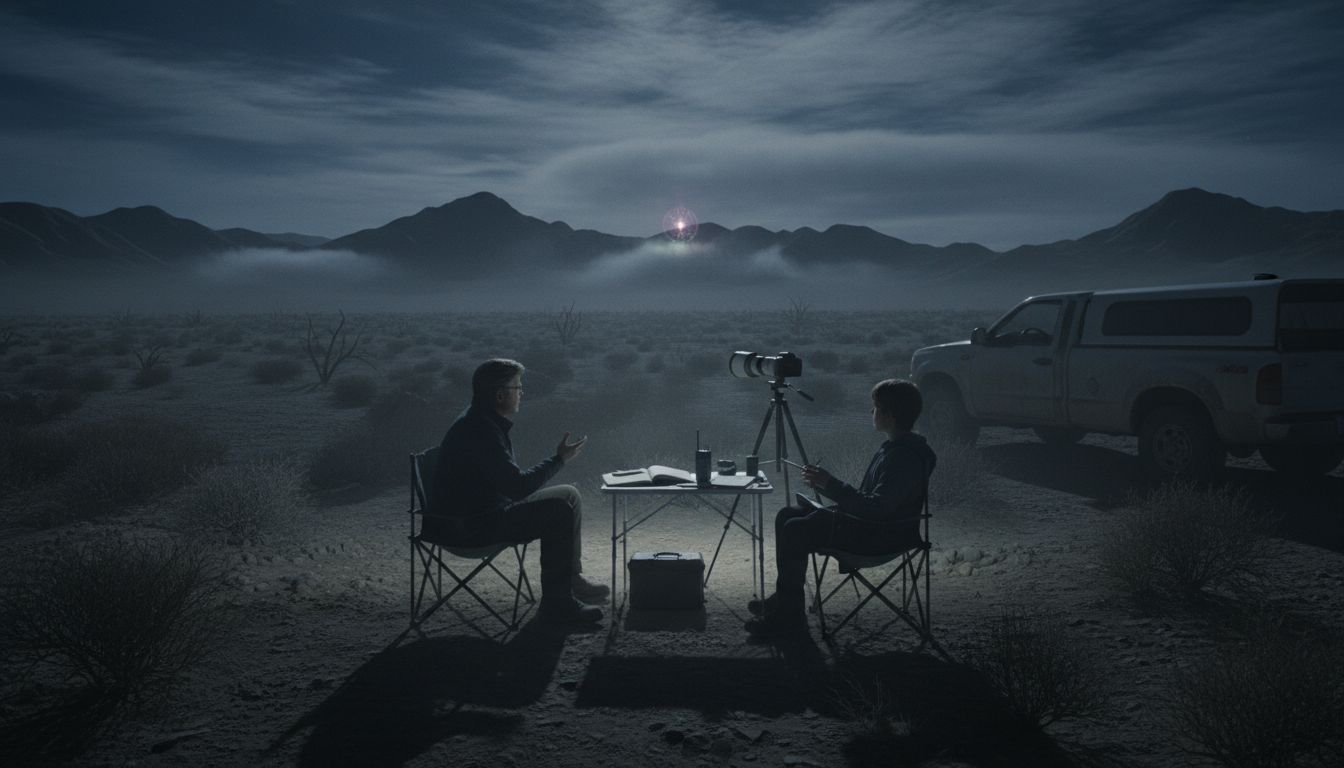
Establishing trust is essential for eliciting candid, thorough testimonies. Techniques highlighted in the source include active listening, maintaining neutral body language, and validating the witness’s feelings without judgment. Interviewers are encouraged to mirror the witness’s language subtly, which can foster a sense of partnership. “When a witness feels heard, they are more likely to provide granular details that might otherwise be omitted,” the article explains. Recording the conversation—whether audio, video, or written notes—ensures an accurate record for later analysis and cross‑referencing with other reports.
Analyzing, Documenting, and Cross‑Referencing
After the interview, researchers must systematically document the account, noting timestamps, environmental conditions, and any corroborating evidence such as photographs or radar data. The guide recommends using a standardized template to facilitate cross‑referencing across multiple cases, helping to identify recurring characteristics like flight patterns or light signatures. By aggregating these structured reports, analysts can apply statistical methods to assess the credibility of sightings and flag anomalies for further investigation. Ultimately, the disciplined methodology outlined by Alienated Media aims to elevate UFO witness testimony from anecdotal curiosity to a rigorous component of scientific research.