Overview
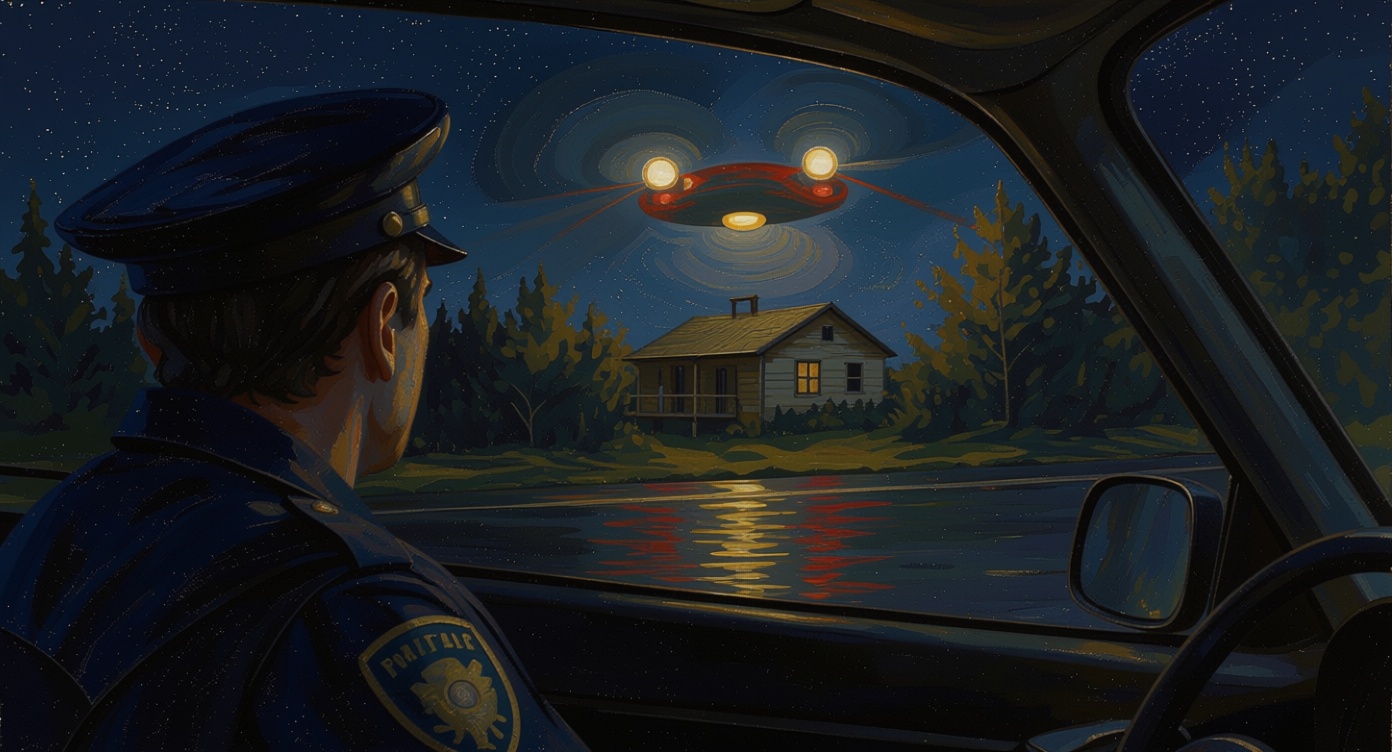
A practical guide titled “How to Prepare for a UFO Sighting in Your Area” was published by the niche outlet Alienated Media on May 26, 2025. The article, which quickly spread across UFO‑focused Twitter accounts after being shared on December 30, offers step‑by‑step advice for civilians who might find themselves under an unidentified aerial phenomenon (UAP). Its emergence coincides with a measurable uptick in public reports and renewed governmental attention to UAPs, prompting both hobbyists and skeptics to seek clearer protocols for observation and safety.
Context and Rising Interest
UFO sightings have long occupied a fringe space between folklore and scientific inquiry, but recent years have seen a shift toward more formal scrutiny. The National UFO Reporting Center (NUFORC) records roughly 4,500 sightings annually in the United States, a figure that has remained steady despite fluctuations in public attention. Notable spikes occurred in 2020, when the Pentagon released its first official UAP report, and again in 2021‑2022 as civilian reporting platforms expanded. The Alienated Media guide references these trends, noting that “advancements in technology and a renewed interest from government agencies have led to more rigorous investigations into these phenomena.”
Key Recommendations from the Guide
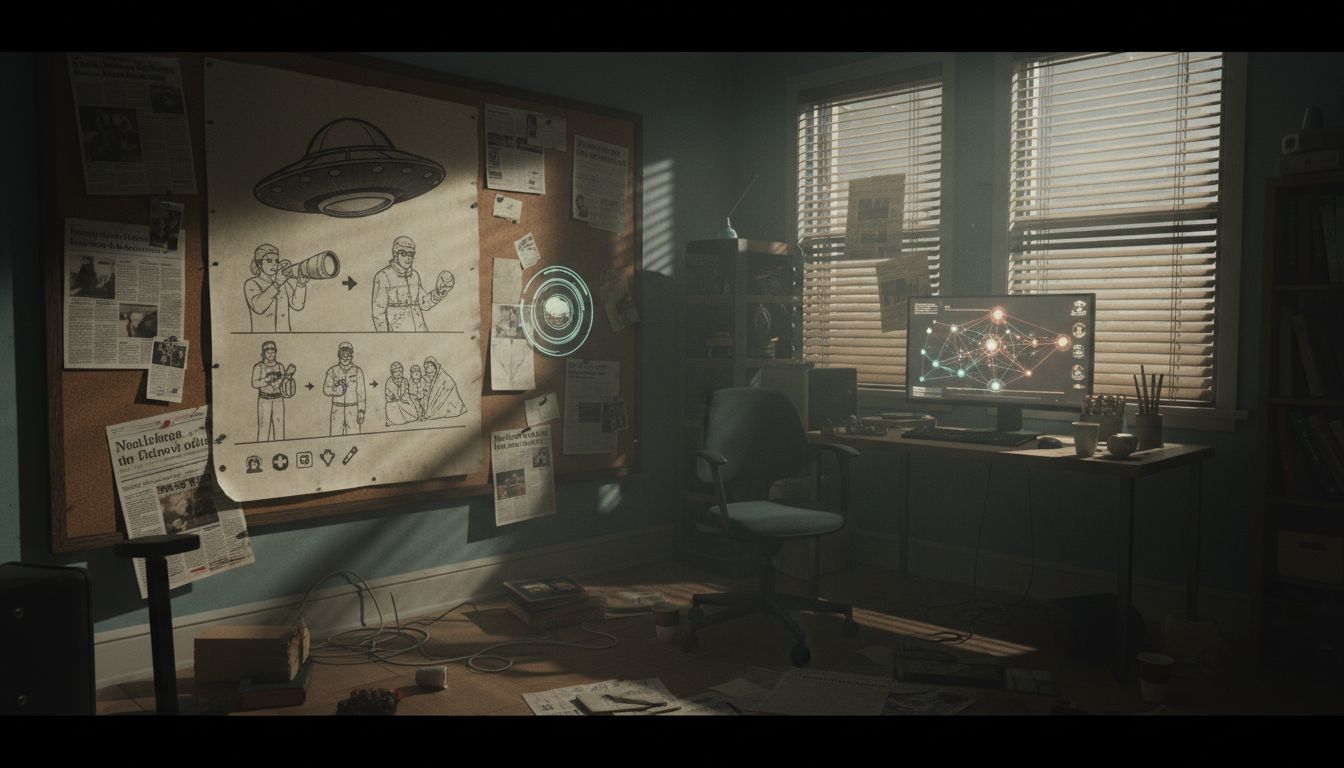
The article is organized into four actionable sections. First, it stresses the importance of understanding basic terminology—clarifying that “UFO” simply denotes an object that cannot be immediately identified, not necessarily an extraterrestrial craft. Second, it outlines essential equipment: a fully charged camera or smartphone, a sturdy tripod for low‑light stability, and high‑quality binoculars. The guide also suggests leveraging stargazing apps to cross‑check known satellites or aircraft. Third, it provides documentation best practices, urging observers to record timestamps, GPS coordinates, and environmental conditions, then submit reports to established databases such as NUFORC. Finally, the safety portion advises staying calm, avoiding direct contact, and keeping a safe distance, echoing the sentiment that “if you find yourself in an area where sightings have been reported, it pays to be prepared.”
Reception and Credibility
While the guide’s tone is pragmatic rather than sensational, its distribution on platforms like “UFO Twitter” has sparked mixed reactions. Amateur investigators have praised the checklist for its clarity, whereas some academic commentators caution that anecdotal evidence still dominates the field. Dr. Elena Morales, a senior researcher at the Center for Atmospheric Studies, remarked, “Practical advice on recording observations is valuable, but it must be paired with rigorous analysis to avoid conflating ordinary phenomena with extraordinary claims.” The guide itself acknowledges that most sightings are later attributed to natural or man‑made sources, reinforcing a balanced perspective.
Looking Ahead
The publication reflects a broader cultural moment in which ordinary citizens are increasingly equipped to act as “citizen scientists” for UAP phenomena. As governmental bodies continue to declassify data and allocate resources for systematic study, resources like Alienated Media’s guide may serve as informal bridges between the public and the scientific community. Whether these efforts will translate into more definitive explanations remains uncertain, but the guide underscores a growing consensus: preparation, documentation, and calm response are the most reliable tools for anyone who might witness an unidentified object in the night sky.