Overview
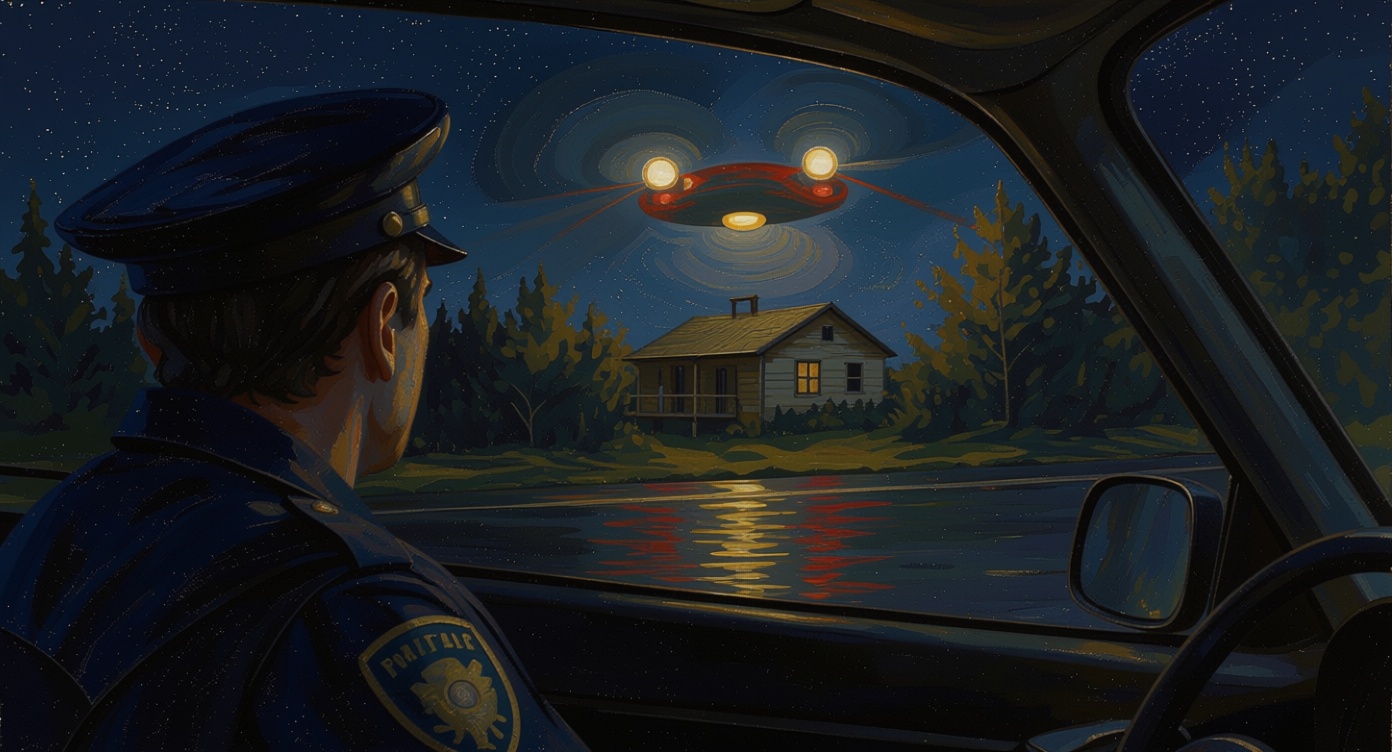
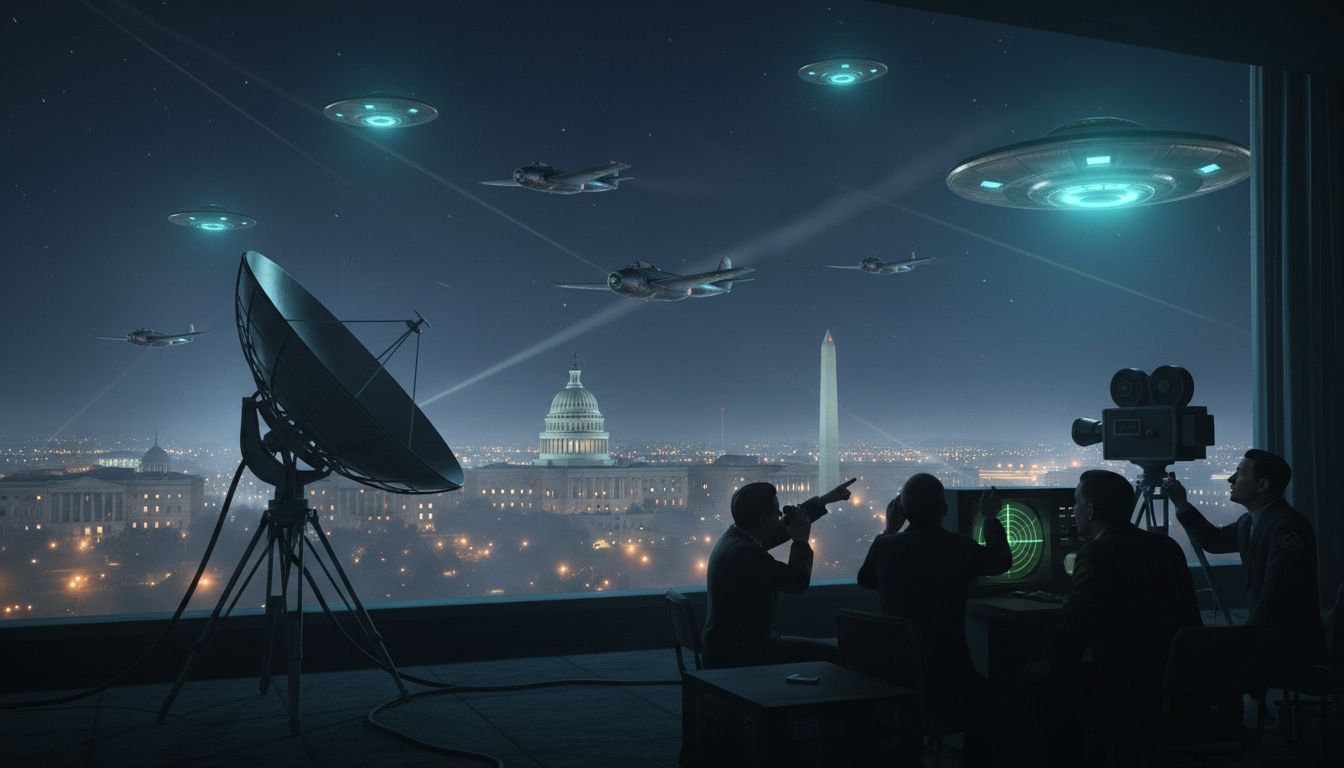
In the early hours of July 26, 1952, two F‑94 interceptors from the 142nd Fighter Interceptor Squadron lifted off from New Castle Air Force Base in Delaware to investigate a series of unidentified radar contacts over Washington, DC. Pilots Lt. William L. Patterson and Capt. John McHugo were vectored toward the White House and Pentagon after controllers at Washington National Airport and Andrews Air Force Base reported “unknown objects” repeatedly entering restricted airspace. The encounter, which lasted several minutes, ended without visual confirmation of a conventional aircraft and has remained unexplained in official records.
Incident Details
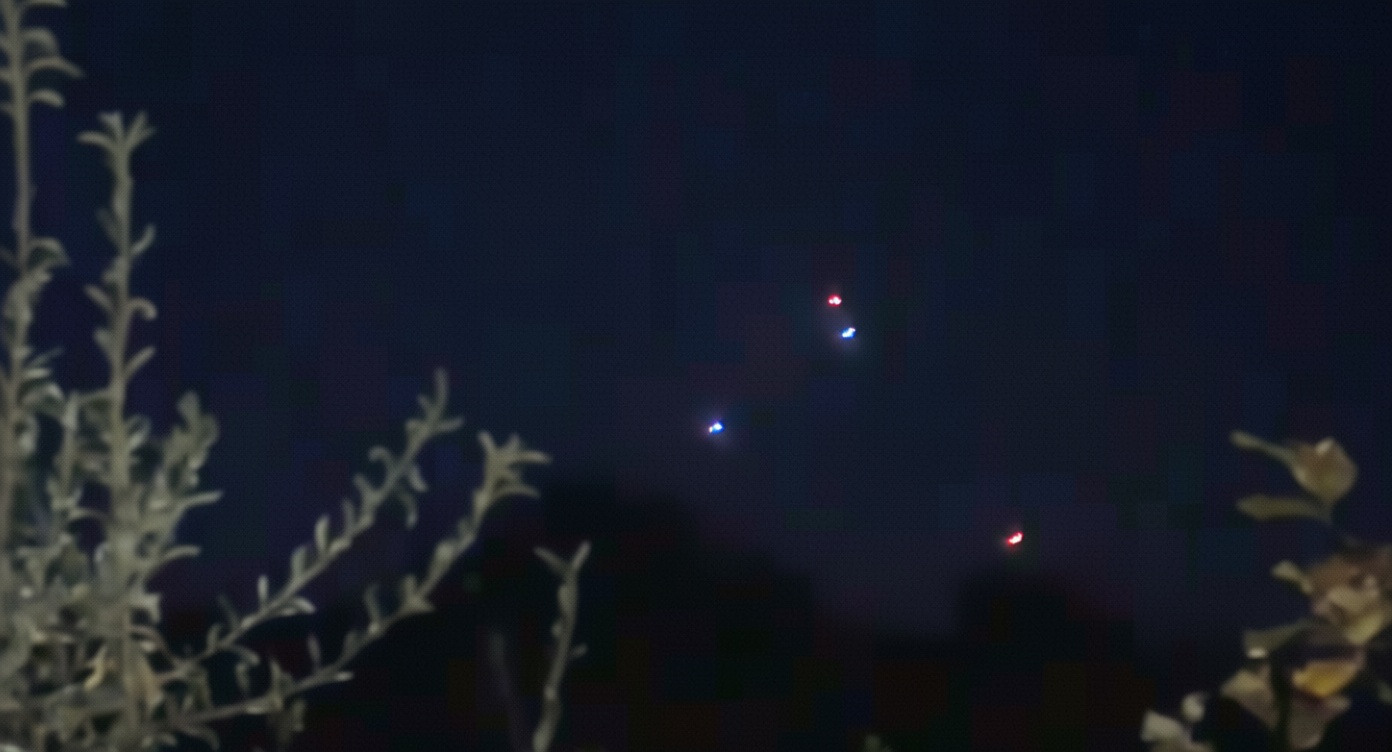
At approximately 02:30 a.m., Patterson’s F‑94 climbed to 20,000 feet and was directed toward a cluster of radar blips near Andrews. He described seeing four bright lights about ten miles ahead, hovering in a formation that did not behave like typical navigation or strobe lights. “They waited, then moved in a way that no aircraft I’ve ever flown could replicate,” Patterson reported in a debrief later released to researchers.
When Patterson accelerated to near 600 mph, the radar signatures responded instantly, executing rapid reversals, 90‑degree turns, and abrupt accelerations that defied the performance envelope of the era’s jet fighters. The objects broke formation and converged on the interceptor, disappearing from radar just as the pilots attempted to close the distance. Similar behavior had been recorded a week earlier, when commercial pilots and radar operators reported “unfamiliar objects” maneuvering over the capital in ways that “no known aircraft could.”
Cold‑War Context
The 1952 sightings occurred against a backdrop of heightened Cold‑War tension. The United States was in the midst of the Korean War, the Red Scare was fueling public anxiety, and the threat of Soviet bombers over the Atlantic was a constant concern for air defense units. 1952 also set a record for UFO reports nationwide, according to a declassified Air Force study, amplifying fears that the unidentified contacts might represent a hostile technology. Yet, official investigations at the time classified the events as “unidentified” without attributing them to any known foreign aircraft or atmospheric phenomenon.
Modern Resonance
Fast‑forward to 2025, and the pattern of unexplained aerial encounters appears to be re‑emerging. Americans for Safe Aerospace, a nonprofit that provides confidential reporting channels for pilots, notes a significant uptick in UAP (Unidentified Aerial Phenomena) sightings within U.S. airspace over the past three years. The organization’s director, Dr. Elena Ruiz, told CNN, “The volume and quality of pilot reports today are unprecedented. While many can be explained, a persistent subset mirrors the inexplicable maneuvers documented in 1952.”
The renewed interest has prompted the Department of Defense to revisit historical archives. A recent unclassified release confirms that the 1952 DC incidents were never fully resolved, and that the original radar data and pilot statements remain part of the UAP Task Force archives for ongoing analysis.
Ongoing Investigation and Outlook
Historians and aerospace experts caution against sensationalism, emphasizing the need for rigorous data examination. Dr. Michael H. Stern, a professor of aerospace history at the University of Maryland, notes, “The 1952 events are a reminder that our detection systems have long captured anomalies. Whether these represent experimental technology, sensor artifacts, or something else, they warrant systematic study.”
The Air Force’s current UAP Investigation Office plans to cross‑reference the 1952 radar logs with modern sensor data to identify any recurring signatures. Until conclusive evidence emerges, the 1952 Washington, DC UFO flap remains a historical mystery that continues to shape contemporary discourse on aerial security and the limits of our understanding of the skies.