Overview
A new documentary titled “The Age of Disclosure” premiered this week, bringing fresh testimony from former U.S. service members about unidentified aerial phenomena (UAP) observed and allegedly recovered at Vandenberg Space Force Base in California. The film, directed by independent filmmakers Maya Patel and Carlos Ortega, features three whistleblowers who claim participation in a classified “crash‑retrieval” program that operated under the auspices of the Department of Defense (DoD). Their accounts add to a growing body of public disclosures that began with the Pentagon’s 2020 UAP Task Force report and the 2022 establishment of the All‑Domain Anomaly Resolution Office (AARO).
New Revelations
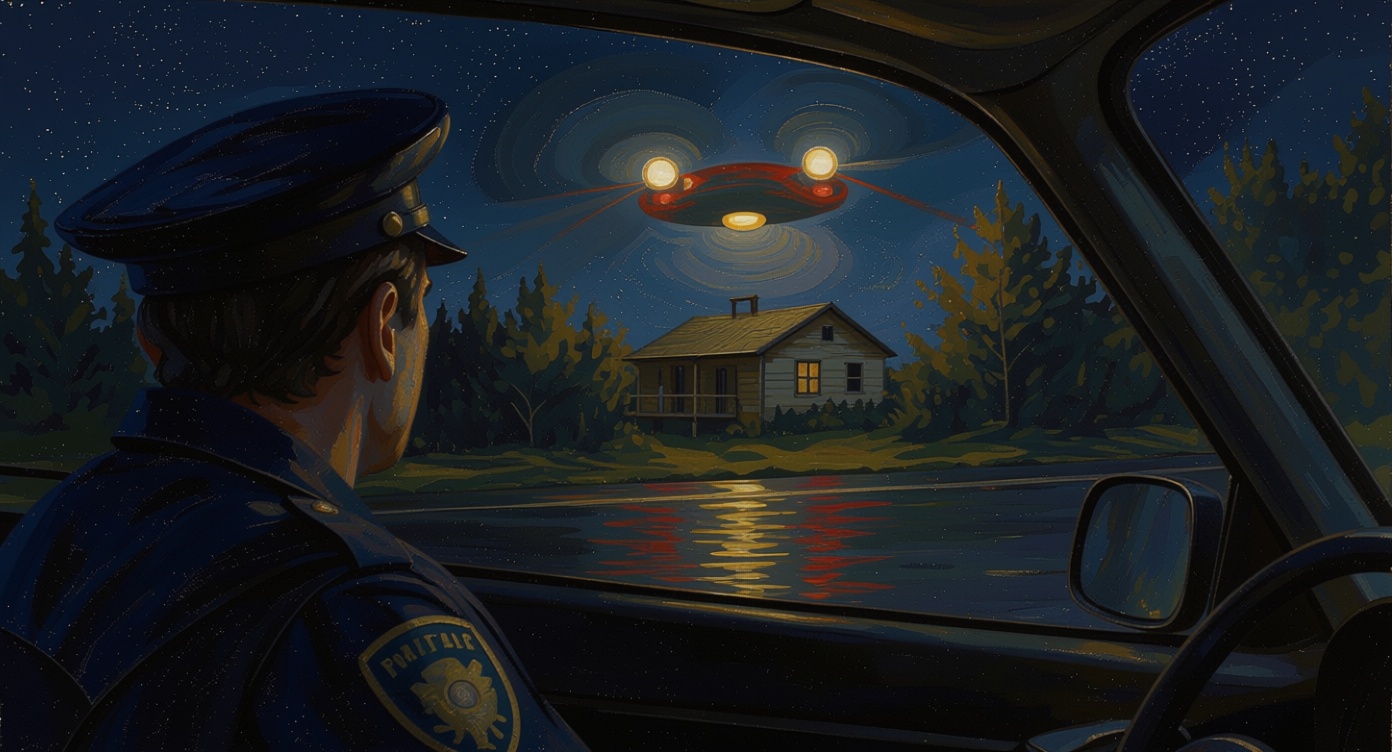
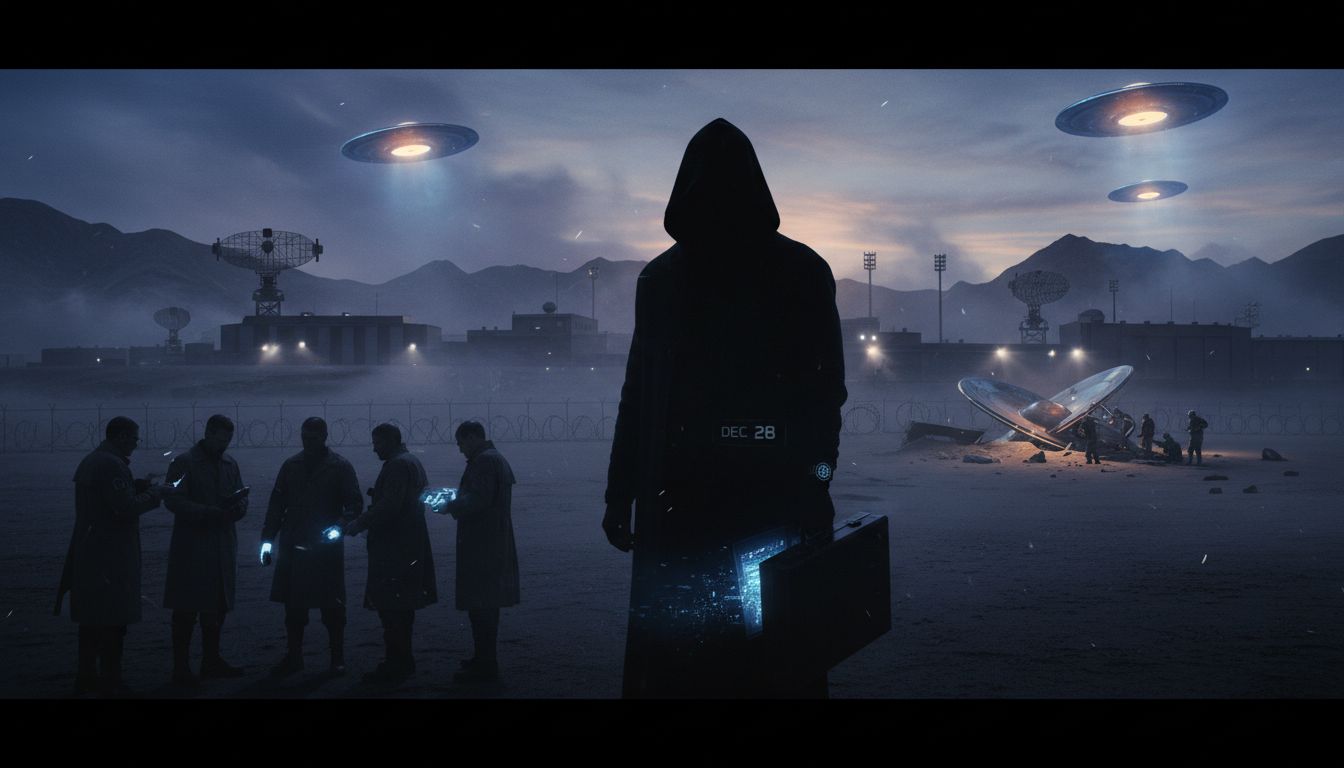
The documentary’s primary sources—identified only as “Lt. Col. James Hart,” “Chief Petty Officer Mia Lopez,” and “Former Air Force Engineer David Kwan”—describe a series of incidents between 2015 and 2022 in which unidentified objects were detected by radar and visual observers over the Pacific Ocean, subsequently crashing within the restricted airspace surrounding Vandenberg. According to the interviewees, a “Special Access Program” (SAP) was activated to secure the debris, transport it to an underground facility on base, and conduct reverse‑engineering efforts.
“We were told it was a national security priority, not an extraterrestrial mystery,” Hart said in a recorded interview. “The protocols were strict: no photos, no external communication, and a non‑disclosure agreement that lasted for life.”
Lopez added that the retrieved material exhibited “unusual metallurgical properties” and “flight characteristics that defied conventional aerodynamics,” while Kwan recounted a “controlled‑flight test” that lasted only seconds before the craft autonomously disengaged. The film also includes declassified footage from a 2021 radar sweep showing anomalous returns that match the timing of the alleged crashes.
Official Response
The Department of Defense has not formally commented on the documentary’s specific claims. In a brief statement released on December 27, a spokesperson for the Office of the Secretary of Defense reiterated the agency’s ongoing commitment to “transparency within the bounds of national security” and directed inquiries to the AARO, which continues to evaluate UAP sightings across all domains. Congressional oversight committees, including the Senate Armed Services Committee, have scheduled a hearing on “UAP Retrieval Operations” for early 2026, citing the documentary as part of the public record prompting renewed legislative scrutiny.
Historical Context
Vandenberg has long been a focal point for aerospace testing, from early missile launches during the Cold War to current commercial satellite deployments. The base’s remote location and extensive range facilities have made it a logical site for experimental aircraft and, according to the documentary, for handling unexplained aerial incidents. Prior reports—such as the 2021 New York Times investigation into the “Advanced Aerospace Threat Identification Program” (AATIP)—have hinted at similar retrieval activities, but details remained vague. “The Age of Disclosure” is the first public work to compile multiple first‑hand accounts specifically tied to Vandenberg, linking them to the broader pattern of DoD‑run UAP investigations.
Implications and Next Steps
If the whistleblowers’ testimonies prove credible, they could reshape the policy discourse surrounding UAPs, moving the conversation from speculative curiosity to concrete oversight of classified programs. Experts from the scientific community, including aerospace engineer Dr. Lena Patel of the University of California, caution that “extraordinary claims demand extraordinary evidence,” urging independent verification of any physical artifacts. Meanwhile, advocacy groups such as the Citizens’ UAP Transparency Initiative have called for a legislative mandate requiring the DoD to disclose all UAP‑related research findings to Congress and, where possible, the public.
The documentary’s release underscores a pivotal moment in the evolving narrative of UAPs: a convergence of insider testimony, governmental acknowledgment, and growing public demand for accountability. As the Senate prepares to convene its hearing, the eyes of both policymakers and the broader scientific community will be on Vandenberg, awaiting answers that could finally illuminate the “age of disclosure.”