Overview
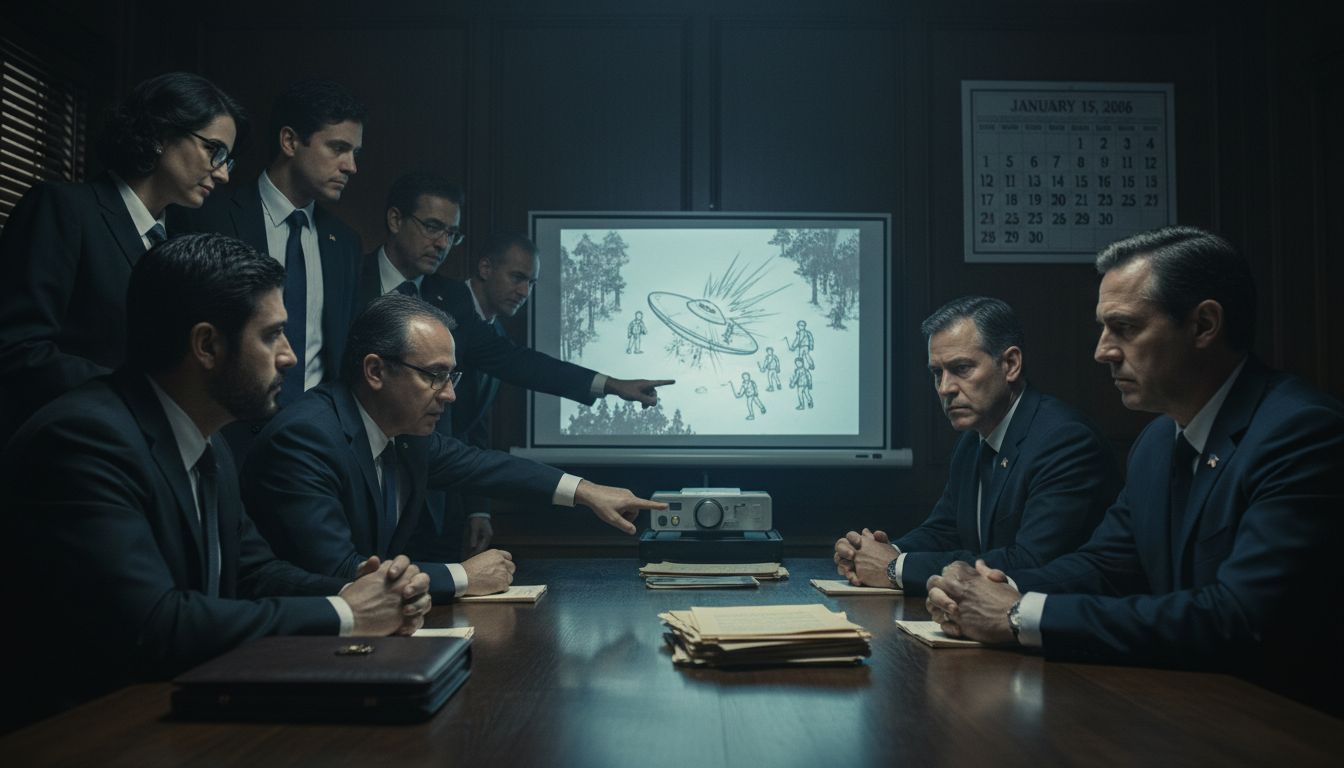
On Jan. 15, 2026, a closed‑door briefing in Rep. Tim Burchett’s office on Capitol Hill brought together three U.S. members of Congress and a small delegation of Brazilian witnesses who claim to have observed the 1996 Varginha crash and subsequent encounter with nonhuman entities. The meeting, organized by documentary filmmaker James Fox, was the first time the Brazilian witnesses— a neurosurgeon, a forensic pathologist and a geography teacher—were brought to Washington to speak directly to legislators about the incident, which turned 30 on Jan. 13, 2026. The briefing, followed by a public press conference at the National Press Club on Jan. 20, has revived calls for greater UAP (Unidentified Anomalous Phenomena) transparency and for coordinated U.S.–Brazilian investigations into one of the most documented UFO cases on record.
Key Details of the Varginha Incident
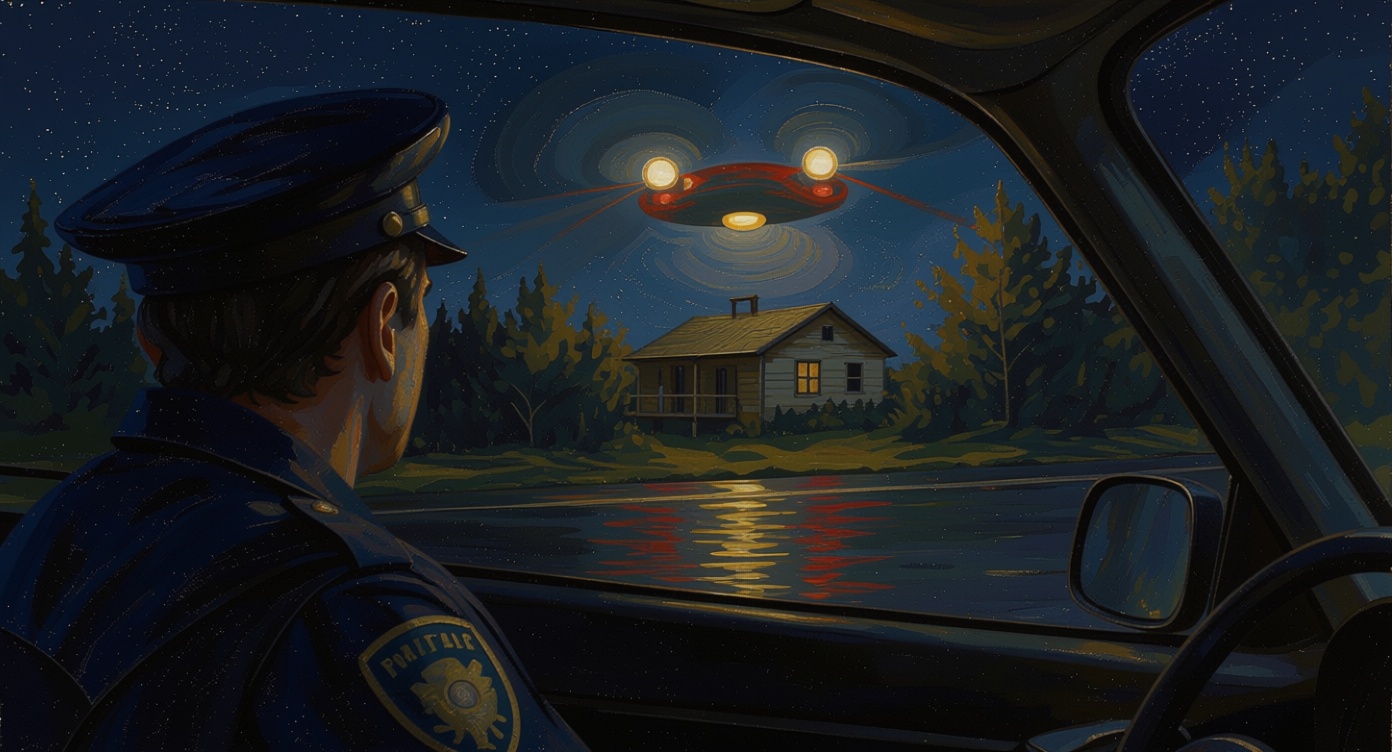
According to the witnesses, on Jan. 13, 1996 a cylindrical craft with a trailing smoke plume crashed in the rural outskirts of Varginha, Minas Gerais. A week later, three teenage girls reported seeing a “cowering creature” with reddish eyes and oily brown skin, which they described as communicating distress through its gaze. Within days, Brazilian military trucks swarmed the town, and rumors spread that two nonhuman beings had been captured, one of which was allegedly hospitalized. Over the years, the case attracted international attention, prompting speculation about a covert U.S. operation that may have extracted the entities from Brazil. Fox’s new documentary, an expansion of his 2022 film Moment of Contact, includes interviews with more than two dozen witnesses, and he now claims to have identified individuals who possess video footage of the alleged beings.
Congressional Hearing and Legislative Push
During the Jan. 15 session, the Brazilian neurosurgeon recounted “staring back at the large lilac‑colored eyes of a highly intelligent, nonhuman being,” a description that prompted the three congressional participants—who are members of the House Committee on Oversight and Reform’s subcommittee on UAP—to request a formal review of all foreign‑origin UAP reports. Representative Tim Burchett, who hosted the meeting, said, “If credible witnesses from another nation are willing to come forward, our own agencies must examine the evidence without prejudice.” The discussion emphasized the need for a standardized reporting protocol that would allow allied governments to share data, a point echoed by the witnesses who stressed the importance of preserving any remaining physical evidence.
AARO’s Position and Pentagon Response
The Department of Defense’s All‑Domain Anomaly Resolution Office (AARO) released a 2024 assessment stating that none of its investigations—including those involving foreign partners—had concluded that any UAP reports indicated an extraterrestrial origin. Nevertheless, Fox recalled a 2024 meeting with AARO staff in which director Dr. Jon T. Kosloski was asked whether the agency planned to inform the public about the nature of the phenomena. Kosloski’s brief reply—“I can’t comment on ongoing investigations”—was noted by Fox as indicative of the agency’s limited leeway to disclose findings. A Pentagon spokesperson, Susan Gough, declined to comment on the Jan. 15 briefing, leaving the official stance on the Varginha case ambiguous.
International Cooperation and Future Outlook
The Brazilian delegation’s presence in Washington underscores a growing willingness among allied nations to collaborate on UAP research. Brazil’s Ministry of Defense has previously expressed interest in sharing its 1996 data with U.S. counterparts, and the meeting may pave the way for a formal bilateral task force to evaluate the Varginha evidence alongside other historic cases. Analysts caution, however, that without declassified material—particularly the purported video recordings—any joint investigation will remain speculative. As Fox concluded at the press conference, “This could settle the debate once and for all that we’re not alone,” but he also acknowledged the challenges of obtaining and authenticating the evidence. The congressional hearing may prompt the House Intelligence Committee to request a comprehensive briefing from AARO, potentially leading to legislative measures that require the Defense Department to release all relevant UAP data to oversight bodies and, where appropriate, to allied foreign governments.
Significance for UAP Transparency
The Varginha meeting marks a landmark moment in the evolving discourse on unidentified aerial phenomena, moving the conversation from fringe speculation to formal diplomatic and legislative channels. By bringing credible Brazilian witnesses before U.S. lawmakers, the event highlights both the depth of the Varginha case and the broader demand for systematic, science‑based inquiry into anomalous sightings. Whether this will result in concrete policy changes or the release of new evidence remains to be seen, but the episode signals a shift toward greater openness and international collaboration in the search for answers to one of the most enduring UFO mysteries.