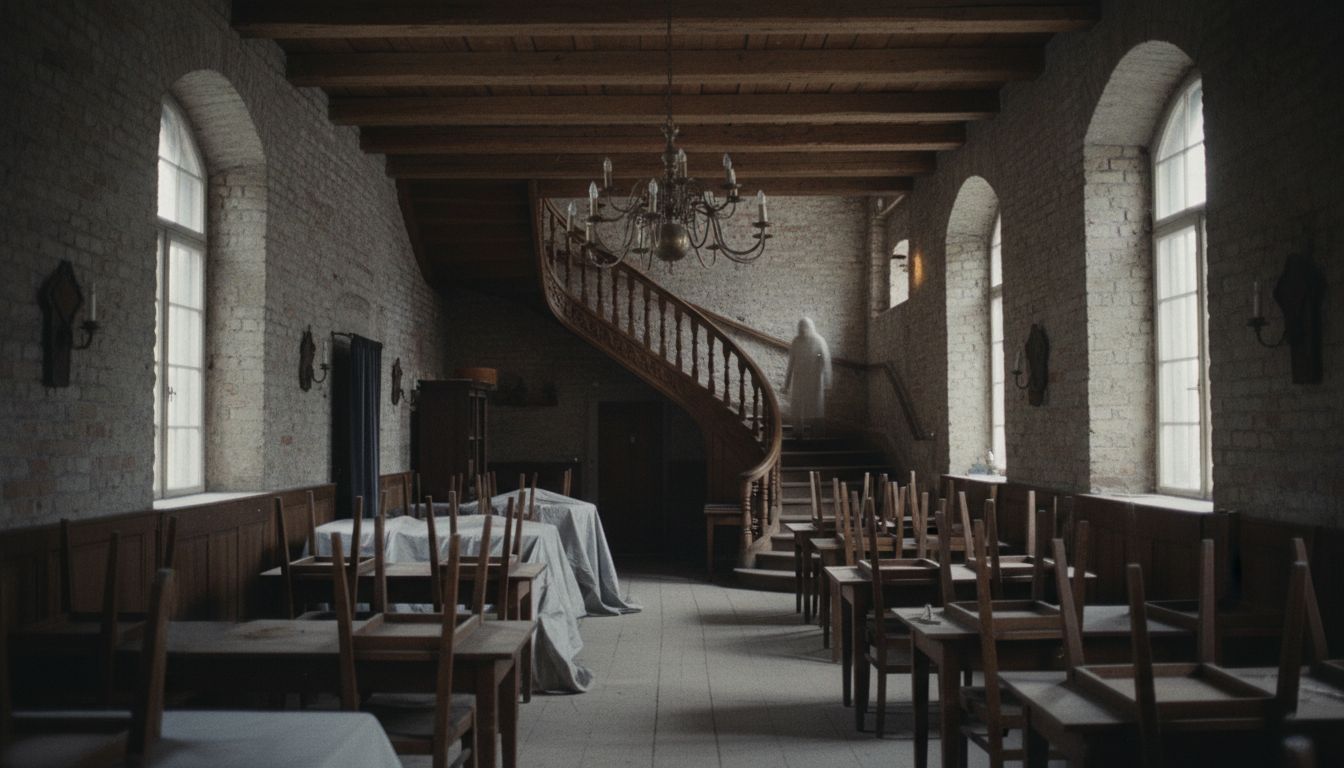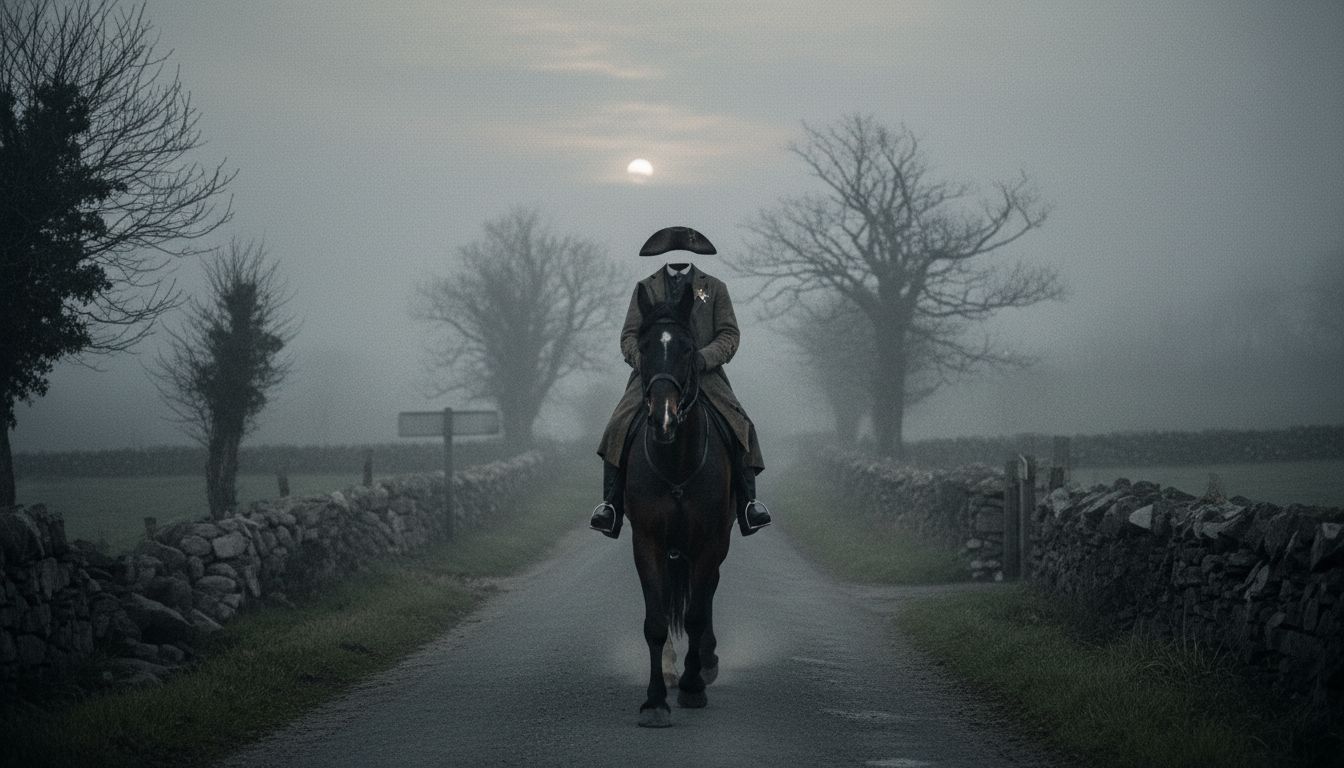
Overview
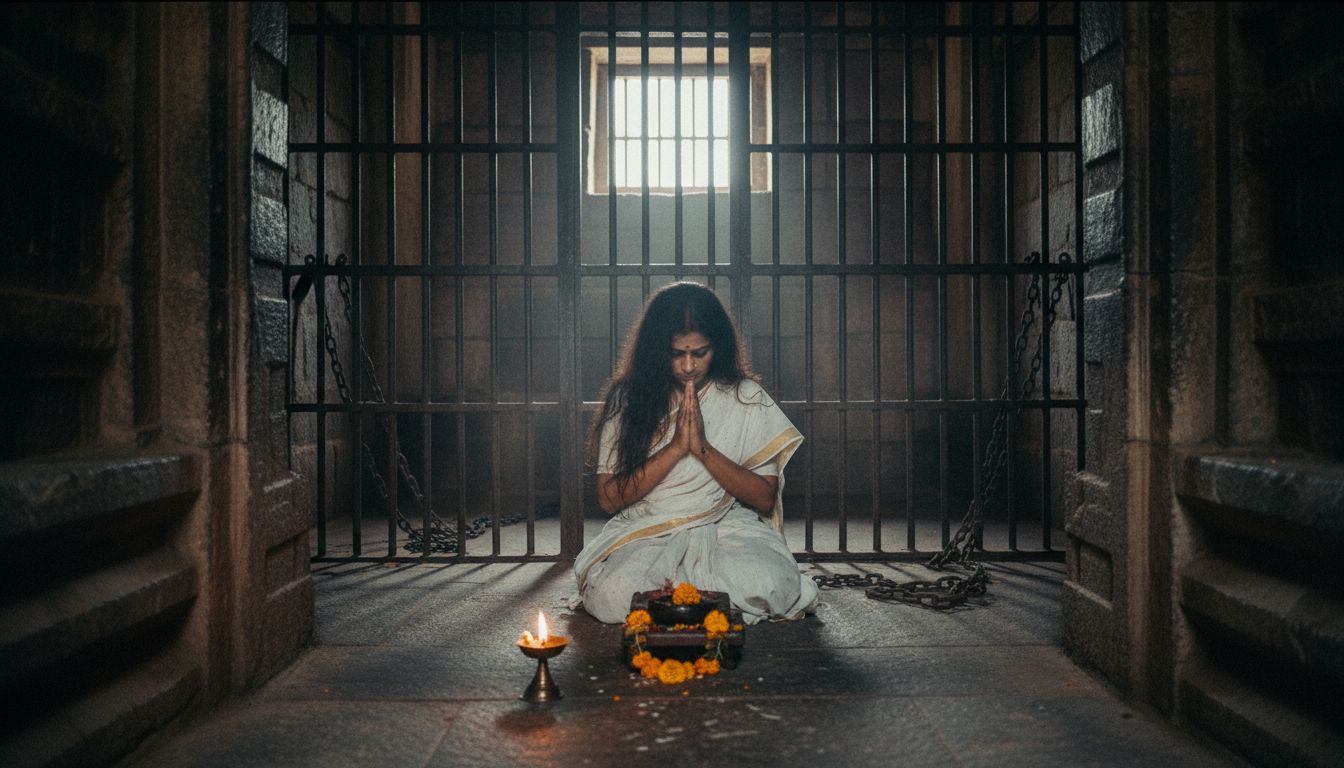
In Kerala, Sri Padmanabhaswamy Temple is widely known for its immense wealth, sealed chambers, and the layers of ritual and legend that surround them. Among the stories tied to the temple, one of the most enduring is the belief that Kanjirottu Yakshi—a feared, vampiric spirit from local folklore—is sealed inside Vault B and continues to pray there to atone for her sins. While the claim belongs to the realm of legend rather than verified history, it remains part of the powerful oral tradition that shapes public attitudes toward the temple’s sacred spaces.
The story persists in part because the temple’s vaults already carry an aura of secrecy and reverence. Vault B, in particular, is said to be left unopened out of fear and respect, with locals reportedly wary of provoking the wrath associated with the spirit believed to dwell there. Such beliefs reflect not only religious devotion but also the enduring influence of myth in Kerala’s cultural memory, where stories are passed down across generations and often treated with deep seriousness.
The Legend of Kanjirottu Yakshi
According to the tale, Kanjirottu Yakshi—also known by names such as Mangalathu Sreedevi or Chiruthevi—was once a beautiful courtesan born into a Padamangalam family and raised in Kanjiracode, in what is now Tamil Nadu. The legend places her in the 18th century, where she is said to have been involved with powerful men and to have used her charm to manipulate and ruin them financially. Her story, as told in folklore, is one of beauty, desire, betrayal, and vengeance.
The account also centers on her relationship with Kunjuraman, a servant and palanquin bearer, and on the tensions involving her brother Govindan and his wife. In the legend, Kanjirottu Yakshi’s anger toward her brother’s wife leads to a plot of violence, which is ultimately foiled when Kunjuraman learns of it. He later kills her, and after her death she is transformed into a yakshi—specifically, a malignant spirit associated with thirst for blood and revenge. In some versions of the tale, she is reborn and then associated with penance, prayer, and confinement, adding a redemptive dimension to an otherwise dark narrative.
Why the Story Endures
Yakshis occupy a significant place in South Asian mythology, appearing across Hindu, Buddhist, and Jain traditions as nature spirits with both benign and dangerous forms. In folklore, malign yakshinis are often depicted as unpredictable, sometimes ghostlike figures tied to tragedy, murder, or moral transgression. Kanjirottu Yakshi is among the most famous of these figures, precisely because her story blends supernatural fear with human drama and moral consequence.
Her association with Sri Padmanabhaswamy Temple gives the legend an added layer of potency. The temple is already one of India’s most revered religious sites, and the idea that a powerful spirit may be sealed in one of its vaults reinforces a longstanding reluctance to treat the chambers as ordinary storerooms. Whether viewed as mythology, devotional narrative, or cultural metaphor, the story of Kanjirottu Yakshi reflects how sacred spaces can become repositories for both history and haunting imagination.
Cultural Meaning and Public Fear
What makes the tale especially enduring is not evidence of a spirit, but the way it has become woven into the temple’s identity. Fear of disturbing what is sealed is a recurring theme in Indian temple lore, and the reluctance to open Vault B has helped preserve the story’s mystery. For believers, the legend serves as a warning about power, karma, and the consequences of human cruelty. For observers, it offers a vivid example of how folklore continues to shape modern attitudes toward heritage and religion.
In that sense, Kanjirottu Yakshi is more than a ghost story. She is a symbol of how oral tradition, sacred geography, and moral storytelling intersect in Kerala’s religious landscape—keeping an ancient legend alive, even as the vault at the center of it remains closed.