Overview
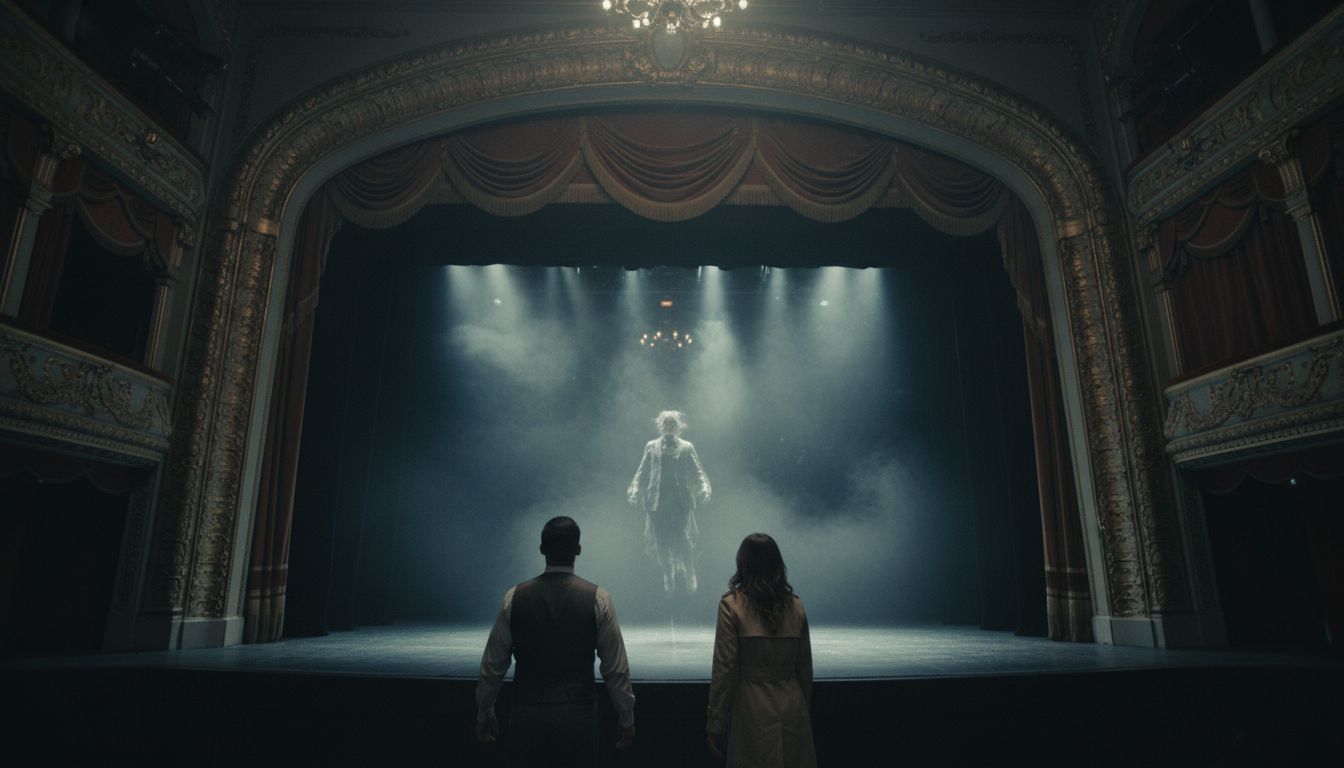
The tragedy that unfolded at Chicago’s Iroquois Theater in December 1903 remains one of the deadliest single‑venue disasters in U.S. history, with approximately 600 victims recorded by contemporary newspapers. After the fire, the site was cleared and, in 1926, the Oriental Theater opened on the same block at 24 W. Randolph Street. Today, the venue operates as the Nederlander Theatre, a popular stop for touring Broadway productions. Over the decades, staff and patrons have reported unexplained sounds, temperature drops, and fleeting shadows on the stage—phenomena that local folklore attributes to the lingering spirit of the 1903 blaze.
Historical Background
The Iroquois Theater was billed as “fire‑proof” and boasted a capacity of more than 1,700 seats. On the night of December 30, 1903, a performance of the comedy‑musical Mr. Bluebeard was underway when a spark from stage lighting ignited a muslin backdrop. The resulting blaze spread rapidly; exit doors were locked or unlabeled, and the theater’s fire‑safety mechanisms failed to operate. Eyewitness accounts describe panicked crowds trapped on narrow stairways, leading to trampling, crushing, and asphyxiation. The official death toll, recorded at 602, prompted sweeping reforms in U.S. building codes, including mandatory outward‑opening exit doors and the prohibition of “dead‑bolt” locks on public assembly venues.
The Rebuilt Oriental (Now Nederlander) and Current Claims
When the Oriental Theater opened in 1926, its owners emphasized modern safety standards, positioning the new house as a symbol of renewal. Yet, the memory of the Iroquois fire persists among longtime Chicago residents. In recent years, several theatre employees have described odd occurrences:
- Stagehand Maria Alvarez reports, “Sometimes the lights flicker right before a rehearsal, and I hear a faint rustling that sounds like curtains being drawn, even when the stage is empty.”
- Technical director James Lee notes temperature anomalies, “During late‑night sound checks the backstage area can drop several degrees in seconds, and we’ve found footprints that appear on the polished wood floor without any explanation.”
These anecdotes are catalogued by local paranormal groups, which label the venue as one of Chicago’s most haunted sites. The theater’s management, while acknowledging the stories, stresses that all reported incidents have been investigated and found to have conventional explanations—faulty wiring, drafts, or the building’s aging infrastructure.
Investigations and Expert Opinions
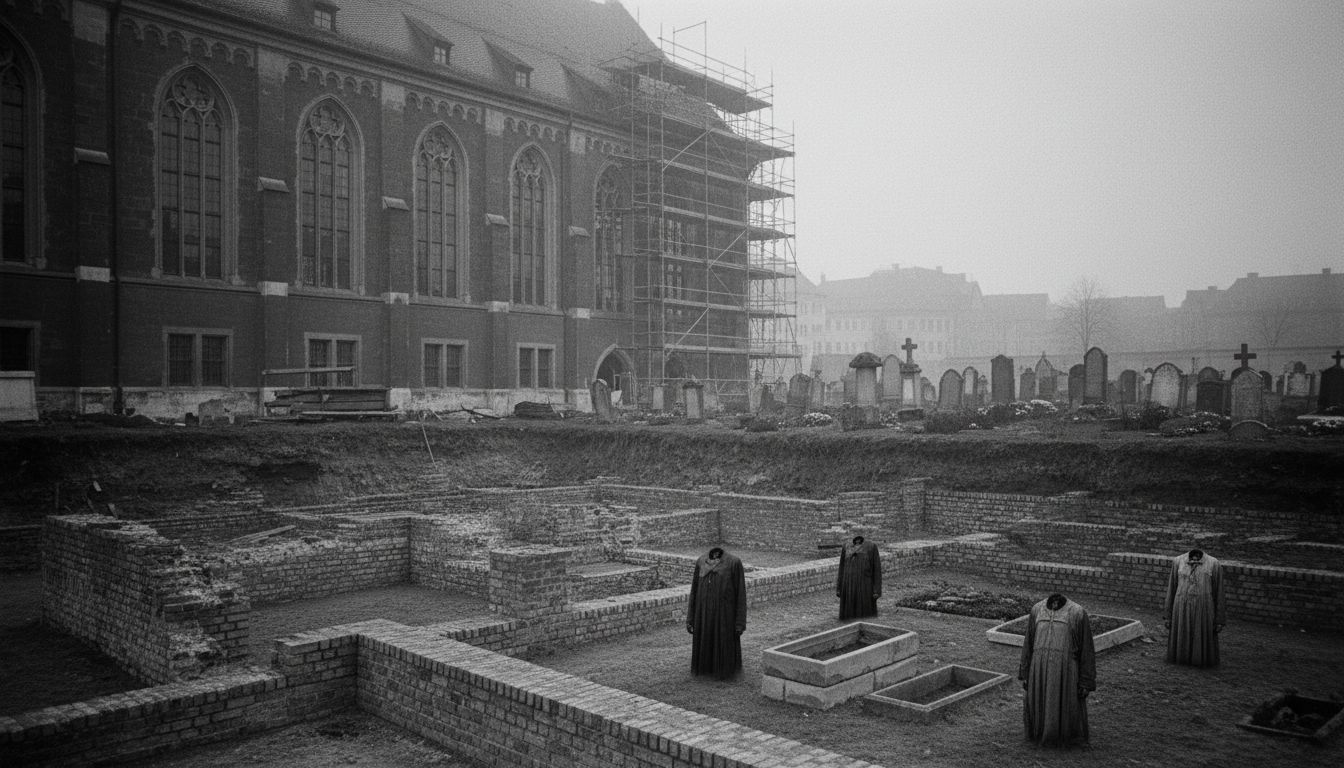
Chicago’s Department of Buildings has conducted routine safety inspections of the Nederlander, confirming that current fire‑suppression systems meet state and city codes. Dr. Elena Ramirez, a professor of architectural history at the University of Illinois, explains that “the physical remnants of the 1903 fire—charred foundations, altered floor plans—are part of the building’s fabric, but they do not constitute a supernatural presence.”
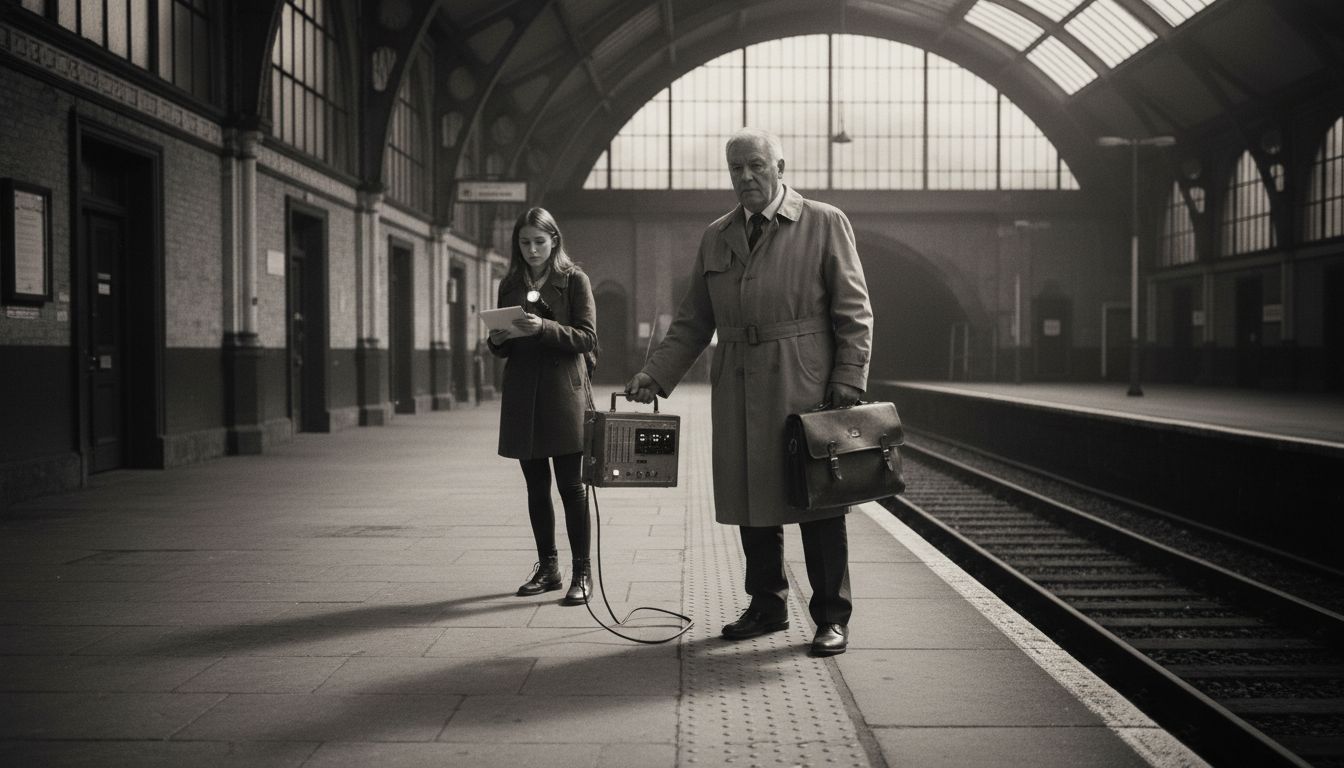
Paranormal researcher Thomas Greer of the Midwest Investigative Society, who has performed a night‑time survey at the theater, recorded several unexplained electromagnetic spikes. He cautions, however, that “such readings can be caused by old wiring, metal fixtures, or even the presence of large crowds; they are not definitive proof of hauntings.” The consensus among scholars and safety officials is that the stories, while culturally significant, remain anecdotal.
Cultural Impact
The legend of the “ghost of the Iroquois fire” has woven itself into Chicago’s broader narrative of resilience and remembrance. Annual commemorations of the disaster are held at the theater’s lobby, featuring plaques that honor the victims. The haunting folklore also fuels tourism; guided “ghost tours” attract visitors seeking a glimpse of the theater’s eerie past.
While the Nederlander Theatre continues to host acclaimed productions, the dual identity of the building—as a modern performance space and as a memorial to a historic tragedy—highlights the city’s ongoing dialogue between progress and memory. Whether the reported phenomena are the result of lingering grief, architectural quirks, or genuine mystery, they serve as a reminder that the echoes of 1903 still reverberate on the stage of Chicago’s beloved theater district.