Overview
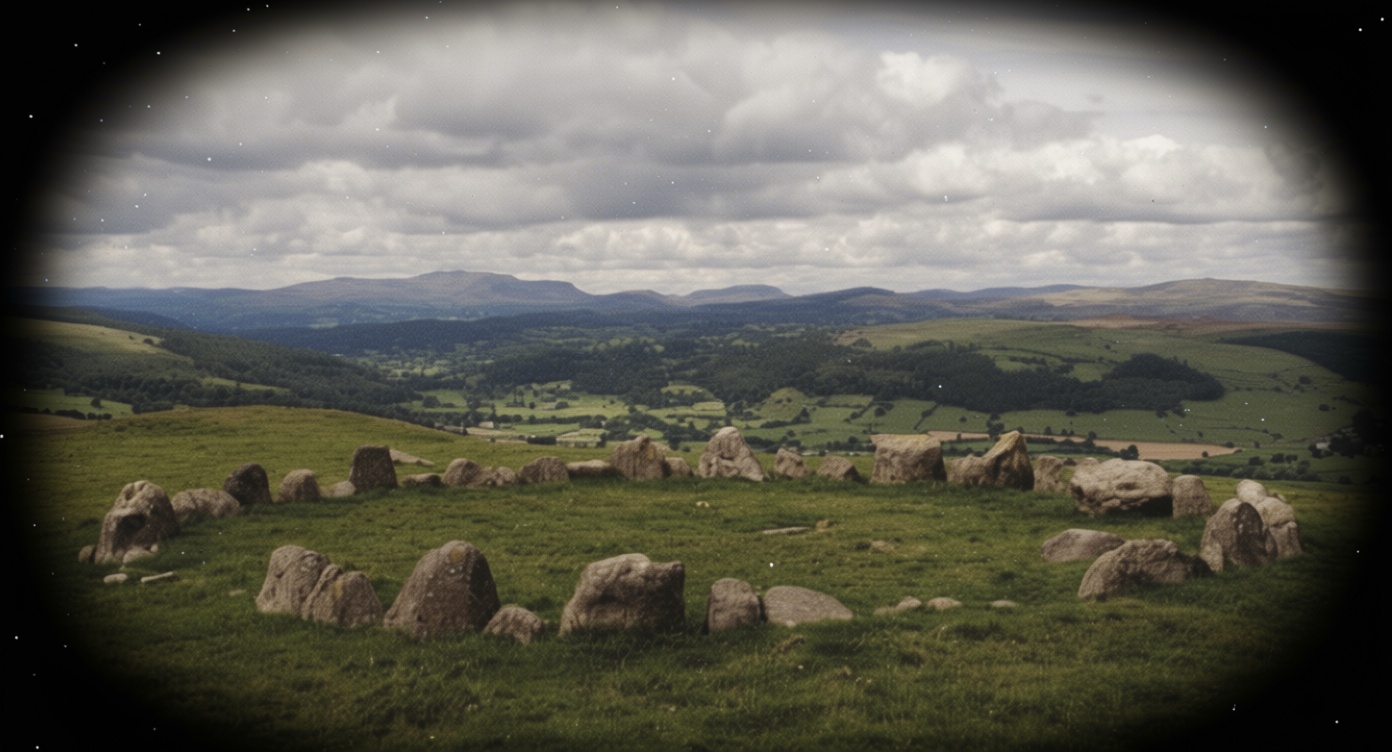
A new video released by broadcast‑television filmmaker Simon Holland has reignited interest in a series of reports involving “mantis‑like” entities—often referred to as Mantis Cryptoids—near the United Kingdom’s former United States Air Force (USAF) installations at Bentwaters and Woodbridge. The footage, posted on the VibeWire Magazine website on 12 January 2026, combines archival material from Suffolk’s long‑standing UFO hotspot with fresh testimony from current British defense personnel. Holland frames the sightings within a broader narrative of unexplained aerial phenomena that have been linked to the area since the infamous 1980 Rendlesham Forest incident.
New Sightings
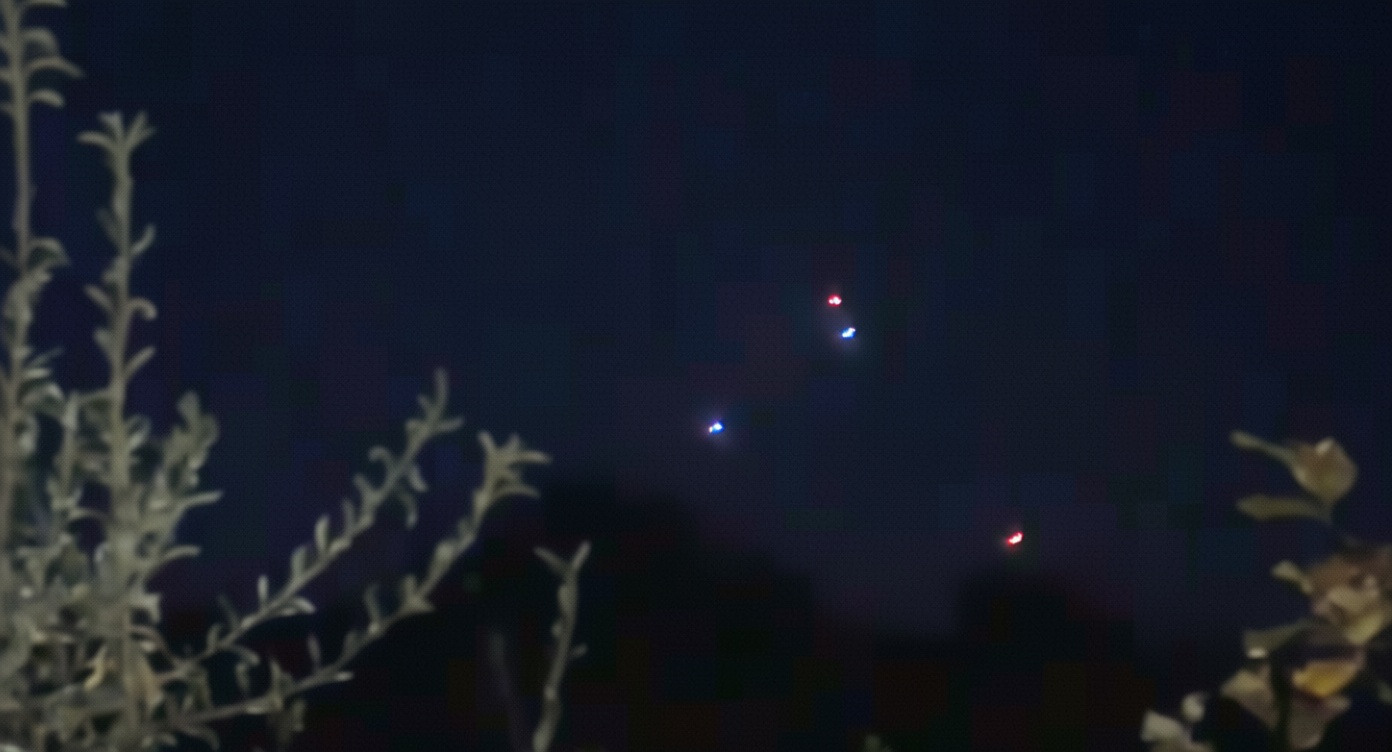
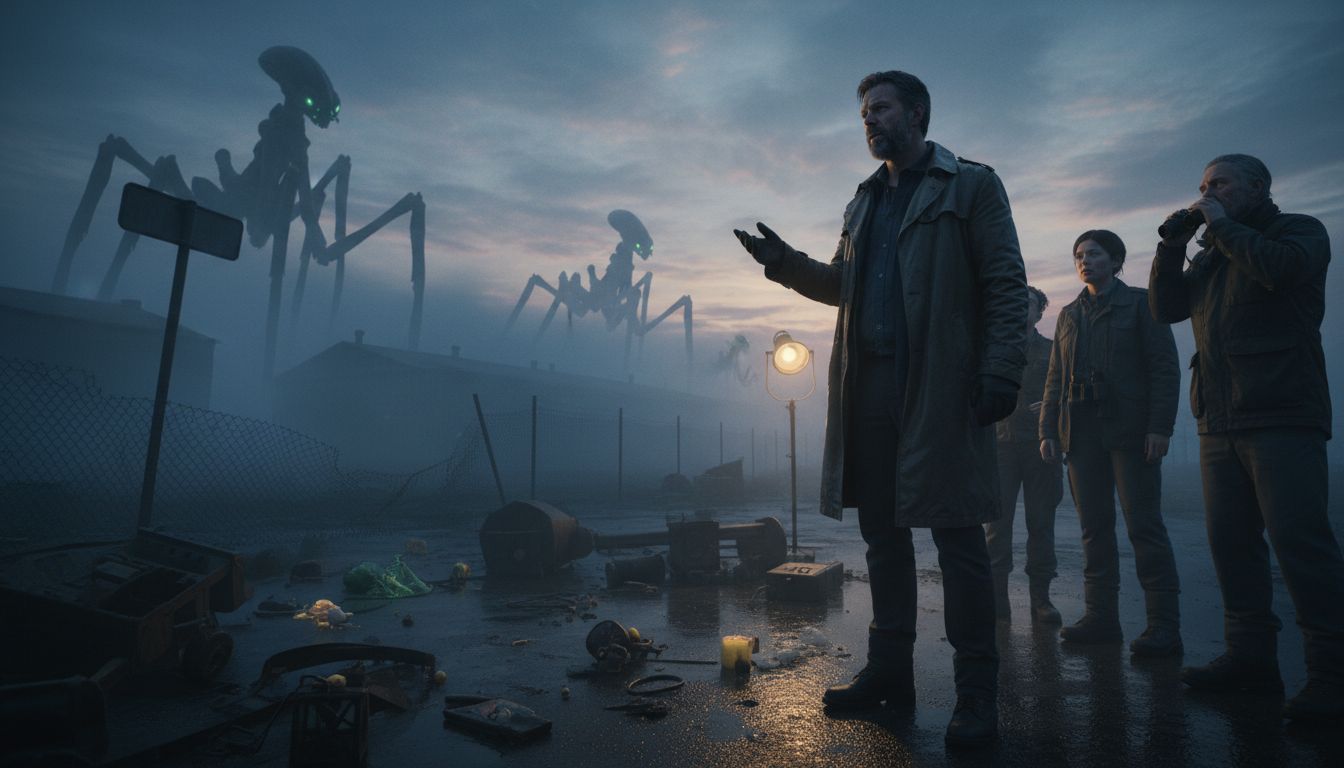
According to the video, British Ministry of Defence (MoD) workers stationed at logistics and intelligence sites adjacent to the former airbases have reported recurrent visual encounters with entities that resemble terrestrial mantises—elongated bodies, articulated fore‑limbs, and a glossy exoskeleton. One unnamed technician told the camera, “I’ve seen them hovering just beyond the perimeter fence at night; they don’t make any sound, and they disappear when you try to approach.” Holland notes that these observations are not isolated; similar reports have been logged in internal MoD incident registers over the past twelve months, though they remain classified under “unidentified aerial phenomena” (UAP).
Military Connections
The Bentwaters‑Woodbridge complex, once a hub for USAF reconnaissance during the Cold War, has a documented history of UFO reports dating back to the early 1980s. Researchers have linked the current mantis sightings to that legacy, suggesting that U.S. and British military personnel may have been exposed to the same anomalous craft that allegedly hovered over Rendlesham Forest in December 1980. Holland’s commentary emphasizes that “the pattern of sightings near former intelligence installations points to a possible monitoring or research interest that transcends national boundaries.” He cites declassified NATO documents that reference “non‑human intelligences” operating in the North Atlantic corridor, though the specifics remain redacted.
Witness Accounts
In addition to the defense worker’s testimony, Holland includes interviews with two former USAF airmen who served at Bentwaters during the 1990s. Both describe a “silvery, insect‑shaped silhouette” that appeared during night‑time patrols, moving with a fluidity inconsistent with known aircraft. One veteran recalled, “It was about three meters long, with jointed arms that seemed to point at us before vanishing. No lights, no sound—just a feeling of being watched.” While the accounts are anecdotal, they align with the visual descriptors supplied by the current MoD staff, reinforcing the consistency of the phenomenon across decades.
Government Secrecy and Context
The video underscores a persistent theme in UAP reporting: government opacity. Holland points out that the Ministry of Defence’s official policy, established in 2019, classifies any sighting that cannot be readily identified as a security matter, limiting public disclosure. He adds, “When defense workers file these reports, they are often instructed to mark them as ‘restricted’ and the files are stored in a compartmentalized database that is not accessible to civilian oversight bodies.” This procedural secrecy fuels speculation about the extent of official knowledge and the potential for a coordinated response to the mantis cryptoids.
Outlook
While the mantis‑shaped sightings remain unverified by independent scientific analysis, the convergence of historical UFO activity, current defense‑worker testimony, and documented military interest warrants closer scrutiny. Holland calls for a formal inquiry, urging both the UK Ministry of Defence and the United States Department of Defense to release any related declassified material. As the discussion moves from fringe forums to mainstream media, the mantis cryptoids may become a pivotal case study in the ongoing effort to understand unidentified aerial phenomena and their implications for national security.