Overview
In early July 2025, a forensic team from the University of Zurich completed the exhumation of the remains of Rudolf Brun, Zurich’s first independent mayor who died in 1360 under circumstances that have remained disputed for centuries. Within weeks of the operation, a number of local residents reported seeing an indistinct figure moving along the interior walls of St. Peter’s Church tower, the city’s oldest parish building. The accounts have sparked renewed interest in Brun’s turbulent legacy and prompted both paranormal enthusiasts and academic scholars to weigh in on the phenomenon.
Historical Background
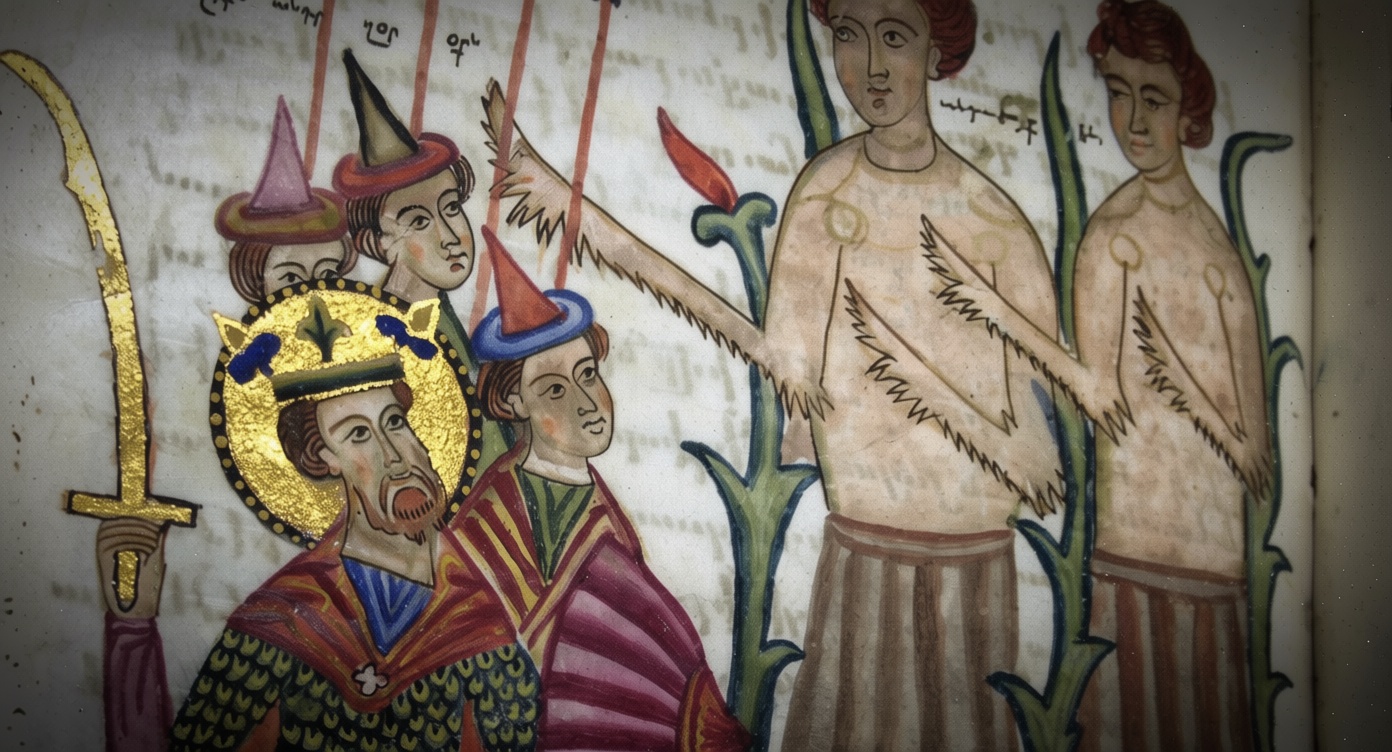
Rudolf Brun rose to power in June 1336 by leading a guild‑driven revolt that displaced the aristocratic council that had governed Zürich for generations. His tenure was marked by both civic reform and violent repression, most notoriously the 1349 massacre of the city’s Jewish community, in which roughly 400 individuals were killed amid accusations of well‑poisoning and the spread of the Black Death. Brun’s rule ended on 17 September 1360 when he died—traditionally attributed to poisoning by his own cook, a claim that has never been substantiated by contemporary records. He was interred beneath the massive clock tower of St. Peter’s, a Baroque structure whose dial spans 8.7 metres, making it the largest clock face in Europe.
The Exhumation and Its Findings
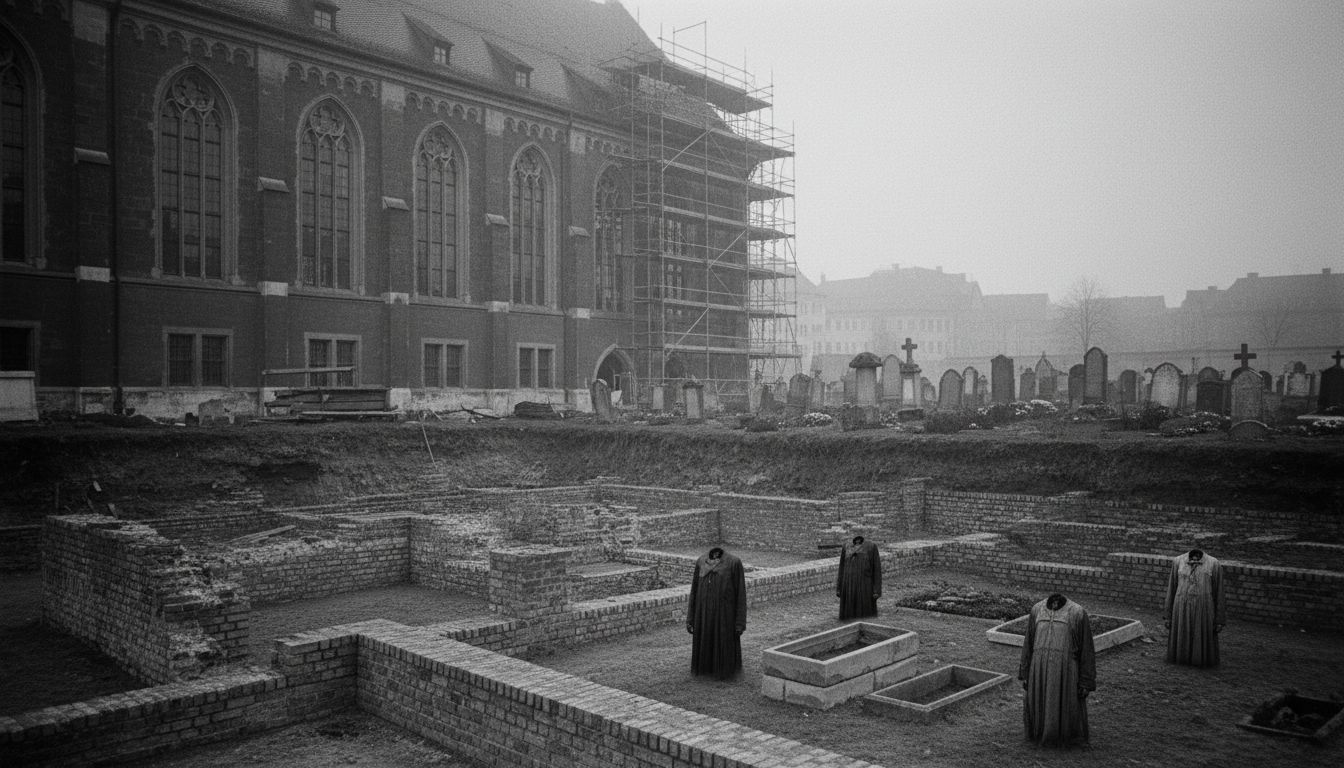
The university‑led excavation, authorized by the Zürich heritage authority, aimed to resolve lingering questions about Brun’s death. Researchers recovered a partial skeleton alongside the remains of a second individual identified as his cook. Preliminary osteological analysis revealed no clear evidence of acute toxic exposure, though trace levels of lead were detected—consistent with medieval dietary habits rather than deliberate poisoning. “Our goal was to apply modern forensic methods to a medieval mystery,” said Dr. Claudia Meier, lead archaeologist on the project. “While the results have not confirmed the historical narrative of a poisoned death, they do provide a clearer picture of the burial context and health status of the individuals involved.”
Reported Sightings
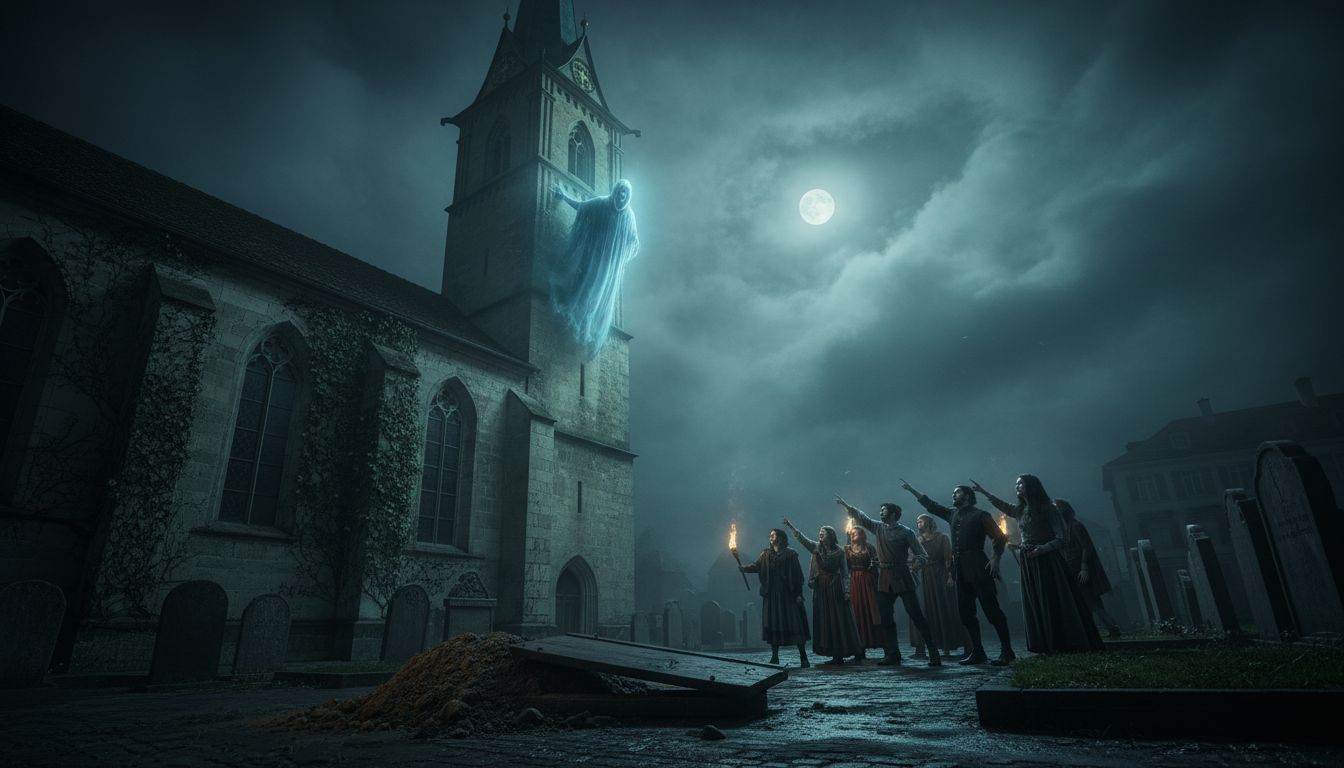
Within ten days of the burial opening, several members of the St. Peter’s parish reported seeing a faint, human‑shaped silhouette near the interior of the clock tower’s stonework. One witness, 62‑year‑old carpenter Hans Keller, described the figure as “a dark outline moving slowly along the wall, disappearing when I turned the lantern.” Another, a university student named Lea Müller, said she felt an “unusual chill” and heard a “soft rustling” while climbing the tower for a photography project. The sightings have been documented on local social‑media platforms, prompting a modest influx of curious visitors to the church. The parish office, however, has issued a statement reminding the public that no official investigation into paranormal activity has been launched and that the tower remains a protected historic site.
Expert and Skeptical Perspectives
Paranormal researcher Dr. Markus Feldmann of the Swiss Society for Unexplained Phenomena noted that “the timing of the exhumation and the subsequent reports fit a classic pattern where heightened public awareness fuels anecdotal experiences.” He cautioned that visual misperceptions, especially in dimly lit stone environments, are common. Conversely, historian Prof. Anna Keller of the University of Zurich emphasized the importance of the renewed public interest in Brun’s complex legacy. “Whether or not a ghost is present, the reports have opened a dialogue about Zurich’s medieval power dynamics and the darker chapters of its history,” she said. Both experts agree that further scientific monitoring—such as infrared cameras or environmental sensors—could help determine if any measurable anomalies occur within the tower.
Conclusion
The exhumation of Rudolf Brun has provided valuable forensic data that challenges long‑standing assumptions about his death, while the subsequent eyewitness accounts have revived folklore surrounding the historic site. As Zurich balances preservation of its medieval heritage with modern scientific inquiry, the city’s authorities remain focused on factual investigation over speculation. Whether the reported apparitions will be explained by psychology, environmental factors, or remain an unsolved curiosity, they underscore how historical events continue to shape contemporary cultural narratives in Switzerland’s most iconic churches.