Overview
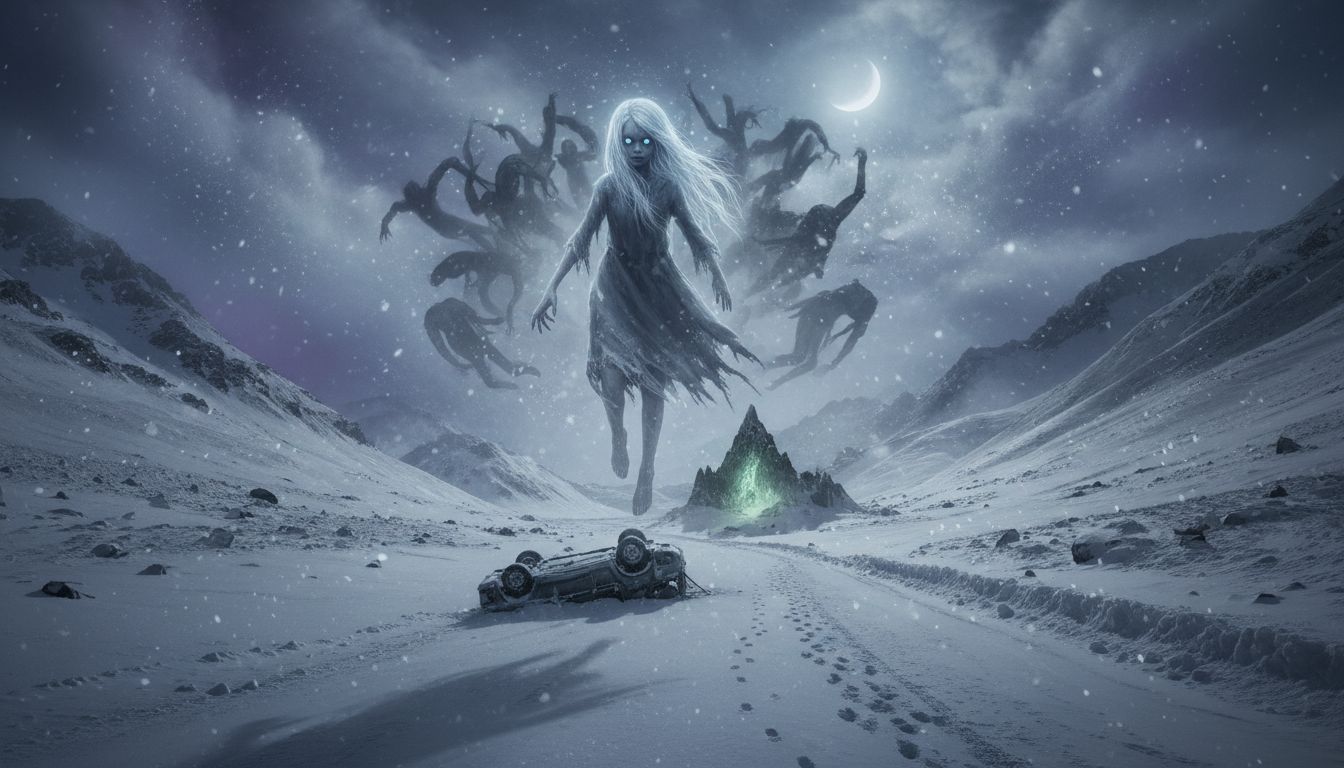
A centuries‑old legend from the south‑coast village of Stokkseyri has resurfaced in Icelandic media after a recent surge of reported mishaps on the region’s icy roads. The tale centers on Móhúsa‑Skotta, a ghost said to have been born when a nameless girl perished on a frigid winter night and returned to haunt the wealthy landowner Jón ríki Þórðarson. Folklorists and cultural historians note that the story, first recorded in the 19th century, blends traditional Skotta motifs—backward‑facing headwear that streams like a tail—with the older Norse concept of a fylgja, a spirit that follows a living person. While the legend remains part of Iceland’s oral heritage, local officials say no concrete link has been established between the folklore and the recent accidents.
Historical Context
The legend originates from the late‑1700s, a period when Jón the Rich amassed land in the fishing hamlet of Ferjunes after arriving impoverished. Contemporary accounts describe how, one night, a starving girl knocked on his door seeking shelter. Jón allegedly turned her away; she succumbed to the cold, only to reappear as a spectral figure that stalked him for years. The name Skotta derives from the Icelandic word for “to dangle,” referencing the traditional spaðafaldur cap worn backwards by female ghosts, giving the impression of a flowing tail. Scholars such as Dr. Ásta Björnsdóttir of the University of Iceland explain that the Skotta archetype evolved from fylgja lore, shifting from animal or divine messengers to more corporeal, human‑like apparitions in later folk narratives.
Recent Incidents
In the past six months, three separate traffic collisions on the coastal highway near Stokkseyri have resulted in fatalities, each occurring under heavy snowfall and low visibility. Residents of the nearby farmstead, still colloquially referred to as “Móhúsa,” have reported hearing a faint, mournful wail before the accidents, prompting speculation that the legend is influencing public perception. “When the wind howls and the night is black, the old stories come back to life,” says local fisherman Einar Guðmundsson, who has lived in the area his entire life. However, the Icelandic Transport Authority’s preliminary investigation attributes the crashes to poor road maintenance and driver fatigue, emphasizing that “there is no evidence of supernatural involvement.”
Cultural Significance
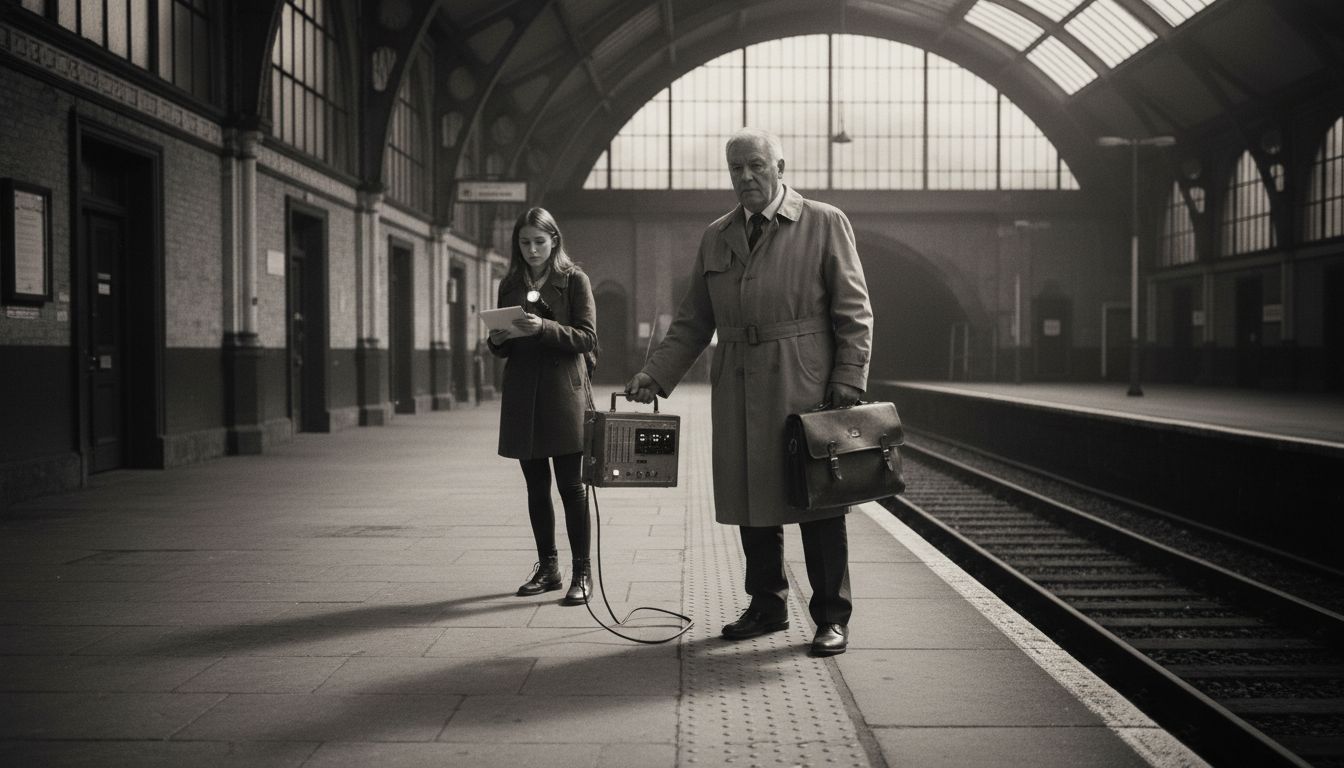
Despite the lack of empirical proof, the Móhúsa‑Skotta narrative continues to attract academic and tourist interest. The Moon Mausoleum website, which catalogues Icelandic paranormal folklore, recently featured the story alongside a collection of ghost‑hunting equipment, noting its popularity among both scholars and paranormal enthusiasts. “Legends like Móhúsa‑Skotta serve as cultural touchstones, reflecting societal anxieties about wealth, poverty, and the harshness of the winter environment,” remarks folklorist Magnús Einarsson. He adds that the tale’s endurance illustrates how oral traditions adapt, integrating newer motifs—such as the idea of a ghost leading a “team” of companions—while preserving core symbolic elements.
Outlook
Local authorities plan to improve signage and lighting along the hazardous stretch of road, aiming to reduce accident rates regardless of folklore. Meanwhile, cultural institutions are preparing a small exhibition at the Eyrarbakki Heritage Center, slated for the summer, to explore the evolution of the Skotta figure from medieval fylgja to modern ghost story. As the winter season approaches, residents remain wary, but experts stress that rational safety measures, not superstition, are the most effective defense against tragedy. The Móhúsa‑Skotta legend, meanwhile, endures as a reminder of Iceland’s rich narrative tapestry, where history, myth, and contemporary life intersect on the cold, wind‑blown nights of the south coast.