Overview
Basel, Switzerland’s third‑largest city, is renowned for its museums, university and Rhine‑front promenade. Beneath the well‑kept façades, however, a network of legends persists, describing restless spirits that have haunted the city for centuries. Recent research compiled by the cultural‑heritage site Moon Mausoleum highlights several locations—ranging from a former Dominican cloister to a 16th‑century heretic’s townhouse—where eyewitness accounts and archival records suggest paranormal activity continues to shape local folklore.
Historical backdrop
Basel’s strategic position at the crossroads of France, Germany and Switzerland made it a frequent battleground during the Middle Ages. Epidemics, religious wars and the sweeping changes of the Reformation left deep scars on the urban fabric. Historians note that the city’s “dark, more unsettling layer of history” includes the dissolution of monasteries, the conversion of sacred buildings into military barracks, and the persecution of dissenting religious groups. Such turbulent episodes provide fertile ground for ghost stories that have been passed down through generations, often serving as cautionary tales about hubris, faith and injustice.
The restless spirits of Kleines Klingental
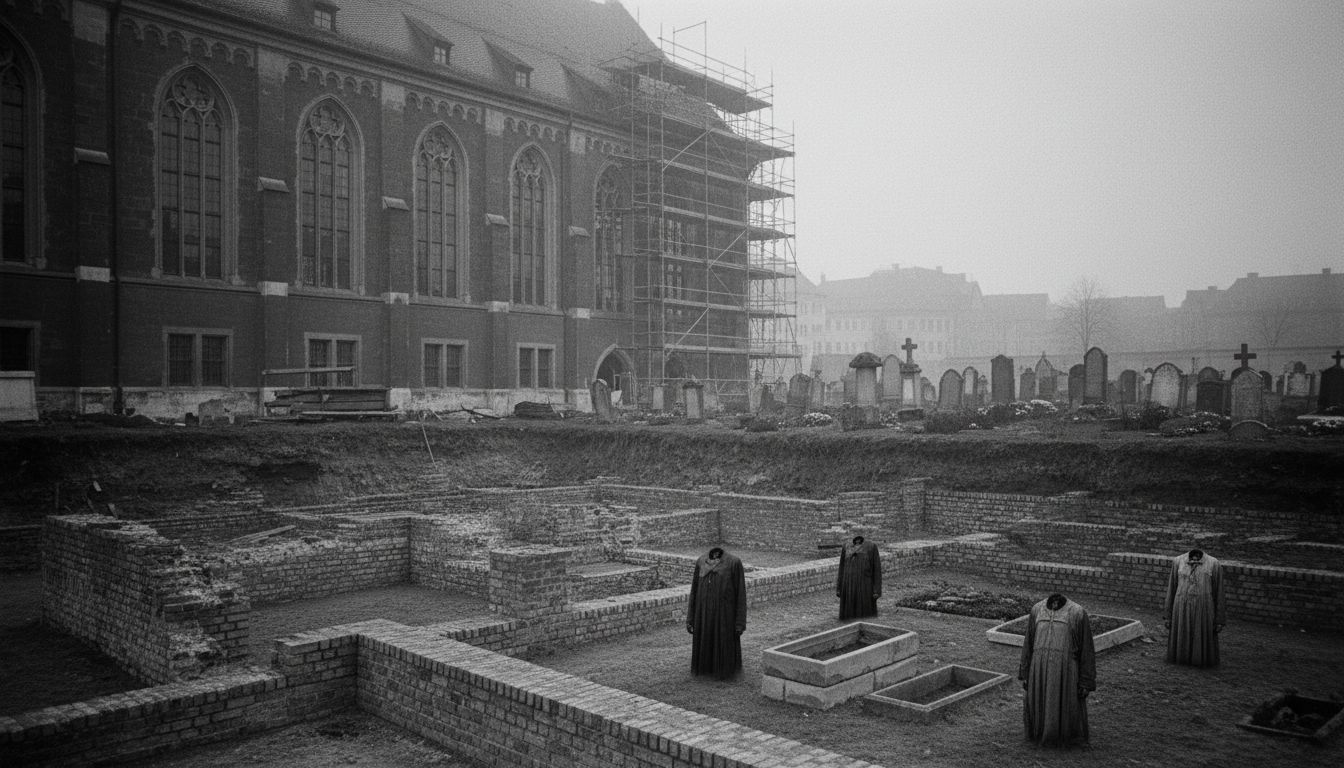
The former Dominican cloister in the Kleines Klingental district, now home to the Kleines Klingental Museum, is frequently cited as one of the most haunted sites in Basel. According to the Moon Mausoleum account, the convent attracted “wealthy, noble‑born nuns” whose lives allegedly strayed from monastic vows, leading to rumors of secret lovers, drowned infants and open defiance of church authority. After the Reformation, the building was repurposed as a military barracks, and soldiers reportedly heard “ghostly nuns praying, wailing, and wandering the halls in sorrow.” Contemporary visitors claim to see “flickering lights and shadowy figures” near the former chapel. Museum curators acknowledge the legends, noting that they “add a compelling layer to the site’s interpretation of Basel’s religious and social history.”
The headless heretic of Spießhof
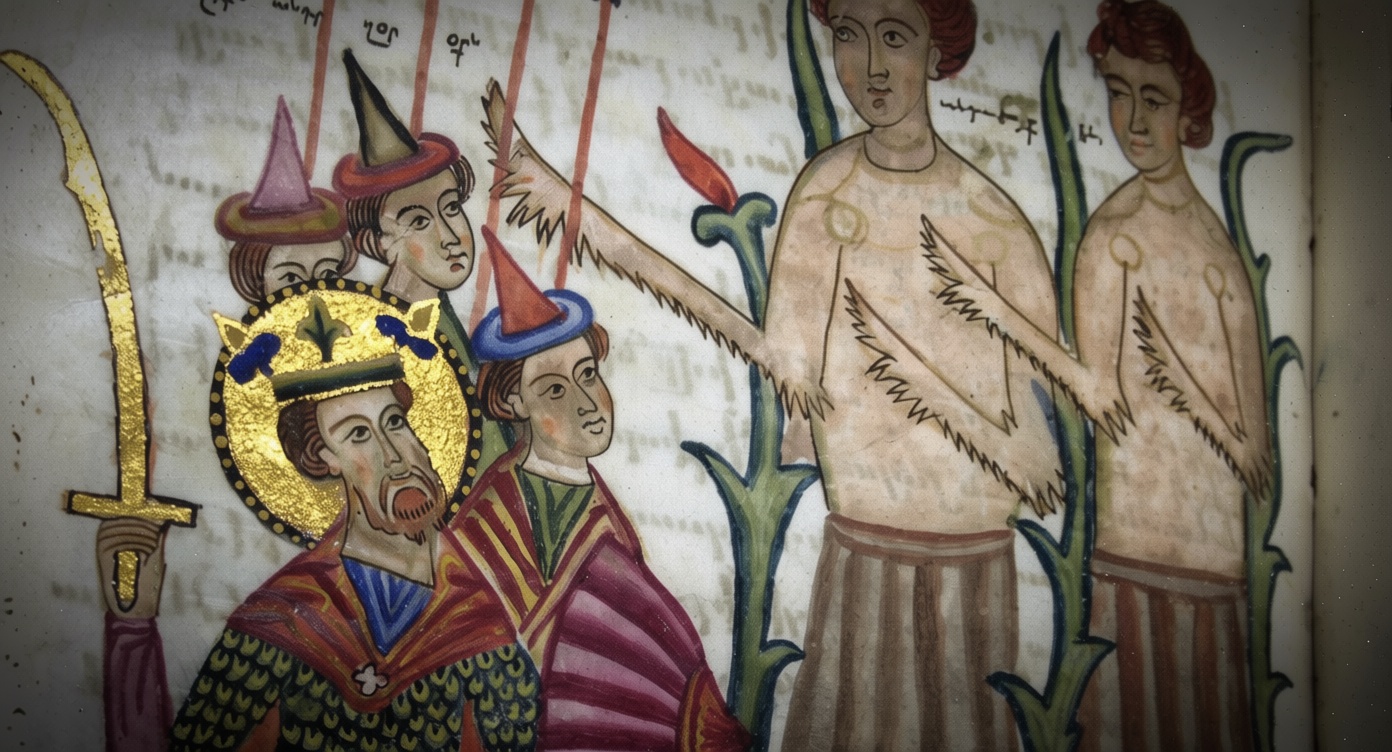
In Basel’s Old Town, the Spießhof Building is linked to the fate of David Joris, a Dutch Anabaptist preacher who sought refuge in the city during the 1520s. Joris, who operated under an assumed identity, was later denounced as a heretic and executed. Local lore, recorded by Moon Mausoleum, describes his specter as “headless” and “unable to leave until his name is cleared.” Mediums consulted by the site claim the apparition appears in the building’s attic, muttering fragments of Joris’s sermons. While the story lacks corroborating documentary evidence, it reflects Basel’s complex religious landscape during the Reformation and the lingering cultural memory of persecution.
Other notable hauntings
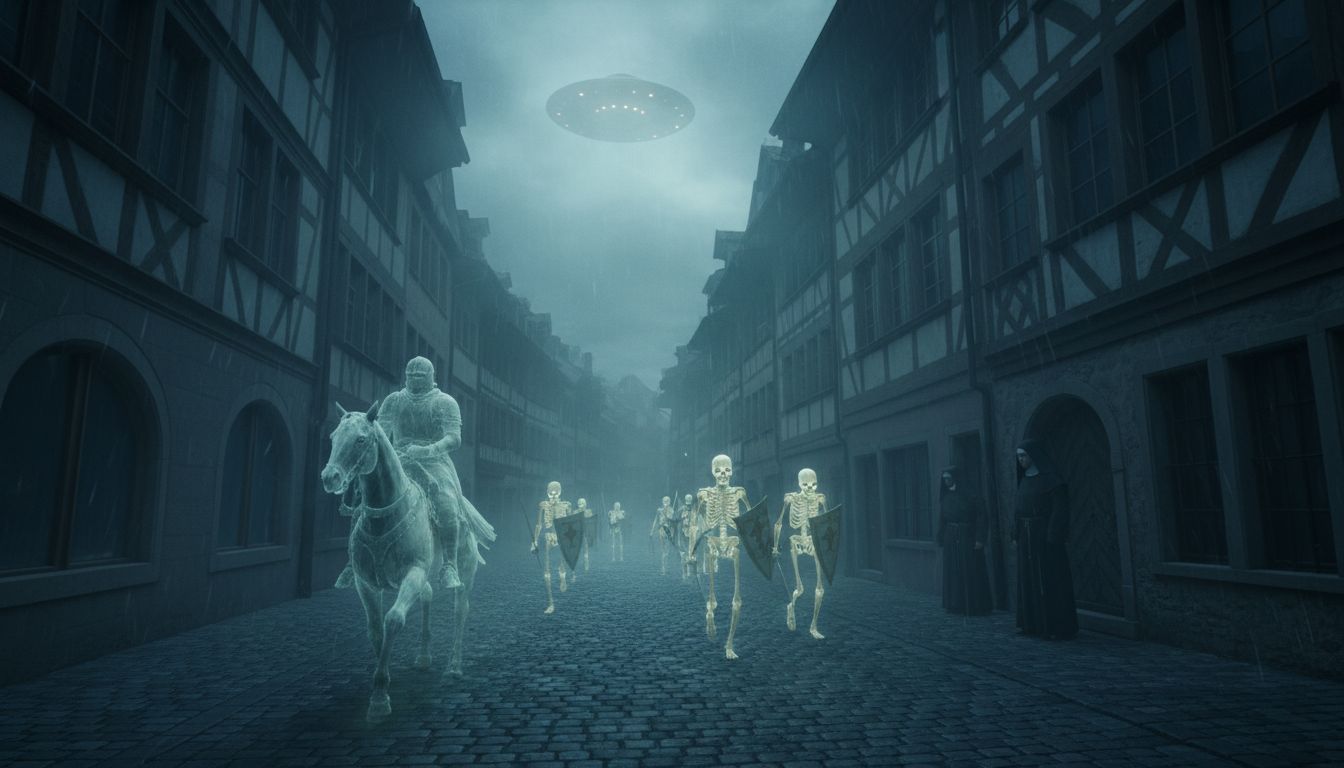
Beyond the two principal sites, Basel’s paranormal map includes a variety of locations mentioned in the source material: a “poltergeist‑riddled alley” near the Rhine, the crypt of Basel Minster where monks are said to whisper prayers after dark, and an urban legend of “marching skeletons” that allegedly appear during the annual Fasnacht carnival. These narratives, though less documented, are reinforced by occasional reports from residents and tourists who describe unexplained noises, cold spots and fleeting apparitions. Scholars of folklore stress that such stories often emerge from collective experiences of war, disease and social upheaval, serving as symbolic representations of unresolved trauma.
Context and outlook
While the supernatural claims surrounding Basel’s historic sites remain unverified by scientific methods, they contribute to the city’s cultural tourism and heritage preservation efforts. The municipal tourism office has begun to incorporate “ghost walk” tours, partnering with local historians to ensure that the legends are presented alongside factual history. As one Basel resident told Moon Mausoleum, “Whether you believe in ghosts or not, the stories keep our past alive in a way that textbooks can’t.” Continued documentation of eyewitness accounts and archival research will be essential for distinguishing myth from history, but for now, Basel’s haunted reputation endures as a compelling facet of its rich, multi‑century narrative.