Overview
Bern’s UNESCO‑listed Old Town, with its golden sandstone facades and centuries‑old guild houses, has long attracted visitors drawn to its medieval charm. Beneath the postcard‑perfect streets, however, a parallel narrative of folklore persists. Local historians note that the city’s narrow alleys and the banks of the Aare River have been the setting for “a collection of chilling legends, from phantom apparitions in centuries‑old buildings to mysterious drownings beneath the water” (Moon Mausoleum, 2026). While the stories are rooted in oral tradition, they have become a measurable part of Bern’s cultural tourism, prompting guided night tours and scholarly interest in how collective memory shapes the city’s identity.
The Headless Ghost Woman of Junkerngasse 54
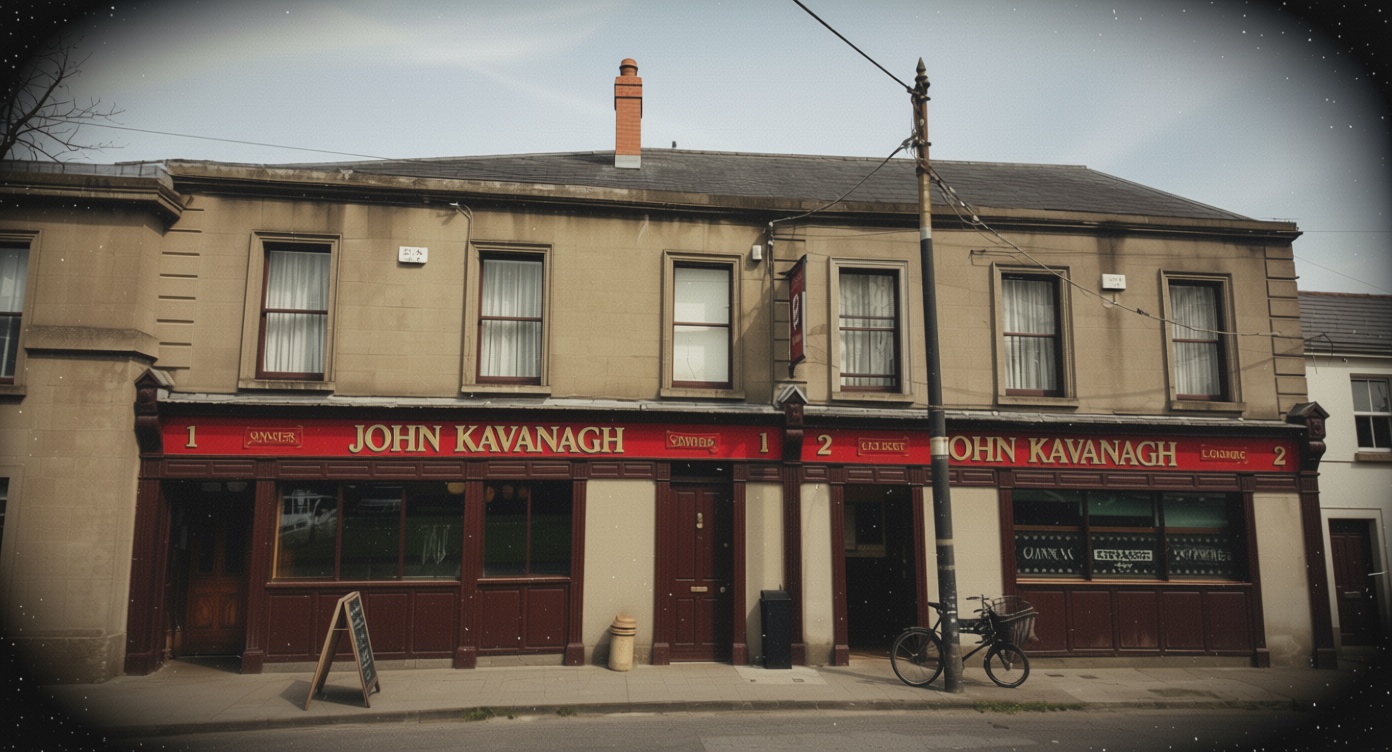
One of the most frequently cited hauntings centers on Junkerngasse 54, an abandoned townhouse that has stood empty for more than a hundred years. According to the legend, “at the stroke of midnight, the spirit of a woman said to be headless appears at the window, haunting the quiet street below” (Moon Mausoleum). The figure is described as a pale silhouette, sometimes seen gliding along the façade before vanishing into the night. The building itself dates to the 17th‑century expansion of Junkerngasse, a street once reserved for Bern’s merchant elite. Although archival records show the property served as a residential workshop in the 1800s, no documented incidents corroborate the apparition, leaving the tale firmly in the realm of local folklore. The story’s endurance is evident in its inclusion on the city’s official ghost‑tour itineraries, where guides emphasize the narrative’s role in illustrating Bern’s layered past.
The Sinful Monk of the Former Monastery House
A second site, the Frienisberghaus on Junkerngasse, was originally part of a Cistercian monastery linked to the Frienisberg Abbey. After the Reformation repurposed the building for secular use, folklore emerged around a “sinful monk” who, according to legend, “violated a nun during his time in the city, and after the Reformation turned the building to secular use, his restless spirit began to appear at midnight, silently climbing and descending stairs, sighing in torment.” (Moon Mausoleum). Architectural surveys confirm that the structure retains original monastic stairwells, which some visitors claim echo with faint, unexplained sounds after dark. Dr. Elisa Keller, a medievalist at the University of Bern, cautions that “such stories often reflect post‑Reformation anxieties about religious authority rather than verifiable hauntings,” but acknowledges their value in illustrating how historic spaces acquire new meanings over time.
Context and Contemporary Interest
Bern’s haunted narratives are not isolated curiosities; they intersect with broader trends in heritage tourism and paranormal research. The city’s tourism board reports a 12 % rise in night‑time guided tours during the spring of 2026, attributing part of the increase to “interest in the city’s ghost stories, especially those linked to well‑known streets like Junkerngasse.” Meanwhile, the Swiss Society for Paranormal Studies (SSPS) has catalogued over 30 reported sightings across Bern, though it emphasizes a “rigorous, evidence‑based approach” that distinguishes anecdotal accounts from verifiable phenomena. Local authorities, while supportive of cultural tourism, advise visitors to respect private property and to adhere to safety guidelines when exploring historic sites after hours.
Looking Ahead
As Bern continues to balance preservation with modern urban life, its haunted folklore remains a dynamic element of the city’s cultural tapestry. Whether viewed as genuine paranormal activity or as symbolic reflections of Bern’s turbulent religious and social history, the stories of the Headless Ghost Woman and the Sinful Monk underscore how historic environments can inspire enduring narratives. For tourists and scholars alike, the allure lies not only in the possibility of a supernatural encounter but also in the insight these legends provide into the collective memory of a city that, even after centuries, still whispers its secrets along its ancient stone walls.