Overview
Germany’s rich tapestry of medieval architecture, dense woodlands and turbulent twentieth‑century history has given rise to a network of sites that locals and visitors alike describe as “haunted.” From the mist‑shrouded Black Forest to abandoned manor houses in urban centers, these locations blend documented events with centuries‑old folklore. While the stories vary—from headless riders to wartime apparitions—their persistence reflects a cultural fascination with the unseen and a desire to keep historical memory alive. Researchers of German folklore note that such narratives often serve as cautionary tales, preserving communal values long after the original events have faded from official records.
The Black Forest: Fairy‑Tale Shadows
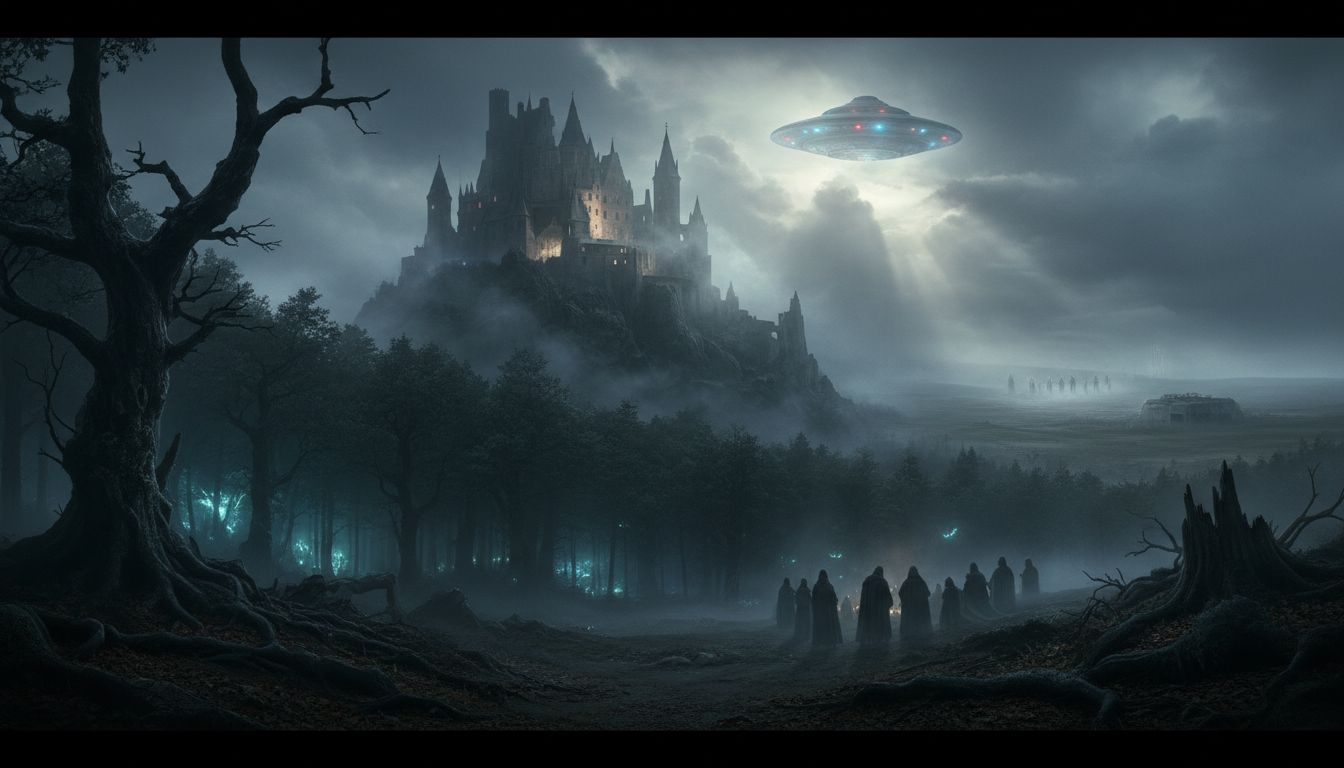
Spanning more than 6,000 km² across Baden‑Württemberg, the Schwarzwald is arguably the most iconic “haunted” landscape in Germany. The region’s association with the Brothers Grimm has cemented its reputation as a realm of dark fairy tales, but oral traditions add a more spectral layer. Residents recount sightings of a headless horseman galloping through moonlit clearings, his phantom hooves echoing between ancient firs. Another legend tells of an “evil king” who lures women to an underwater lair hidden in a forest lake, guarding treasures with supernatural creatures. Folklorist Dr. Anja Müller of the University of Freiburg explains that “these stories function as metaphors for the forest’s unpredictability, warning travelers of hidden dangers while reinforcing a shared cultural identity.” While scientific investigations have found no physical evidence of spectral riders, the Black Forest continues to attract both hikers and paranormal enthusiasts, especially during the full‑moon nights when the mist amplifies the eerie ambience.
Haus Fühlingen: Cologne’s Abandoned Manor
On the outskirts of Cologne stands Haus Fühlingen, a crumbling manor once owned by the affluent Oppenheim family. Abandoned in the mid‑20th century, the estate has become a focal point for reports of unexplained noises, cold spots, and fleeting apparitions. Local historian Klaus Richter notes that the house was requisitioned during World War II and later suffered a fire that destroyed much of its interior. “The combination of wartime trauma and the manor’s decay creates a perfect storm for ghost stories,” Richter says. Visitors have described hearing piano chords from an empty ballroom and seeing a translucent figure in period clothing wandering the corridors. Though the site is privately owned and not officially open to the public, guided tours organized by local paranormal societies have documented these accounts, adding to the manor’s mystique.
Wartime Specters: Battlefields and Memorials
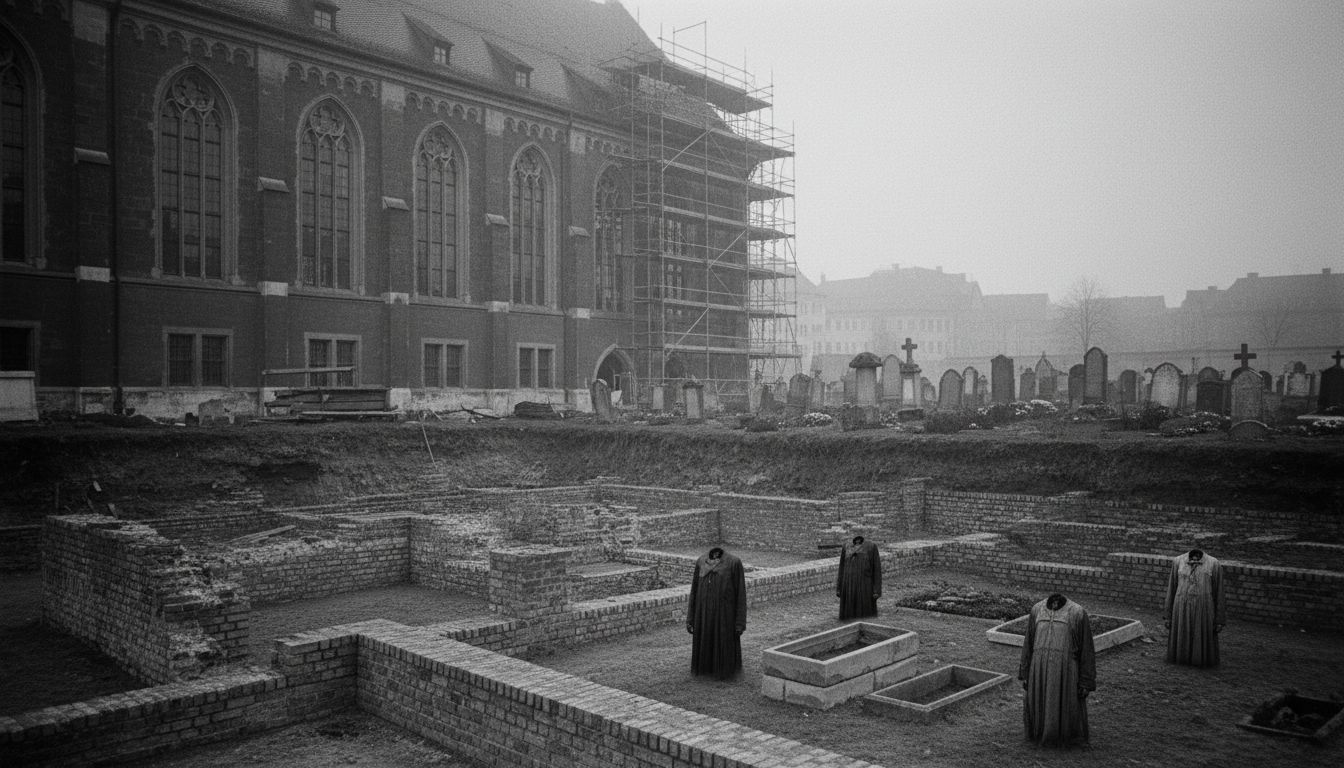
Beyond castles and forests, Germany’s battlefields and former concentration‑camp sites also host lingering narratives of restless spirits. The Königsberg Battlefield in the East, where fierce fighting occurred during the final days of World War II, is said to echo with the sounds of distant artillery and the cries of soldiers who never left. At the Bergen‑Belsen memorial, some caretakers report cold drafts and the sensation of being watched in certain barracks. Psychologist Dr. Helmut Braun cautions against sensationalism, stating that “collective trauma can manifest as heightened emotional responses, which people may interpret as paranormal activity.” Nonetheless, these accounts underscore how physical spaces can become repositories for collective memory, keeping the past palpable for future generations.
Visiting the Haunted Sites: Practical Guidance
For travelers interested in exploring Germany’s eerie locales, experts advise a balanced approach. Respect private property—many haunted sites, such as Haus Fühlingen, are not open to the public and trespassing can result in legal consequences. In forested areas like the Black Forest, stick to marked trails and be prepared for rapidly changing weather. Local tourism offices often provide “ghost walks” led by knowledgeable guides who can contextualize legends within historical fact. Additionally, visitors should be mindful of the cultural sensitivity surrounding sites tied to wartime suffering, ensuring that curiosity does not eclipse reverence for those who endured tragedy.
Conclusion
Germany’s haunted places, from the myth‑laden Black Forest to the silent corridors of abandoned manors, illustrate how history, folklore and human psychology intertwine. While empirical evidence for supernatural phenomena remains elusive, the stories themselves offer valuable insight into regional identities and collective memory. As interest in paranormal tourism grows, maintaining a critical yet respectful perspective will allow both scholars and curious travelers to appreciate these locations for their cultural significance as well as their chilling allure.