Overview
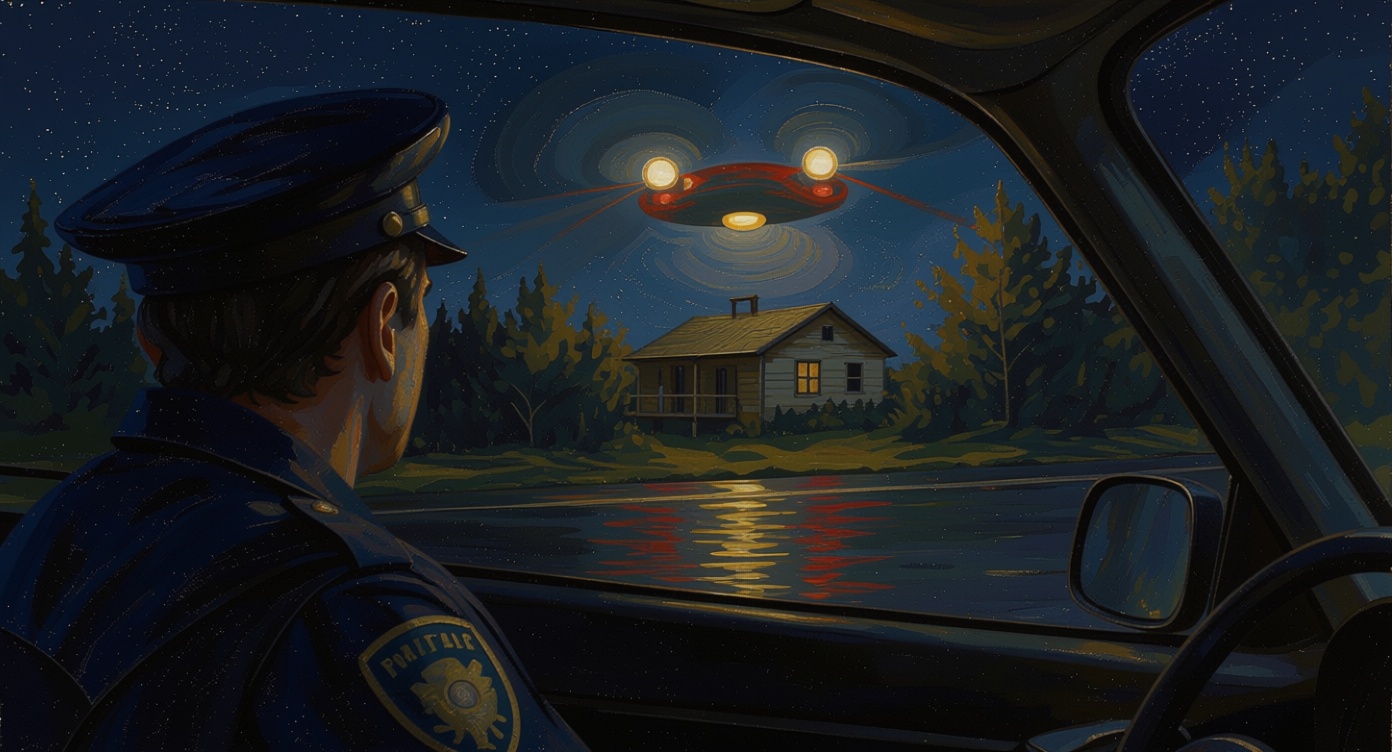
In early 2018 a series of video recordings captured near Adelaide, South Australia, showed multiple luminous orbs moving at high speed and executing abrupt stops and direction changes. The footage, which quickly circulated among local UFO‑watch groups, prompted a formal investigation by the Mutual UFO Network (MUFON). While the videos have not been conclusively identified, the combination of rapid acceleration, near‑instantaneous halts, and the apparent coordination among several objects has drawn interest from both civilian researchers and professional analysts.
Video Evidence
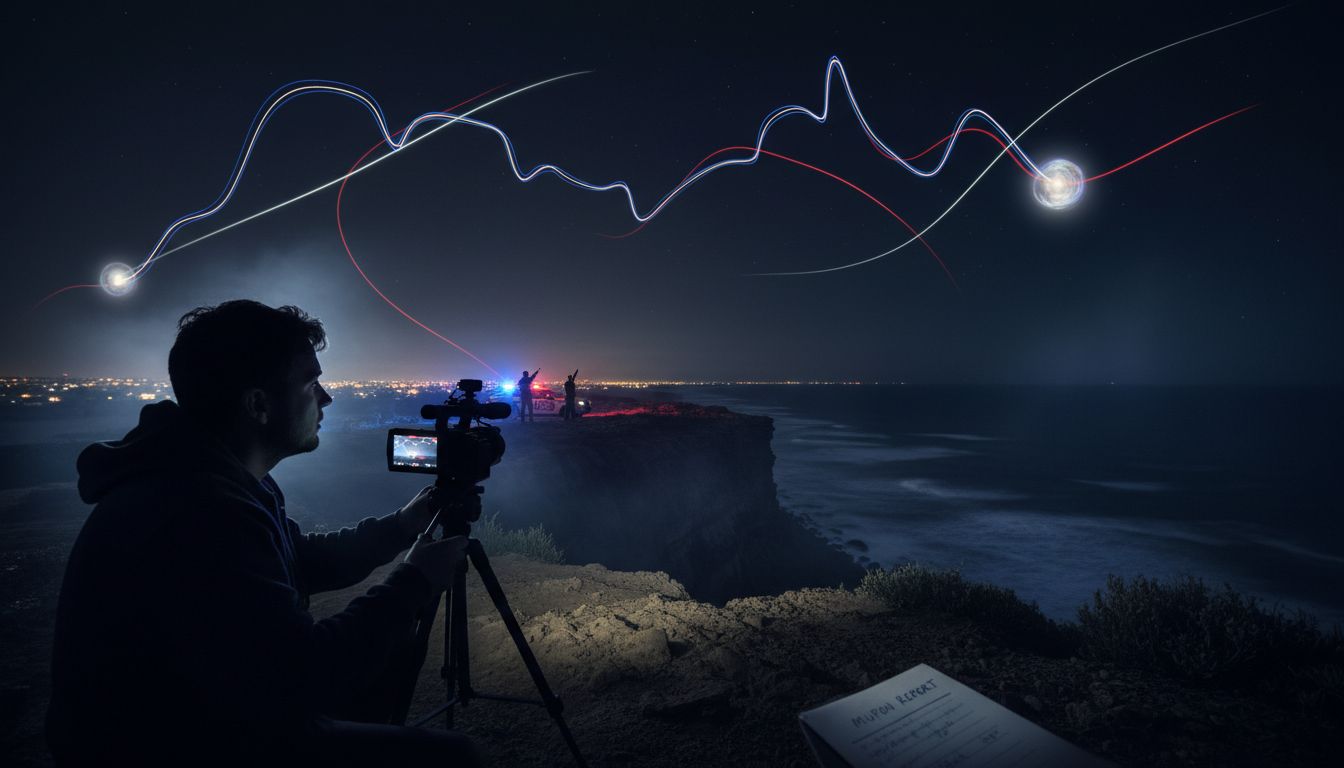
The recordings, taken with a handheld smartphone on a clear evening, display three distinct orbs ranging from the size of a basketball to roughly a meter in diameter. Each orb maintains a steady, bright glow and appears to move laterally at speeds estimated by frame‑by‑frame analysis to exceed 300 km/h. In several instances the objects accelerate from a standstill to full speed in less than a second, then decelerate to a complete stop within a comparable timeframe. The footage also shows the orbs briefly aligning in a V‑shaped formation before diverging again, a pattern not typical of known aircraft or atmospheric phenomena.
MUFON’s video analyst, Dr. Elena Ramirez, applied motion‑tracking software to the clips. “The acceleration profiles we observed are well beyond the capabilities of conventional propulsion systems,” she noted. “When we calculate the forces required for such abrupt changes, they imply either a technology that can negate inertia or a misinterpretation of the visual data.” The organization has released a low‑resolution excerpt of the footage for independent review, encouraging experts in optics and aerospace to submit their assessments.
Witness Account
The primary witness, 34‑year‑old Adelaide resident Michael Harris, was walking his dog near the suburb of Glenelg when he noticed the lights. “At first I thought it was a drone or a fireworks display,” Harris recalled in an interview with The Advertiser. “But the way they darted, stopped, and then seemed to hover for a moment—nothing I’ve ever seen before. It felt like they were… drawn to that spot, almost as if the location itself was a point of interest.”
Harris reported that the orbs lingered for approximately 45 seconds before disappearing from view. He also mentioned that the area had recently been the site of a small community art installation involving reflective sculptures, though he dismissed any connection, noting that the orbs emitted a steady, self‑illuminating glow rather than reflecting external light sources.
MUFON Investigation
MUFON’s South Australian field team conducted an on‑site survey in March 2018, gathering environmental data, interviewing local residents, and reviewing nearby radar logs. No conventional aircraft, weather balloons, or known drone activity were recorded at the time of the sighting. The team also consulted with the Australian Defence Force’s air traffic control, which confirmed no military exercises or test flights were scheduled in the region that night.
In its preliminary report, MUFON classified the incident as a “UFO – Unidentified Aerial Phenomenon” under the organization’s standard taxonomy, citing the lack of corroborating data from established aviation sources. The report emphasizes that “unidentified” does not equate to extraterrestrial; rather, it reflects the current inability to match the observations with known technologies or natural occurrences.
Context & Analysis
Australia has a long history of UFO reports, with several high‑profile cases prompting scientific scrutiny. The Adelaide orbs add to a growing catalog of sightings featuring high‑speed, maneuverable objects that challenge conventional aeronautics. Some researchers suggest that advanced propulsion concepts—such as electromagnetic or plasma‑based drives—could theoretically produce the observed performance, though no experimental platform has demonstrated such capabilities publicly.
Skeptics point to the possibility of video artifacts, lens flares, or misidentified terrestrial objects like birds with reflective plumage. Optical physicist Dr. Anil Patel cautions, “Smartphone cameras can produce motion blur and compression artifacts that mimic rapid movement, especially in low‑light conditions. Without corroborating radar or multiple independent recordings, conclusions remain speculative.”
The Adelaide incident underscores the importance of systematic data collection and interdisciplinary review. As MUFON continues to solicit expert analysis, the case remains open, inviting both scientific inquiry and public curiosity. Whether the orbs represent a novel technological demonstration, a natural atmospheric event, or an as‑yet‑unexplained phenomenon, they serve as a reminder that the skies above Adelaide still hold mysteries awaiting rigorous investigation.