Overview
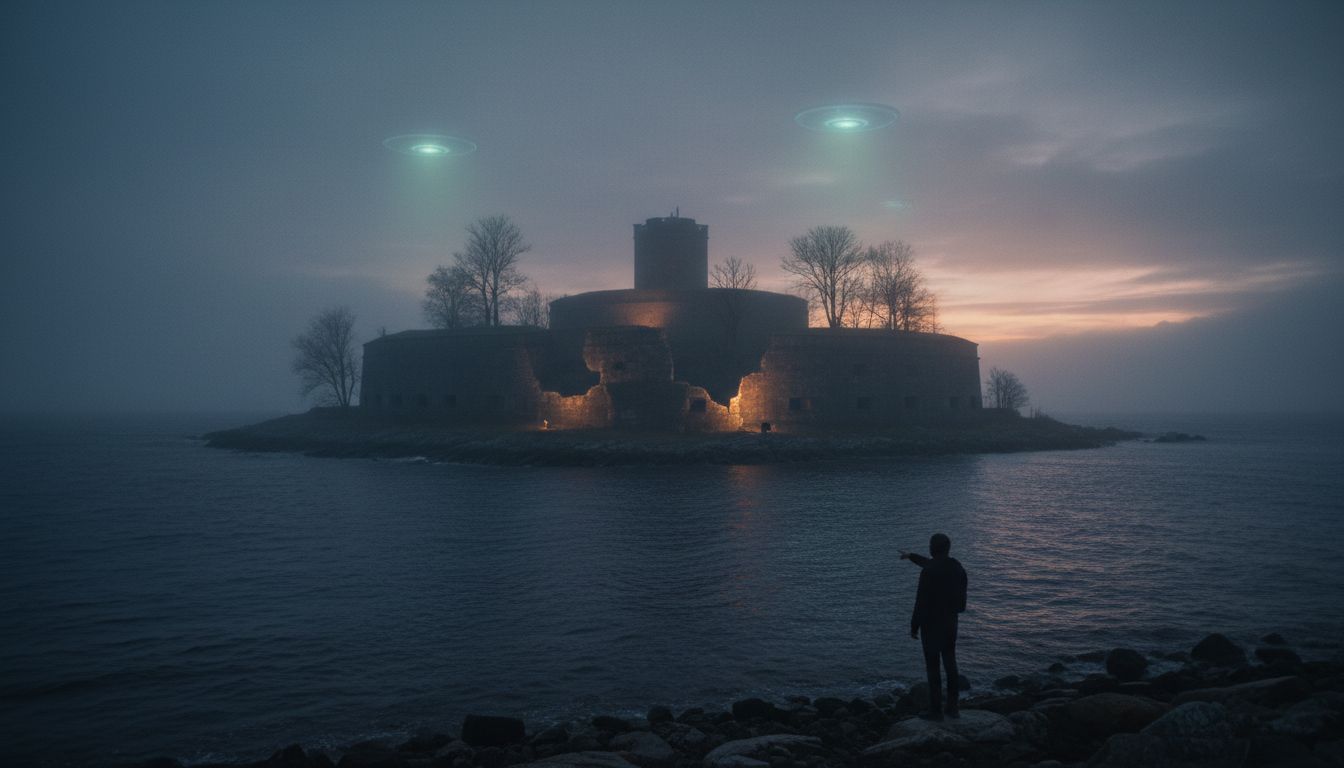
Rising quietly from the Trondheim Fjord, Munkholmen—a modest, rocky island just a short boat ride from the city centre—has become a focal point for both tourists and local historians. Day‑time visitors see a well‑maintained park, a historic fort, and the remnants of a medieval chapel, while the island’s past is marked by a succession of starkly different uses: a Viking execution ground, a Benedictine monastery, and a 17th‑century state prison. The layered history has fostered a persistent belief among Trondheim residents that the island remains home to restless spirits of those who met violent ends there.
Early History: Viking Executions
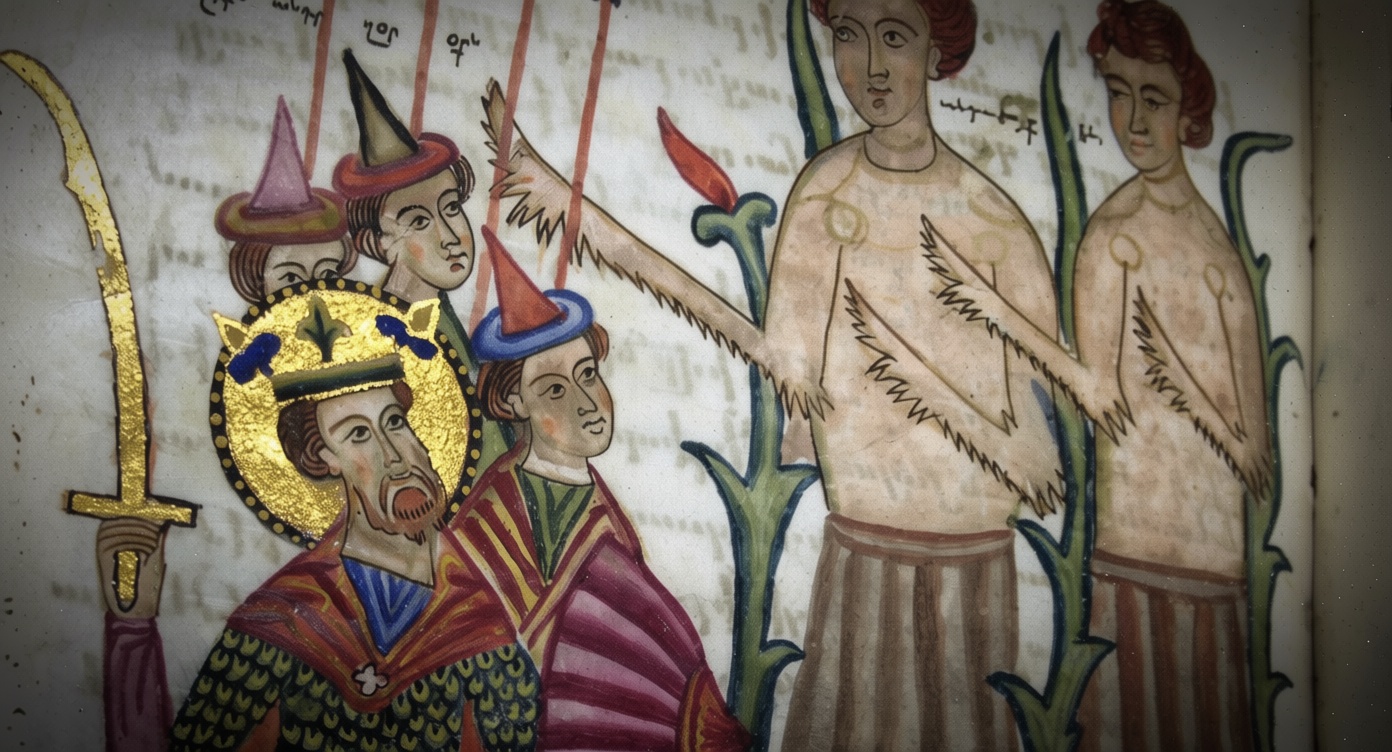
Archaeological records and medieval chronicles confirm that Munkholmen served as an execution site in the late 10th century. According to the Heimskringla, King Olav Tryggvason ordered the heads of Earl Håkon and his slave Kark to be impaled on spikes on the island in 995, using the display as a warning to rivals. The island’s isolated position made it a practical location for public deterrence; bodies were left exposed until they fell to the tide. While the physical evidence of these early executions is sparse, the narrative has endured in local folklore and is cited by scholars such as Professor Kari Larsen of the Norwegian Institute of Cultural History as “one of the earliest documented uses of Munkholmen for state‑sanctioned violence.”
Monastic Era and Transition to Prison
In the early 12th century, the Benedictine order established Nidarholm Mariakloster on the island, giving rise to the name “Munkholmen” (Monk’s Island). The monks sought seclusion for prayer, yet the site’s violent legacy persisted. Repeated fires—recorded in 1240, 1525 and 1623—devastated the stone structures, prompting contemporary observers to label the island as “cursed” or “soaked in blood.” By the mid‑1600s, the Danish‑Norwegian crown repurposed the ruins into a fortified state prison. Notable inmates included Count Peder Schumacher Griffenfeld, once the de‑facto ruler of Denmark‑Norway, who was detained there from 1676 to 1680 after falling from royal favour. Prisoners were housed in damp underground cells and small stone chambers, often chained to walls while the sea’s relentless crash echoed through the fortress.
Modern Perceptions and Reported Hauntings
Today, guided tours regularly recount the island’s grim past, and a growing number of locals claim to experience unexplained phenomena. “When the wind picks up, you can hear faint chanting that isn’t from any of the tour guides,” says Eirik Haugen, a Trondheim resident who has visited the island for over two decades. Folklorist Dr. Ingrid Sørensen of the University of Oslo notes that such reports “reflect a collective memory that intertwines historical trauma with the human tendency to personify place.” While no scientific study has verified the presence of paranormal activity, the stories contribute to Munkholmen’s reputation as a haunted landmark, drawing both skeptics and paranormal enthusiasts.
Preservation and Future Outlook
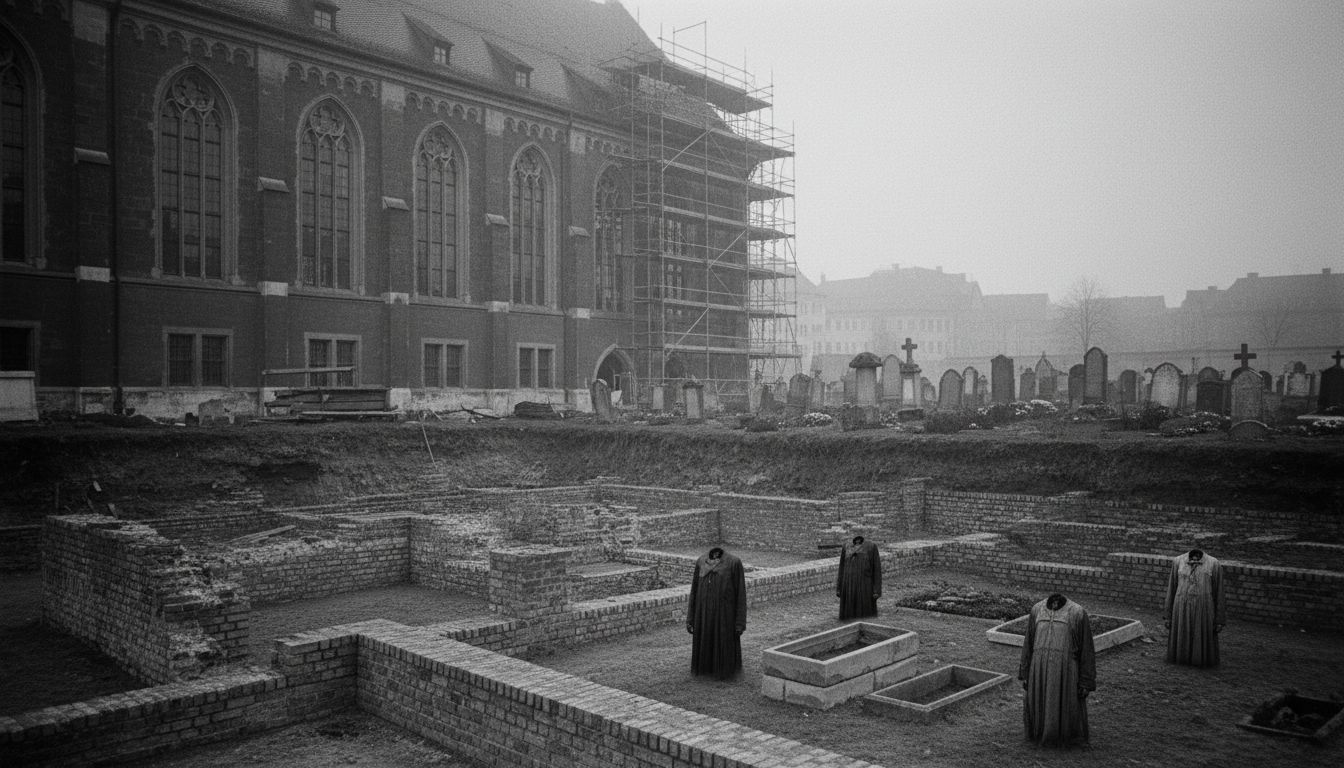
The municipality of Trondheim, in partnership with the Norwegian Directorate for Cultural Heritage, has earmarked funds for structural stabilization of the remaining fort walls and the restoration of the chapel foundations. Officials emphasize that preservation efforts aim to “honour the island’s complex past while ensuring safety for visitors,” according to Mayor Lise Berg. As the island prepares for a centennial commemoration of its prison closure in 2028, the dialogue between historical scholarship and local legend continues to shape public perception, reminding observers that Munkholmen’s story is as much about memory as it is about stone.