Overview
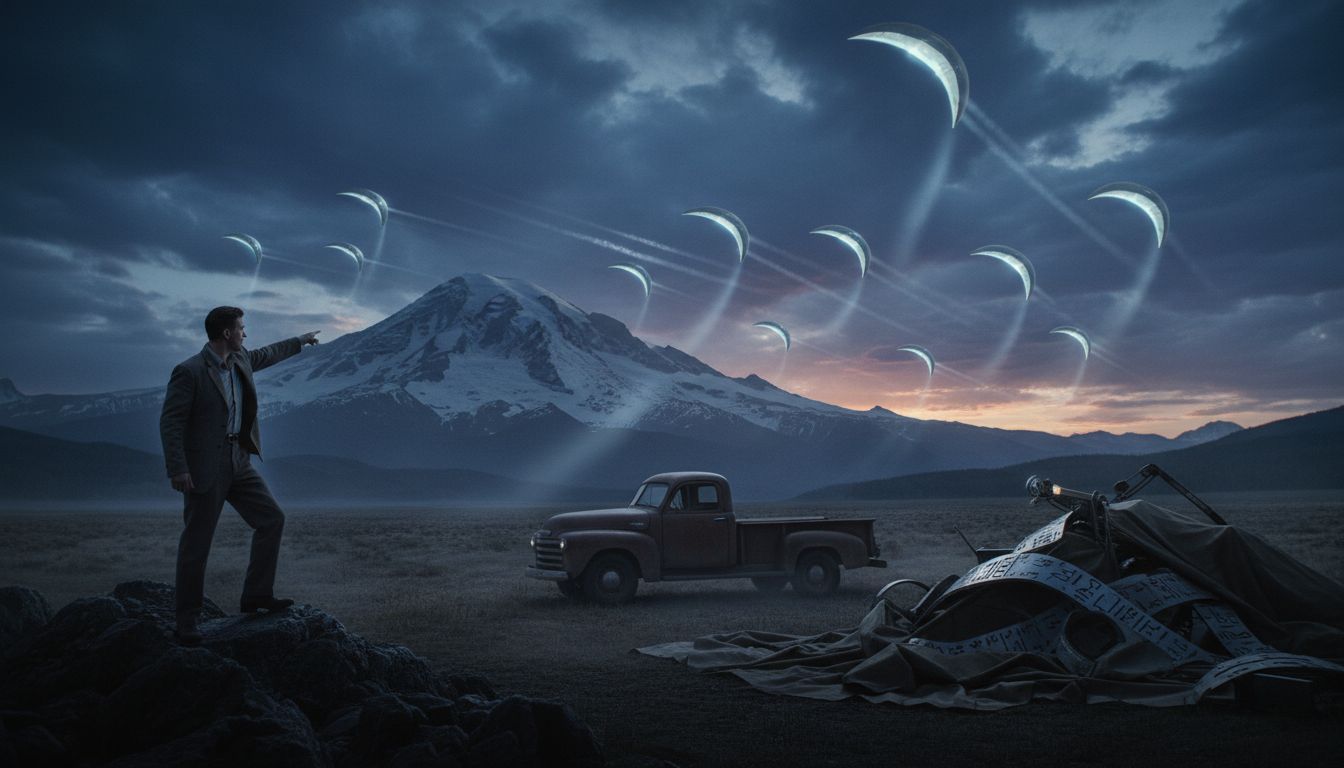
Since Kenneth Arnold’s June 1947 sighting of “nine shiny objects” near Mount Rainier, the United States has grappled with reports of unidentified aerial phenomena (UAP). Over the ensuing eight decades, the phenomenon has moved from fringe newspaper columns to formal government investigations, and it has left an indelible mark on American popular culture. The chronology outlined here draws on declassified documents, Pentagon briefings, and recent public statements to present a factual account of the nation’s evolving response to the mystery.
Early Sightings and Government Action
Arnold’s report sparked a wave of civilian sightings that culminated in the infamous Roswell debris incident of July 1947. Although the Army Air Forces later described the material as a weather balloon, the episode ignited public curiosity and prompted the first official study, Project Sign, in 1948. Project Sign’s analysts briefly entertained the “interplanetary” hypothesis before the program was restructured as Project Grudge (1949) and later Project Blue Book (1952‑1969). Blue Book documented 12,618 cases, concluding that most could be explained by conventional aircraft, weather, or optical illusion, while 701 remained “unidentified.”
Cold‑War Flashpoints
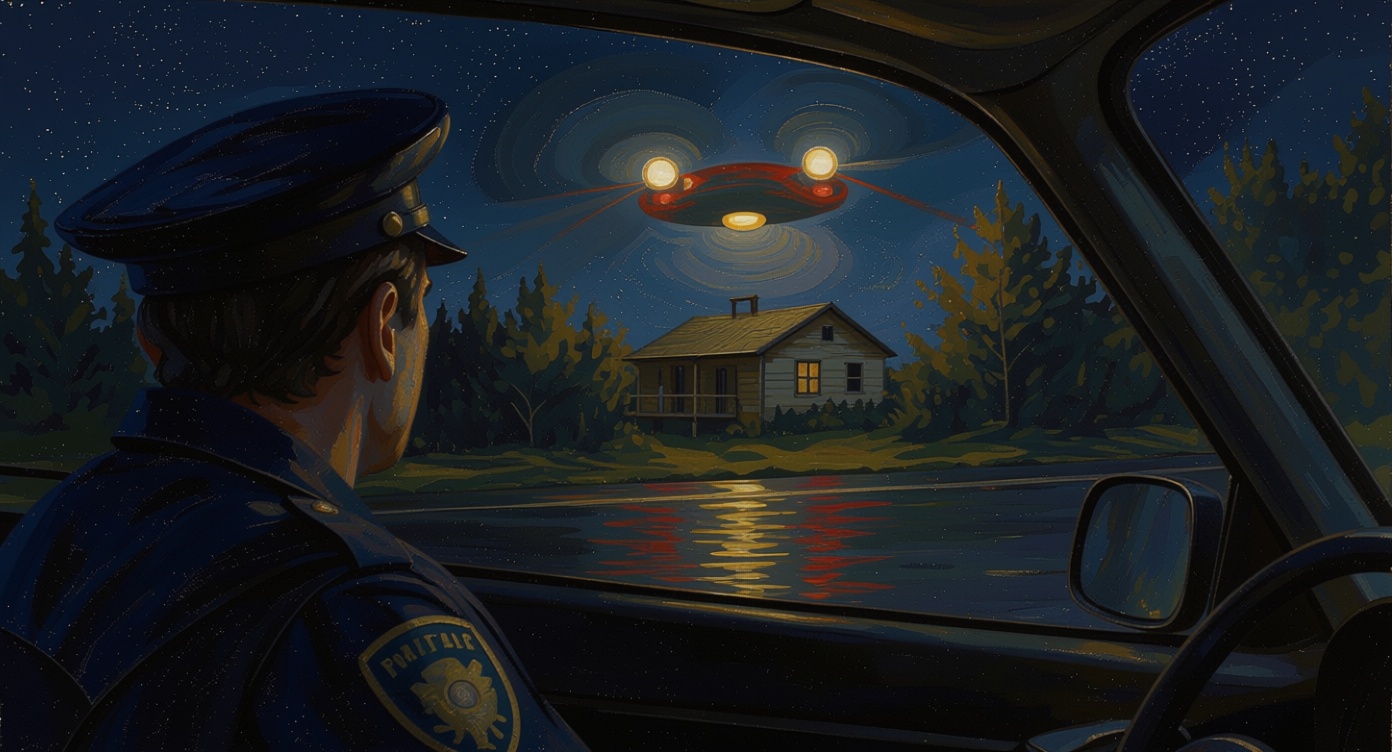
The early 1950s saw the most publicized UAP events, notably the February 1952 Washington, D.C. sightings where radar operators recorded multiple contacts over the capital. The Air Force attributed the blips to temperature inversions, but the episode reinforced the perception of a national security concern. Across the Atlantic, the 1980 Rendlesham Forest incident—often called “Britain’s Roswell”—produced eyewitness accounts of strange lights and a metallic, triangular craft near RAF Woodbridge. While the U.S. and U.K. governments classified the incident as “unexplained,” no conclusive evidence of extraterrestrial technology emerged.
Modern Pentagon Involvement
In the 2010s, the Navy released three classified videos—nicknamed “Gimbal,” “GoFast,” and “FLIR1”—showing fast‑moving objects that defied known aerodynamic limits. The footage prompted the establishment of the UAP Task Force in 2020, later expanded into the All‑Domain Anomaly Resolution Office (AARO). A 2023 congressional report alleged that “a limited number of UAP retrieval programs” existed, though details remained classified. In 2026, former President Barack Obama told a Senate hearing that “the data we have suggests phenomena that merit serious scientific inquiry,” while former President Donald Trump asserted, “I have been briefed on objects that are not of this Earth, and the public deserves transparency.” Both remarks underscored a bipartisan shift toward openness.
Cultural Reflections
UFO sightings have long inspired Hollywood. Steven Spielberg’s “Close Encounters of the Third Kind” (1977) and “E.T. the Extra‑Terrestrial” (1982) translated public fascination into box‑office success, shaping the visual lexicon of alien contact. More recently, documentaries such as The Phenomenon (2020) and streaming series like UFOs: The Untold Truth have blended archival footage with expert commentary, reinforcing the narrative that the UAP question sits at the intersection of science, defense, and mythology.
Looking Ahead
As the AARO prepares its first comprehensive public report slated for late 2026, the United States stands at a crossroads. The accumulated data—spanning nearly a century of sightings, investigations, and cultural output—offers a rare opportunity for multidisciplinary analysis. Whether future findings will confirm extraterrestrial origins, advanced terrestrial technology, or purely atmospheric phenomena remains uncertain. What is clear, however, is that the American UFO saga continues to shape policy, provoke scholarly debate, and capture the imagination of a nation still looking up.