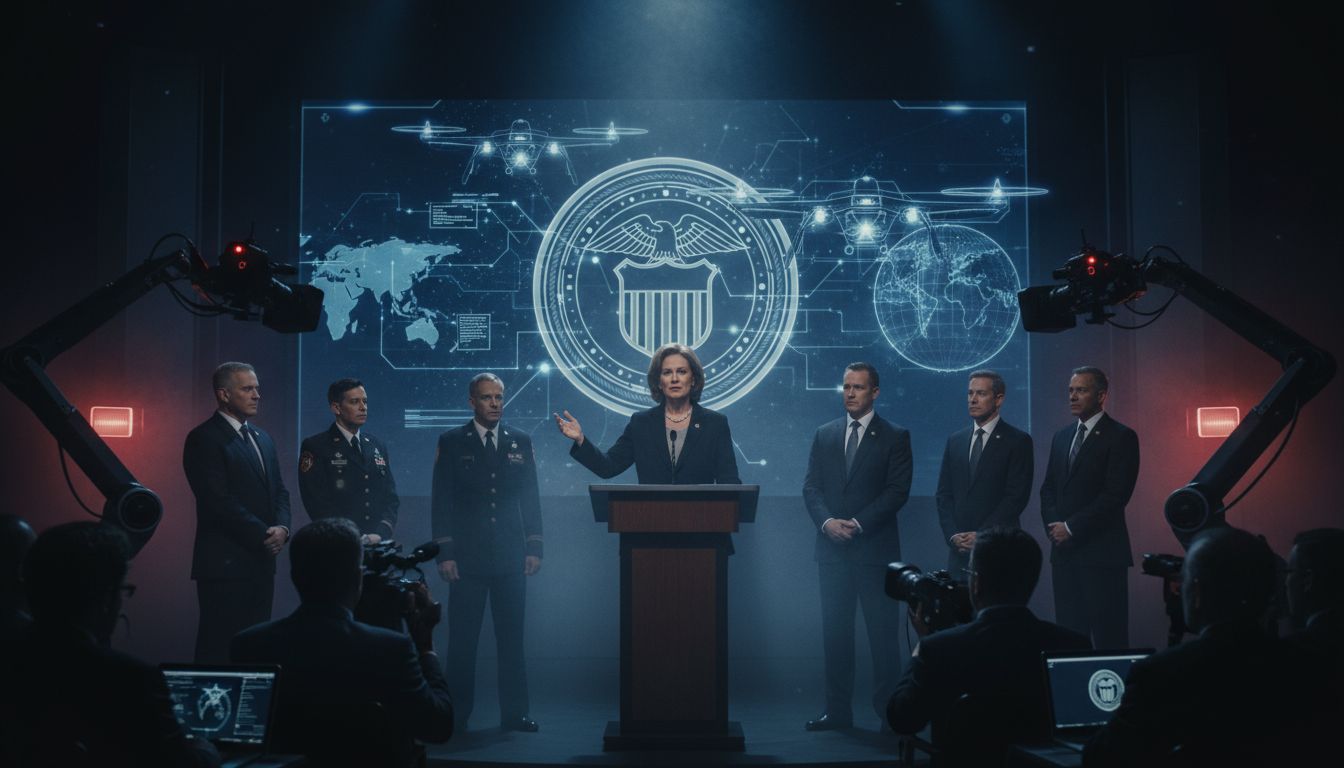
The Federal Bureau of Investigation has released new protocols aimed at strengthening the United States’ response to national security threats posed by unmanned systems, including both drones and unidentified anomalous phenomena (UAP). The announcement, highlighted in a tweet by investigative journalist Ross Coulthart and examined in detail by UAP researcher Hannibal, signals a notable shift in how federal agencies are addressing the increasing reports of unexplained aerial and underwater incursions over sensitive sites.
The new guidance reportedly draws a distinction between conventional unmanned aerial systems—such as commercial or hobbyist drones—and UAP, a term that covers not only unidentified flying objects but also anomalous underwater vehicles. The documents, which appear official in nature, represent what some are calling an admission that unlawful or unexplained activities involving unmanned vehicles are occurring over critical national security infrastructure. These sites include armories, National Guard facilities, spaceports, U.S. ports, and rail yards—locations that have experienced an uptick in drone and UAP-related incidents over the past year.
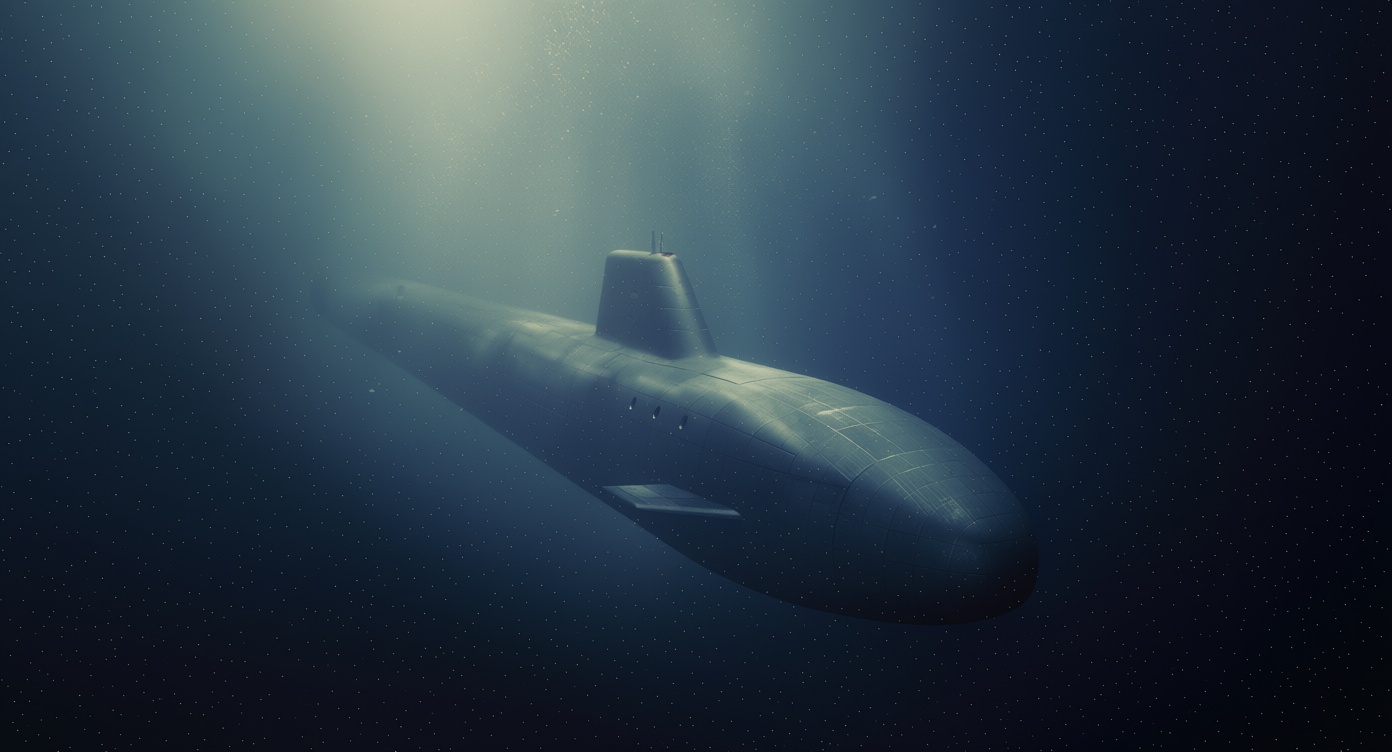
An intriguing element of the FBI’s updated protocols is their inclusion of underwater phenomena. The documents reference sightings of “bizarre craft” underwater, some reportedly as large as football fields and capable of moving at extraordinary speeds. While much of the public discussion around UAP has focused on aerial encounters, these references to underwater anomalies broaden the scope of official interest and concern. According to Hannibal, “most of these UAPs actually go underwater too,” hinting at a multidomain challenge for security agencies.
The video also revisits last year’s surge in drone activity, which led to temporary closures at certain Air Force bases and prompted anxiety among local officials and citizens. According to government statements at the time, the majority of these drone overflights were attributed to FAA-approved operations. However, as Hannibal points out, the lack of timely community warnings and the scale of the response suggested deeper uncertainties about the origin and intent of some of the incursions. “If they were all FAA approved, why would they let citizens freak out like they did and mayors freak out like they did?” Hannibal asks, raising questions about communication and oversight.
The FBI’s renewed engagement comes amid ongoing debate about the origins of these phenomena. Elected officials like Congressman Tim Burchett have speculated that some incidents may be linked to foreign adversaries such as China, while others believe that genuine UAP—objects not attributable to known technologies—are involved. The chaotic environment last year, with government, civilian, and law enforcement drones all in the air, has complicated efforts to attribute specific incidents. According to Hannibal’s estimate, “maybe 5% of it was actual unknown stuff” that remains unresolved.
As the federal government continues to refine its approach, observers note that the FBI’s involvement may signal a more coordinated and transparent response to UAP and drone incursions. With ongoing interviews and research—such as upcoming discussions with experts like Avi Loeb—the issue remains at the forefront of national security and public interest, highlighting the need for robust protocols and open communication as new aerial and underwater threats emerge.