Overview
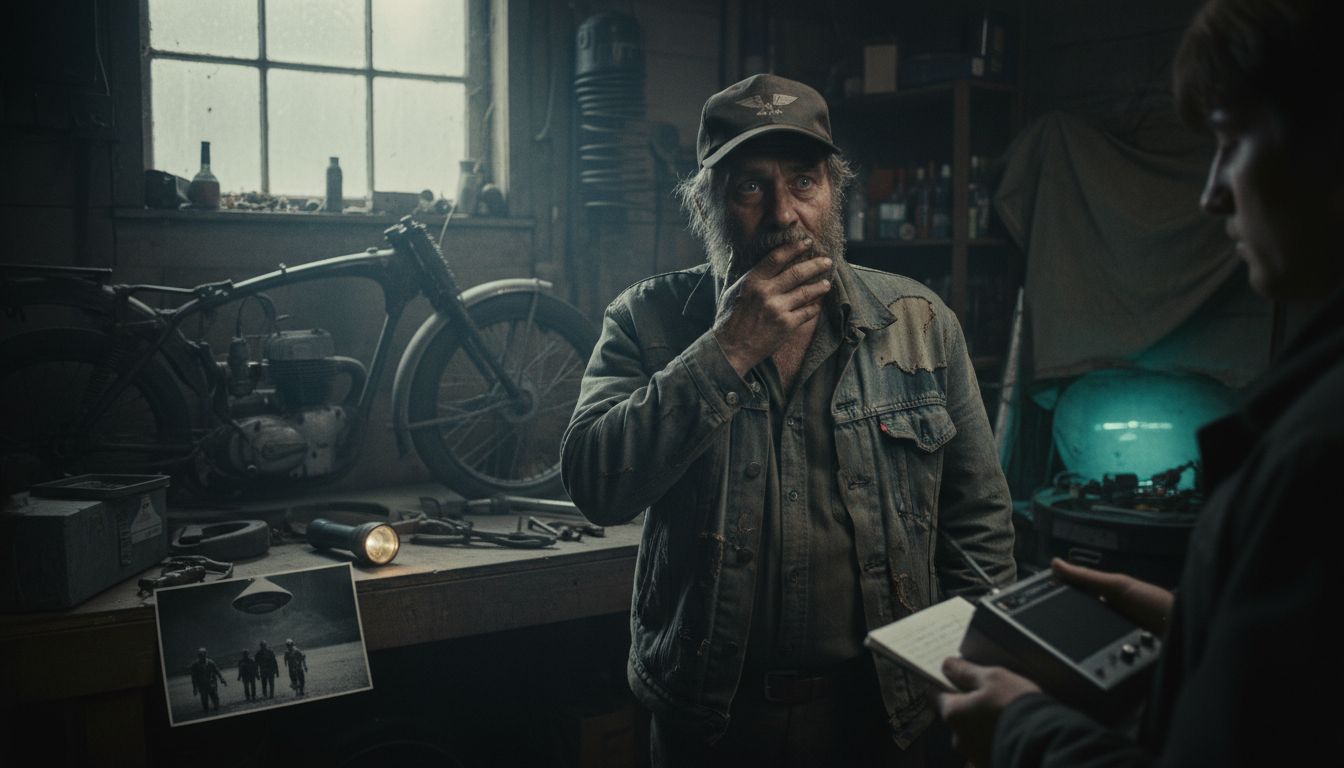
A video released this week by broadcast‑film maker Simon Holland features the first public testimony of Barry, a former United States Air Force mechanic who served at Lakenheath Air Base in the United Kingdom during the mid‑1980s. In a recorded interview posted to YouTube, Barry describes multiple encounters with UAP (Unidentified Aerial Phenomena) and what he characterises as “cryptid” entities observed while performing routine maintenance on aircraft. The interview marks the first time the former airman has spoken openly after reportedly being “silenced” by military interrogators for more than four decades.
Background
Lakenheath, home to the 48th Fighter Wing and a hub for U.S. strategic air operations in Europe, has been the subject of sporadic UFO reports since the Cold War. The Department of Defense (DoD) formally acknowledged the existence of an Unidentified Aerial Phenomena Task Force (now the All‑Domain Anomaly Resolution Office, AARO) in 2020, but most historical accounts remain classified or unverified. Barry’s claim adds a personal dimension to the broader pattern of service‑member testimonies that have surfaced in recent years, including reports from Navy pilots and radar operators.
Witness Account
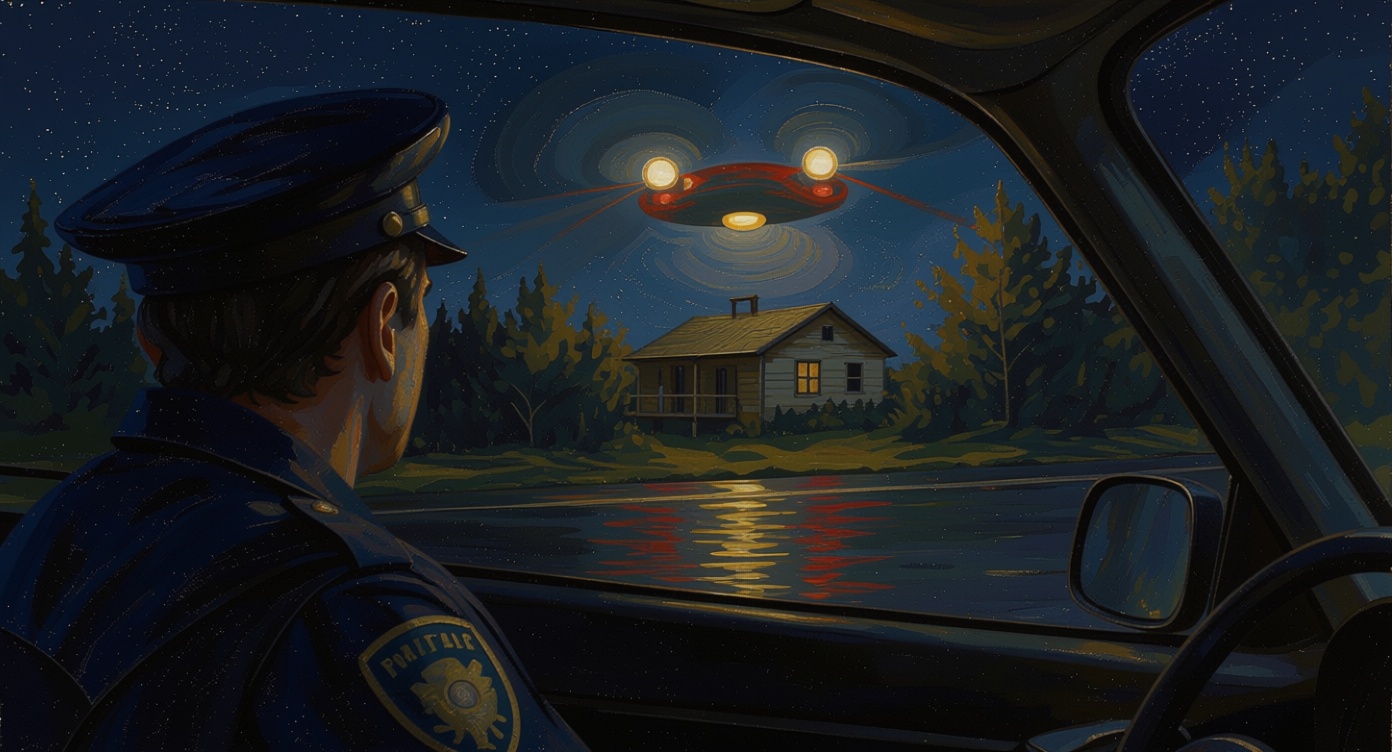
According to the video, Barry recounts a series of incidents between 1984 and 1986. He describes a “silvery, disc‑shaped object” hovering low over the flight line, emitting a low‑frequency hum that interfered with aircraft instrumentation. On one occasion, he says a “large, bipedal silhouette” emerged from the craft’s shadow, moving silently across the tarmac before disappearing. Barry recalls being questioned by base security officials after the events, noting, “They told me not to talk about it, that it would be a matter of national security.” He adds that he signed a non‑disclosure agreement under pressure and was transferred to a different assignment shortly thereafter.
Official Response and DoD Secrecy
The United States Air Force has not issued a formal statement regarding Barry’s specific allegations. A spokesperson for the AARO declined to comment on individual cases, citing ongoing investigations and the need to protect classified information. Legal analysts note that the DoD’s historical use of “need‑to‑know” briefings and non‑disclosure agreements has often limited former personnel from discussing UAP encounters, a practice that has drawn criticism from congressional oversight committees. Recent hearings have called for greater transparency, arguing that prolonged secrecy may erode public trust and impede scientific inquiry.
Implications
If Barry’s testimony proves credible, it could expand the evidentiary base for UAP research by introducing observations of possible biological or “cryptid” entities—an aspect rarely documented in official reports. The account also raises questions about the scope of military debriefings and the mechanisms used to suppress information. Researchers caution against sensationalizing the narrative, emphasizing the need for corroborating data such as radar logs, maintenance records, or additional eyewitnesses. Nonetheless, the video has already sparked renewed discussion among UFO scholars, defense policy experts, and the broader public about the balance between national security and the right to know.
Next Steps
Simon Holland’s documentary team plans to release a follow‑up segment that will seek corroboration from other Lakenheath veterans and request any available flight‑line logs from the period in question. Meanwhile, advocacy groups are urging the Congressional Intelligence Committee to include Barry’s statements in its upcoming review of AARO’s findings. As the conversation unfolds, the case underscores a growing demand for systematic, transparent investigation of anomalous aerial events—whether they stem from advanced technology, natural phenomena, or as yet unidentified sources.