Overview
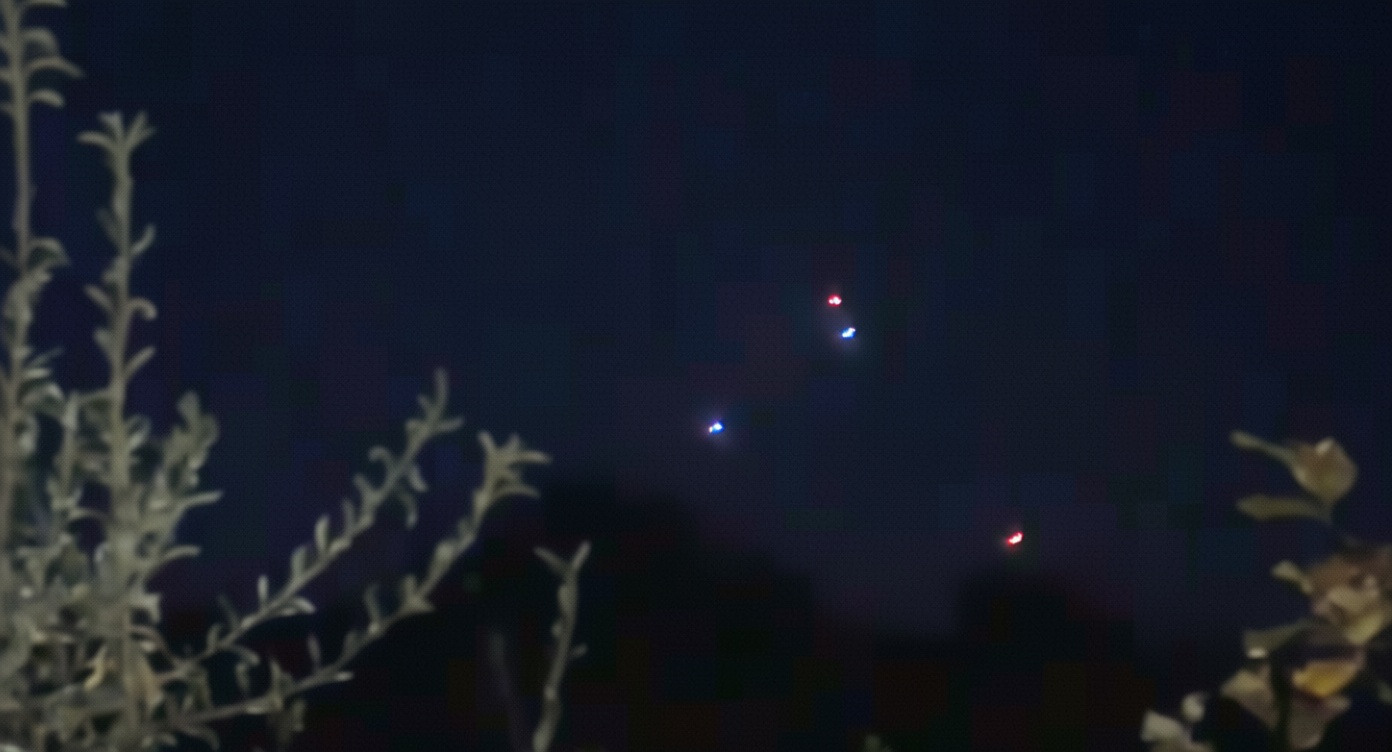
On April 30, 2026, Rep. Anna Paulina Luna, chair of the House Task Force on the Declassification of Federal Secrets, told a national audience that the United States is “on the cusp of receiving long‑suppressed answers” about non‑human intelligence operating on Earth. Speaking on The Joe Rogan Experience and in other high‑profile venues, Luna rejected the conventional “alien from another planet” label, describing the phenomena as interdimensional beings that exist outside ordinary space‑time. “I have observed things that are of non‑human origin and creation,” she said, adding, “I don’t call them aliens.” Her remarks arrive amid mounting congressional pressure to unveil details of secret UAP (unidentified aerial phenomena) programs that have been hidden for decades.
Congressional Push for Transparency
Luna’s statements reflect a broader legislative effort spearheaded by the House task force, which has already secured the release of several classified reports and compelled the Pentagon to acknowledge the existence of a “UAP threat.” The task force’s mandate includes reviewing the legacy crash‑retrieval program that former intelligence officer Matthew James Sullivan was slated to discuss before Congress. Luna emphasized that the administration’s “stonewalling” has delayed answers that the American public “deserves,” and she pledged to push for hearings that could finally expose the scope of any interdimensional or non‑human technology in U.S. custody.
The Sullivan Death Raises New Questions
Matthew James Sullivan, a 39‑year‑old Bronze Star recipient who served with the National Air and Space Intelligence Center and the National Security Agency, was found dead at his Falls Church, Virginia home on May 12, 2024. The official autopsy listed an “accidental overdose” involving alcohol, Xanax (alprazolam), a muscle relaxant, and imipramine—a medication typically prescribed for pediatric anxiety and bedwetting. Critics within the UAP community argue that the timing is “convenient for the gatekeepers of the legacy UFO program.” Sullivan had reportedly “seen the craft” and was prepared to testify about secret crash‑retrieval operations that whistleblowers such as David Grusch have only hinted at. His scheduled testimony was cancelled, and the hearings proceeded without his input, prompting renewed calls for an independent review of the circumstances surrounding his death.
Community Reaction and Calls for Accountability
UAP researchers and former insiders have voiced skepticism about the overdose ruling, describing it as “a narrative that fits the pattern of past silencing tactics.” Several sources close to the investigation claim that Sullivan’s forensic evidence showed inconsistencies, though no formal re‑examination has been ordered. Advocacy groups are now urging the Department of Justice to reopen the case, citing the need for transparency not only in the alleged crash‑retrieval program but also in how potential witnesses are treated. “If the government is truly moving toward disclosure, it must also demonstrate that it will protect those who come forward,” said a senior analyst at the UAP Transparency Initiative.
Broader Context: Technology, Science, and Public Interest
The push for UAP disclosure coincides with other significant developments in national security and science. Earlier this week, The Information reported that Google has joined OpenAI and xAI in providing AI models for classified Pentagon work, a move that could accelerate data analysis of UAP sensor logs. Meanwhile, unrelated scientific studies—such as a University of Montreal hypothesis linking Neanderthal extinction to social network fragility—highlight the growing public appetite for explanations that go beyond simplistic narratives. As lawmakers, intelligence officials, and private‑sector technologists converge on the issue, the expectation is that any forthcoming revelations will be scrutinized through rigorous, evidence‑based processes rather than sensational speculation.
Looking Ahead
Rep. Luna’s promise of imminent answers places a spotlight on the administration’s willingness to confront a topic long shrouded in secrecy. The unresolved questions surrounding Matthew James Sullivan’s death add urgency to calls for an independent, transparent inquiry. If Congress can secure both the release of classified UAP data and a credible investigation into the treatment of potential whistleblowers, the United States may finally move past conjecture toward a factual understanding of non‑human, possibly interdimensional, phenomena. Until then, the interplay of politics, intelligence, and emerging technologies will continue to shape the national conversation on what, exactly, is out there.