Overview
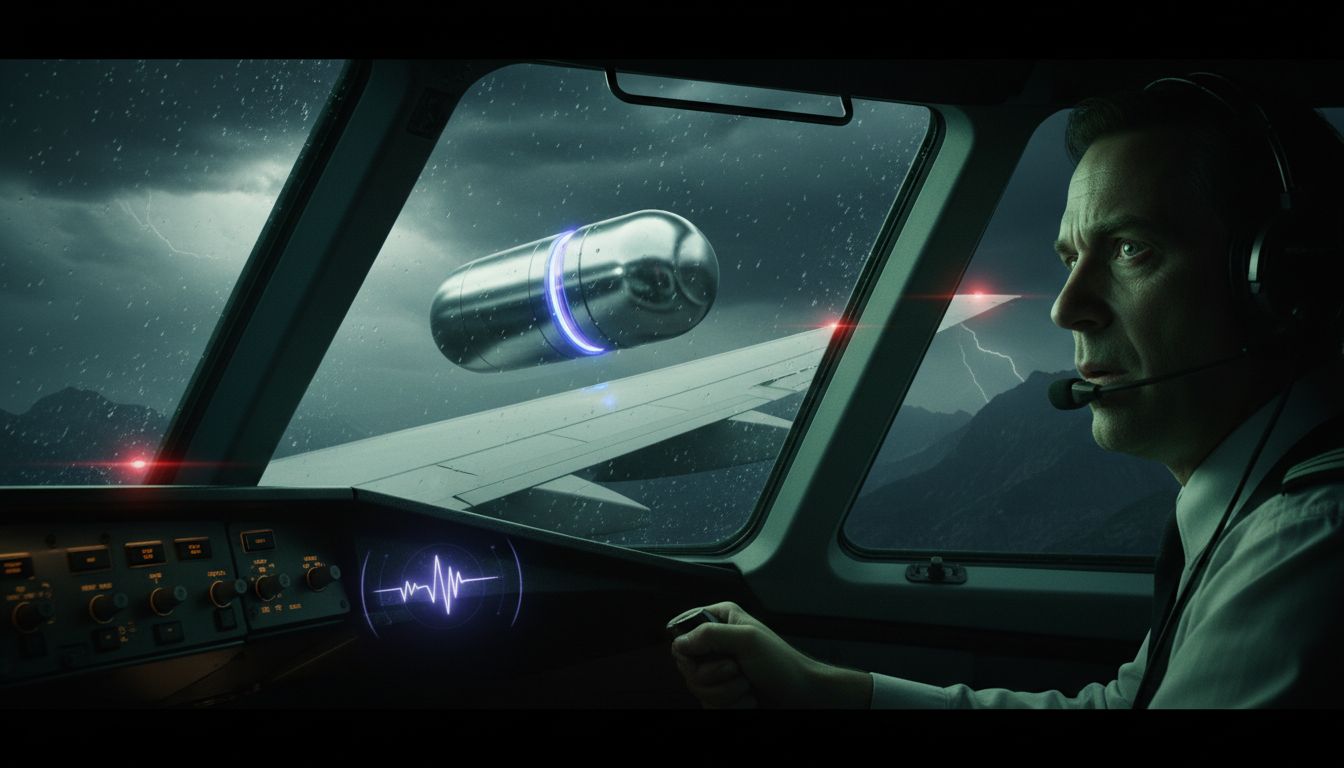
A private‑pilot flight over Rhode Island on October 27 2025 captured a rare exchange between a pilot and air‑traffic control (ATC) after the aircraft encountered an unidentified aerial phenomenon (UAP). The pilot, flying a Piper PA‑32RT‑300T Turbo Lance II, reported a “small silver canister” hovering just off the wingtip at an altitude of 3,500 feet. The brief, recorded ATC transmission—later posted by the VASAviation YouTube channel—shows controllers responding with a mix of curiosity and humor, including the now‑viral line, “Good luck with the aliens.”
Key Details of the Encounter
During the approach, the pilot described the object as “standing still” and “just feet from the plane.” The exact wording, taken from the audio, was:
“Looks like a strange, small object that we just floated by. A small silver canister. Do you know what that could be?”
ATC replied that they had no information on the sighting and asked for clarification. The pilot reiterated that the object was not attached to any known aircraft or balloon and seemed to be hovering independently. After a brief pause, a controller responded, “Creepy!,” followed by another controller’s light‑hearted remark, “Good luck with the aliens!” The exchange, lasting less than a minute, was captured on a live ATC feed and subsequently uploaded to YouTube, where it has amassed thousands of views and widespread discussion on social media.
Aviation Safety Context
UAP sightings near commercial and private flight paths have been documented by the Federal Aviation Administration (FAA) and the Department of Defense for years, prompting the creation of the Unidentified Aerial Phenomena Task Force in 2020. While most reported incidents involve high‑altitude objects or radar returns, this case is notable for its proximity—just a few feet from a moving aircraft—raising legitimate safety concerns. Experts from the Aviation Safety Reporting System (ASRS) note that any unexpected object near an aircraft’s wing can pose a collision risk, especially if the object’s size, mass, or trajectory are unknown.
The FAA has not yet released an official statement on this specific event, and a request for comment remains unanswered. Historically, the agency advises pilots to maintain situational awareness, report sightings promptly, and, when possible, adjust flight paths to avoid potential hazards. The incident underscores the importance of real‑time communication between pilots and controllers when anomalous objects appear in shared airspace.
Reactions from the Aviation Community
The VASAviation channel, which curates ATC recordings for public consumption, highlighted the clip as an example of “creepy” yet routine reporting procedures. Aviation forums such as AvWeb and the Pilot’s Forum have seen a surge of discussion, with many pilots emphasizing the need for clear protocols when encountering UAPs. Some commenters expressed concern over the casual tone of the controllers’ response, suggesting that humor, while humanizing, could detract from the seriousness of a potential safety threat. Others pointed out that ATC personnel are trained to remain calm and provide pilots with the information they have, even when that information is limited.
Broader Implications
Incidents like the Rhode Island sighting contribute to ongoing debates about the transparency of UAP data and the resources allocated to investigate them. Congressional hearings in recent years have called for more systematic collection of pilot reports, and the FAA has begun integrating UAP reporting tools into its existing safety databases. While the “silver canister” remains unidentified, its documentation adds to a growing catalog of near‑misses that could inform future guidelines for both civilian and military aviation.
As the clip continues to circulate online, the episode serves as a reminder that unexplained aerial objects, regardless of their appearance, are a real operational consideration for pilots and controllers alike. Ongoing monitoring, thorough reporting, and continued research are essential to ensure that such encounters do not compromise the safety of the national airspace system.


