Overview
A renewed campaign to declassify the 1980 Rendlesham Forest UFO files has emerged amid a broader push for UAP transparency in the United States. Filmmaker and longtime researcher Mark Christopher Lee is now urging British Prime Minister Keir Starmer to order the full release of the remaining classified documents tied to the December‑1980 sightings near the former U.S. Air Force bases at RAF Woodbridge and RAF Bentwaters. Lee’s appeal coincides with President Donald Trump’s recent statements favoring complete disclosure of American UAP material, a development that has energized advocacy groups on both sides of the Atlantic.
Historical Context
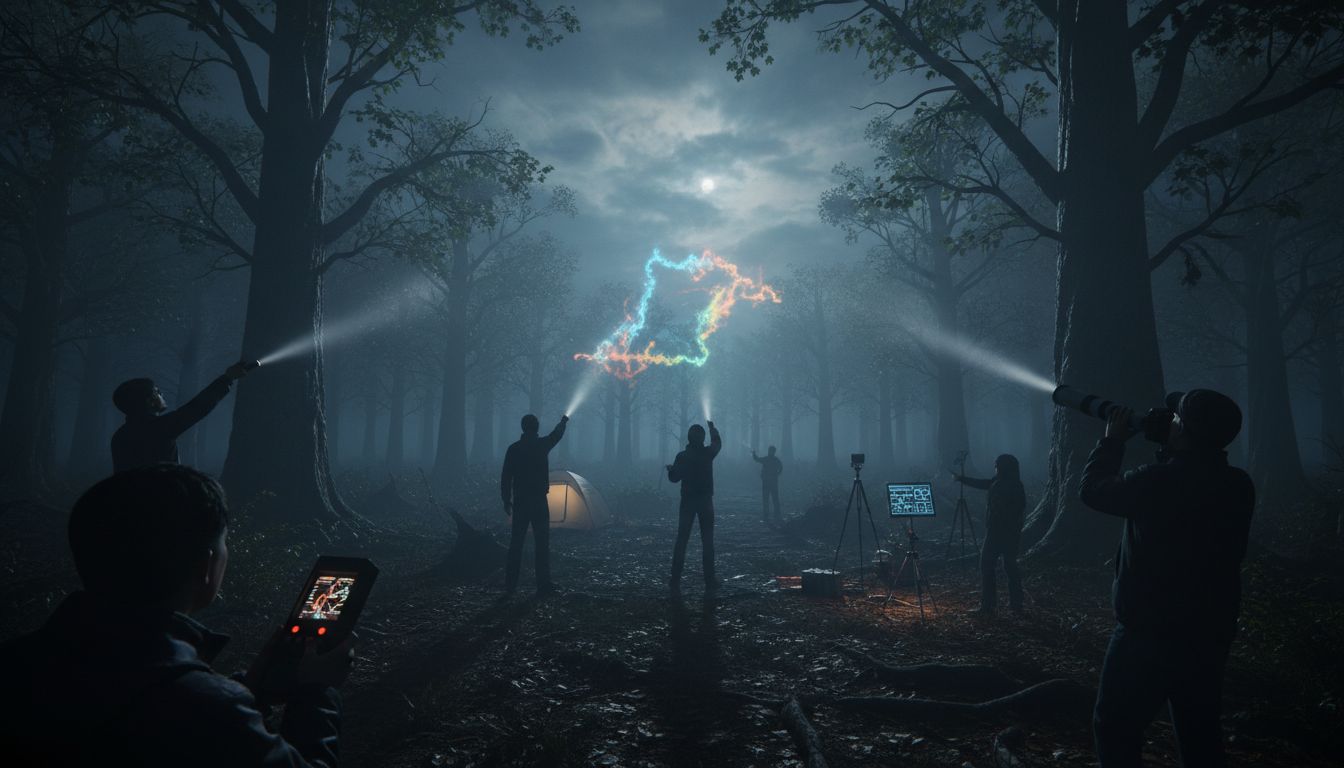
The Rendlesham incident unfolded over the Christmas weekend of 1980, when service personnel from the two U.S. bases reported a series of luminous objects moving through the forest, followed by a bright, pulsating light that allegedly landed near a clearing. Deputy base commander Charles Halt documented the events in a memo that has since become iconic among UFO researchers. The memo describes “unidentified aerial phenomena” and notes physical traces—indentations in the ground and burned vegetation—observed by the witnesses.
In the years that followed, the British Ministry of Defence released a limited set of files in 2017, but many key logs, sensor readouts, and interview transcripts remain classified. The case has become a touchstone in British UFO lore, often dubbed the “British Roswell,” and has inspired numerous documentaries, books, and online discussions, including a surge of posts under the #uapdisclosure hashtag on social media.
New Push for Disclosure
Lee’s latest documentary, “The Rendlesham UFO – The British Roswell,” revisits original witness testimony and incorporates newly uncovered material from private archives. In a recent interview, Lee said, “The public has a right to see the full record, especially when it involves trained military personnel and official documentation.” He added that the U.S. government’s willingness to release additional UAP data under the Trump administration creates a diplomatic precedent that the United Kingdom should follow.
Lee is calling on Starmer to direct the Ministry of Defence to “order a comprehensive review and release of all classified material related to the 1980 events, including radar logs, night‑vision footage, and the full Halt memorandum.” He argues that transparency would not only address longstanding public curiosity but also bolster confidence in the government’s handling of national‑security‑related anomalies.
Reactions from Experts and Skeptics
A spokesperson for the Parliamentary Office of Science and Technology (POST) noted that while the UK has a “robust process for assessing classified information,” any release would need to balance national security concerns with public interest. “We have already declassified a substantial portion of the Rendlesham files,” the spokesperson said, “but further releases would be considered on a case‑by‑case basis.”
Skeptical analysts continue to attribute the lights to conventional sources such as flaring aircraft, atmospheric phenomena, or misidentified navigation beacons. Dr. Helen Murray, a senior lecturer in aerospace engineering at the University of Southampton, remarked, “The presence of trained military observers does not automatically validate an extraterrestrial hypothesis; systematic analysis of sensor data is essential.”
Nonetheless, the UFO research community remains largely supportive of Lee’s request. The UFO Research Association (UFORA) issued a statement praising the “timely push for full disclosure” and urging the government to avoid “the appearance of a cover‑up.”
Outlook
As the United Kingdom prepares for its next parliamentary session, the question of whether Prime Minister Starmer will act on Lee’s appeal hangs in the balance. If the government moves forward, the release could provide unprecedented insight into one of the most documented UFO encounters in British history, potentially reshaping public discourse on unidentified aerial phenomena. Until then, the Rendlesham Forest case remains a focal point for both advocates of transparency and those urging caution, illustrating the enduring tension between national security imperatives and the public’s demand for openness.


