Overview
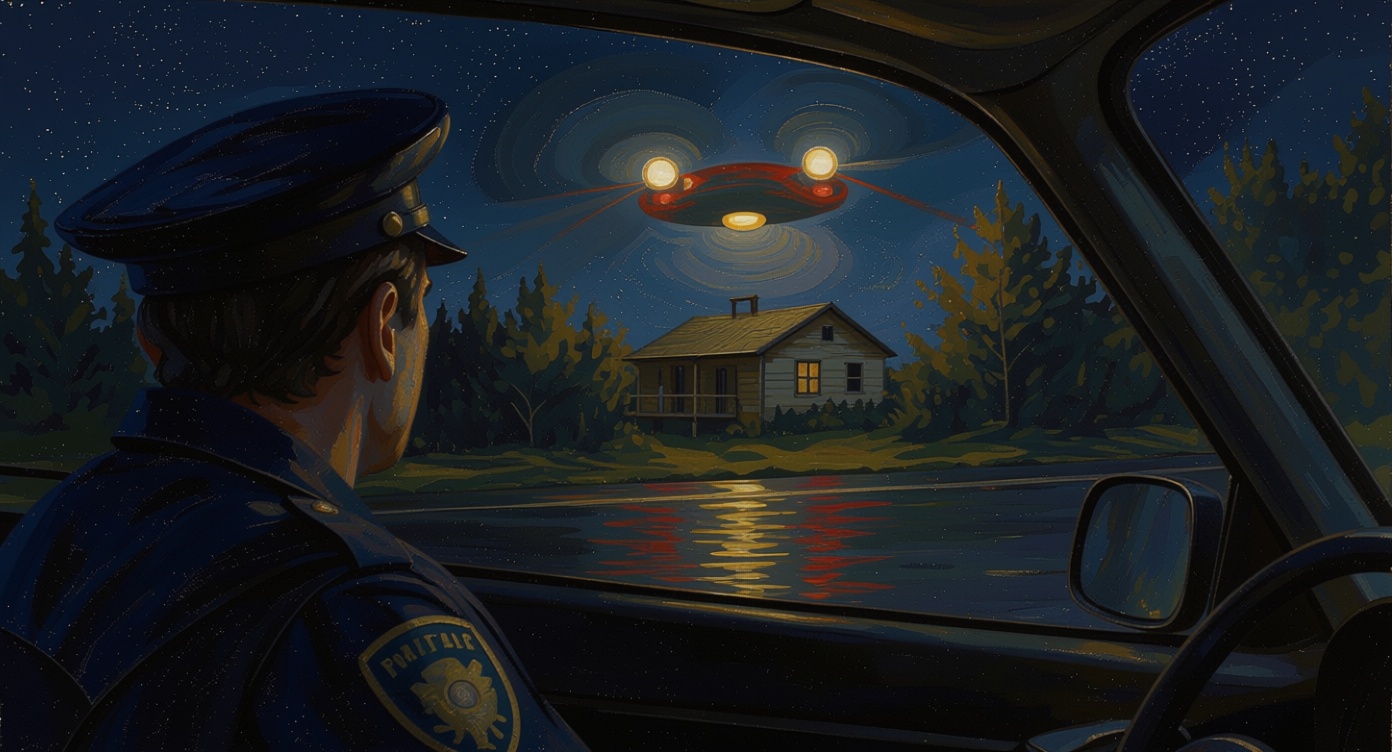
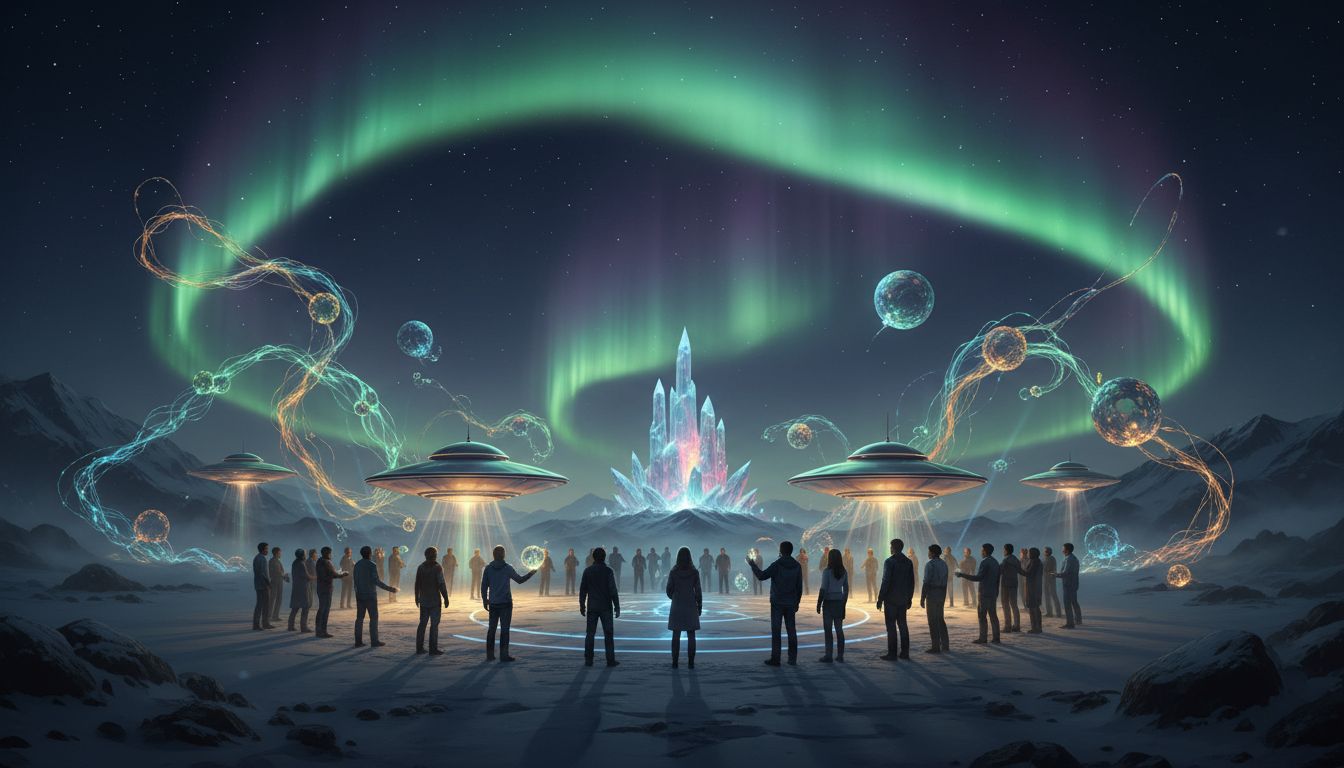
Over the past month, a cluster of eyewitness reports has emerged linking peaceful UFO contact experiences with auroral displays in high‑latitude regions. The accounts, posted publicly on the social platform X, describe luminous crafts that appear in concert with the shimmering curtains of the Northern Lights, emitting “resonant” lights and conveying messages of unity and planetary stewardship. While the phenomenon remains unverified by mainstream scientific bodies, the convergence of natural atmospheric activity and anomalous sightings is prompting renewed scrutiny from both UFO researchers and atmospheric scientists.
Witness Accounts
The first reports appeared on 2 November from residents of Tromsø, Norway, who noted a “soft, harmonic glow” emanating from a disc‑shaped object that hovered just above the auroral arc. One experiencer, who posted under the handle @ArcticWatcher, wrote:
“The lights weren’t just the aurora – they pulsed in a rhythm that seemed almost musical. The craft glided silently, and a feeling of calm washed over the crowd. It felt like a message of togetherness, not a threat.”
Similar narratives have surfaced from Fairbanks, Alaska (5 Nov), Yellowknife, Canada (9 Nov), and Kiruna, Sweden (12 Nov). In each case, observers reported “resonant” or “harmonized” lighting that appeared to synchronize with the auroral curtains, and many described a sense of emotional uplift or an intuitive impression that the encounter was meant to promote unity among humanity. The posts have been retweeted hundreds of times, sparking discussion among both ufology circles and the general public.
Scientific Perspective
Auroras are produced when charged particles from the solar wind collide with Earth’s upper atmosphere, exciting oxygen and nitrogen atoms to emit light. Dr. Lena Kaur, a space‑weather researcher at the University of Oslo, notes that the intense ionospheric disturbances accompanying strong auroral events can affect human perception:
“The aurora creates rapid fluctuations in the geomagnetic field and can induce low‑frequency electromagnetic vibrations. Some people are more sensitive to these changes, which may heighten visual or auditory experiences.”
Dr. Kaur cautions that while electromagnetic interference could plausibly influence the brain’s processing of visual stimuli, it does not constitute evidence of extraterrestrial craft. She emphasizes the need for systematic data collection, including magnetometer readings and photographic documentation, to differentiate between atmospheric optics and potential anomalous objects.
Correlation Analysis
UFO research organization MUFON has logged 27 reports of “aurora‑linked contacts” between 1 November and 15 November, a notable uptick compared with the average of five such reports per year. Preliminary statistical analysis shows a significant temporal overlap with periods of high geomagnetic activity (Kp index ≥ 7). However, researchers such as veteran ufologist Dr. Carlos Méndez stress that correlation does not imply causation:
“The coincidence is intriguing, but we must rule out conventional explanations—satellite re‑entries, high‑altitude balloons, or even coordinated light shows—before invoking an extraterrestrial hypothesis.”
To that end, a joint task force of the International Space Environment Service (ISES) and the Center for UFO Studies (CUFOS) has been formed to cross‑reference eyewitness timestamps with satellite telemetry and ground‑based auroral imaging. Early findings indicate that four of the reported sightings occurred in regions where no known satellite passes were recorded, leaving a small subset of events unexplained by current data.
Implications and Next Steps
The convergence of peaceful, message‑oriented contact narratives with a natural, awe‑inspiring phenomenon has reignited debate over the role of human consciousness in interpreting anomalous events. Sociologist Dr. Maya Patel of the University of British Columbia observes that the collective framing of these encounters as “unity‑promoting” may reflect contemporary cultural anxieties about division and climate change:
“When people experience something extraordinary during a spectacular natural display, they often project hopes and values onto it. The emphasis on unity could be a societal coping mechanism as much as a literal transmission.”
Nevertheless, the reports have prompted calls for more rigorous field investigations during future auroral storms. Planned initiatives include deploying portable all‑sky cameras and magnetometers in known auroral hotspots, and establishing a real‑time reporting portal for witnesses. As the scientific community awaits concrete data, the dialogue between researchers, experiencers, and the public underscores a shared curiosity about where the boundaries of natural phenomena and unexplained aerial events truly lie.