Overview
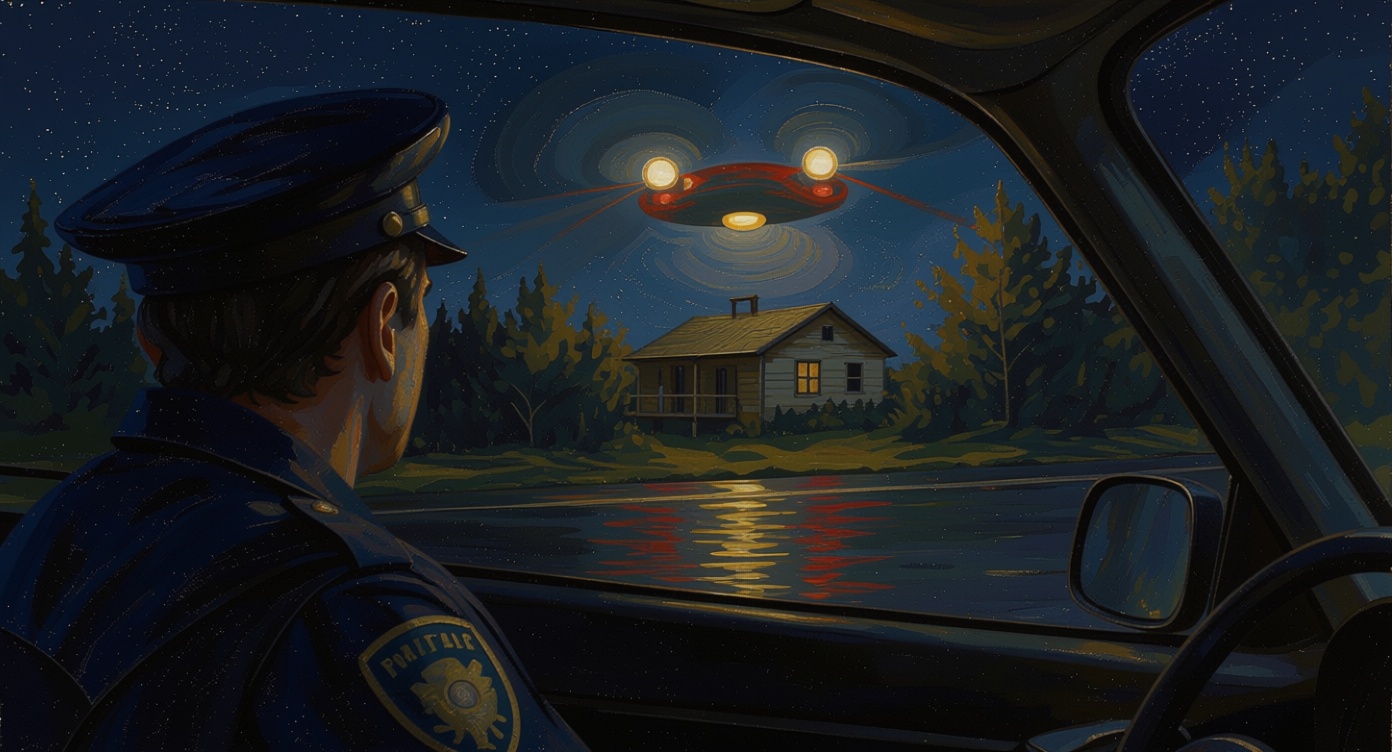
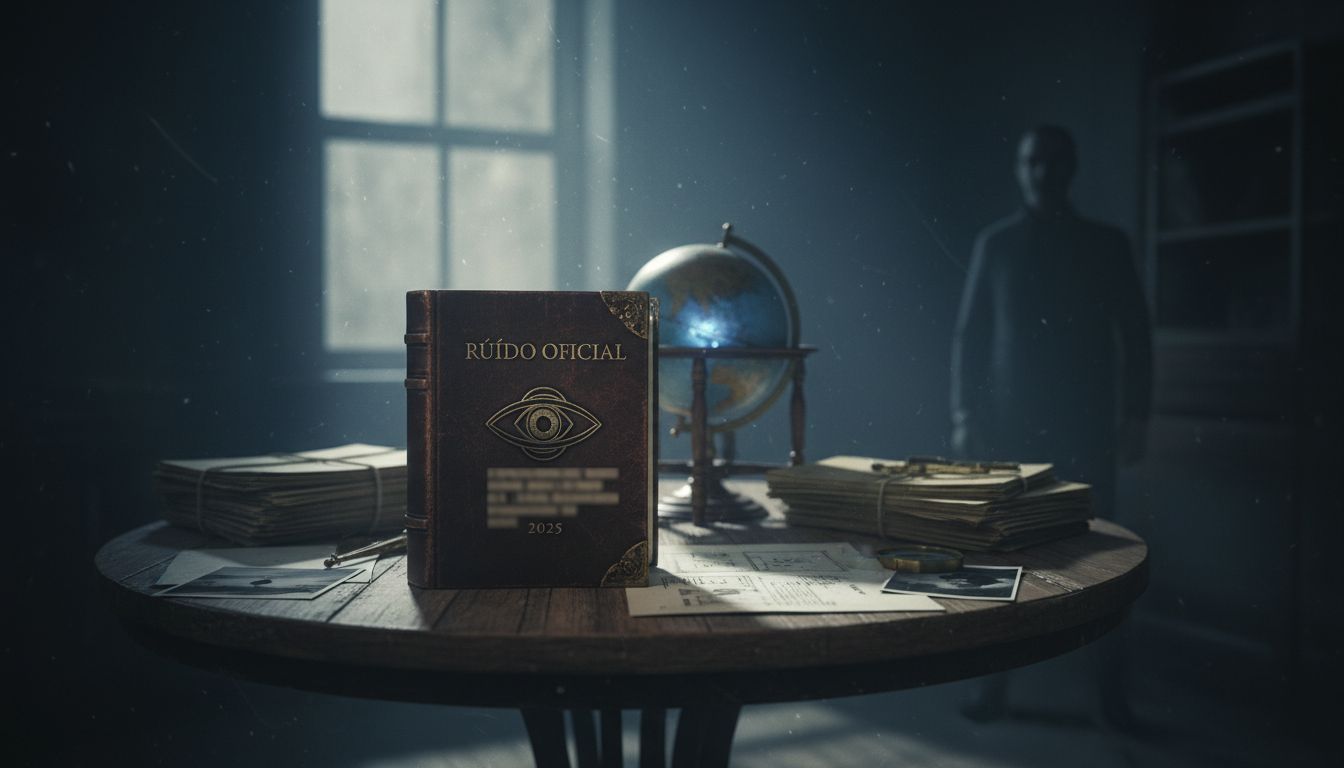
The new volume “Ruído Oficial: Como a CIA Manipulou a Ufologia” by investigative writer Gustavo Cornaccioni was released on 30 September 2025 by Edições Cosmos. Drawing on dozens of documents declassified through the United States Freedom of Information Act (FOIA), the book argues that the Central Intelligence Agency conducted a systematic disinformation campaign against unidentified aerial phenomena (UAP) during the Cold War. According to Cornaccioni, the CIA’s objective was to “turn UFOs into a weapon of social control,” using ridicule and selective secrecy to shape public perception while shielding advanced American aerospace projects.
Key Findings
Cornaccioni’s research points to three intertwined strategies employed by the CIA. First, the agency allegedly funded and directed media narratives that portrayed UFO sightings as hoaxes or fringe fantasies, thereby marginalizing serious scientific inquiry. Second, internal memos—released under FOIA—suggest that the CIA deliberately injected false “evidence” into the public record, a tactic the author links to the infamous Project Blue Book investigations. Third, the book contends that high‑profile incidents such as the 1947 Roswell crash were used as “noise” to distract attention from classified aeronautical developments, including early reconnaissance drones and high‑altitude balloons.
Historical Context
The United States’ interest in aerial anomalies dates back to the post‑World‑War II era, when both the military and intelligence services feared that Soviet advances could be hidden behind unexplained sightings. Project Blue Book, the Air Force’s official study from 1952 to 1969, concluded that most reports were misidentifications, yet internal CIA correspondence—cited by Cornaccioni—reveals a parallel effort to “manage the narrative” for domestic audiences. Scholars of Cold‑War propaganda note that such information‑control tactics were common, aiming to prevent panic and to protect technological secrets from foreign intelligence services.
Reception and Impact
Since its launch, “Ruído Oficial” has garnered a 5.0‑star rating on Amazon, with reviewers praising its “rigorous research” and labeling it “essential reading for anyone serious about UFO studies.” While the book does not claim to prove extraterrestrial life, it has sparked renewed debate among ufologists, historians, and civil‑liberties advocates about the ethics of governmental secrecy. Dr. Helena Moraes, a professor of contemporary history at the University of São Paulo, remarked, “Cornaccioni’s synthesis of FOIA material offers a compelling look at how intelligence agencies can weaponize uncertainty, a theme that resonates beyond the UFO field.”
Looking Ahead
The publication arrives at a moment when the U.S. government has begun to acknowledge UAPs through recent Pentagon reports, prompting calls for greater transparency. Cornaccioni’s work adds a critical historical layer, suggesting that past disinformation may still influence current policy discussions. As lawmakers consider legislation to declassify more UAP data, the book’s revelations could inform both public expectations and the standards by which intelligence agencies are held accountable. Whether “Ruído Oficial” will reshape the narrative remains to be seen, but its meticulous documentation provides a valuable resource for anyone seeking a fact‑based understanding of the intersection between espionage and the skies.