Overview
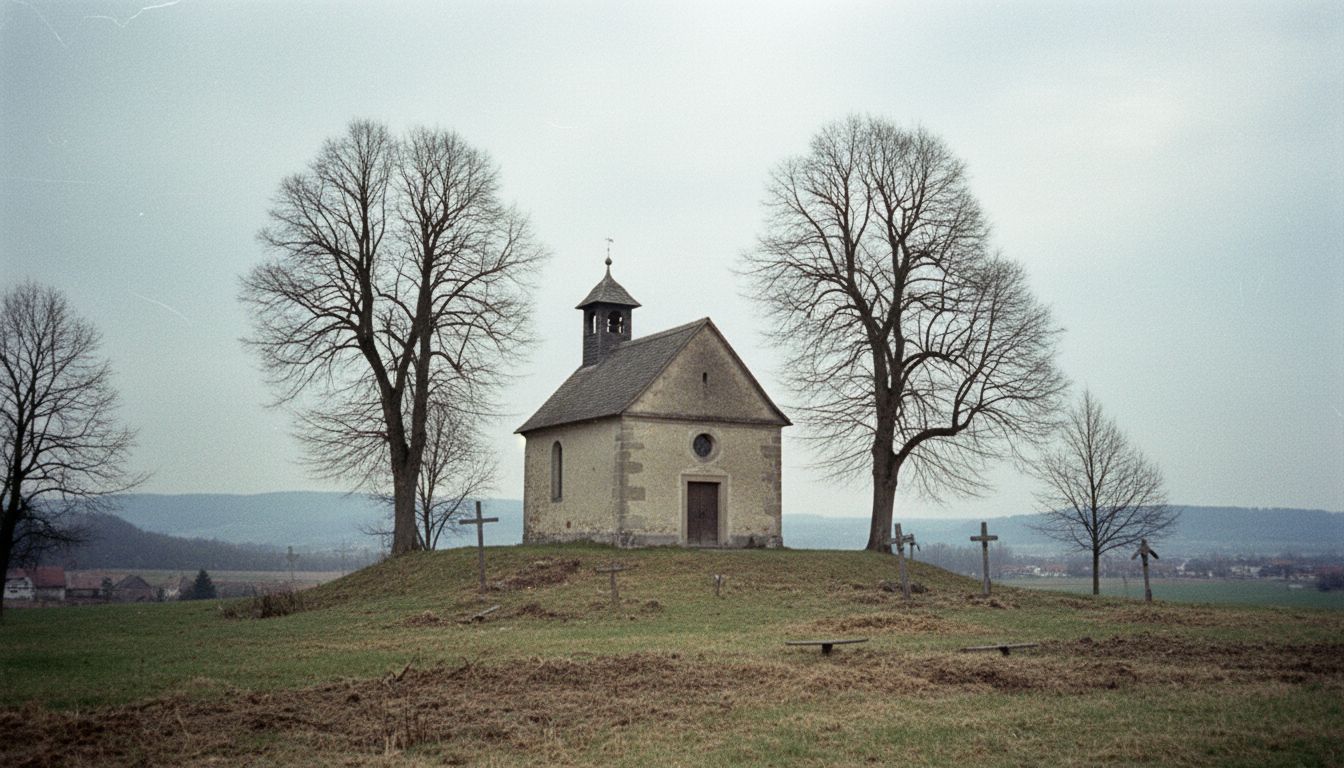
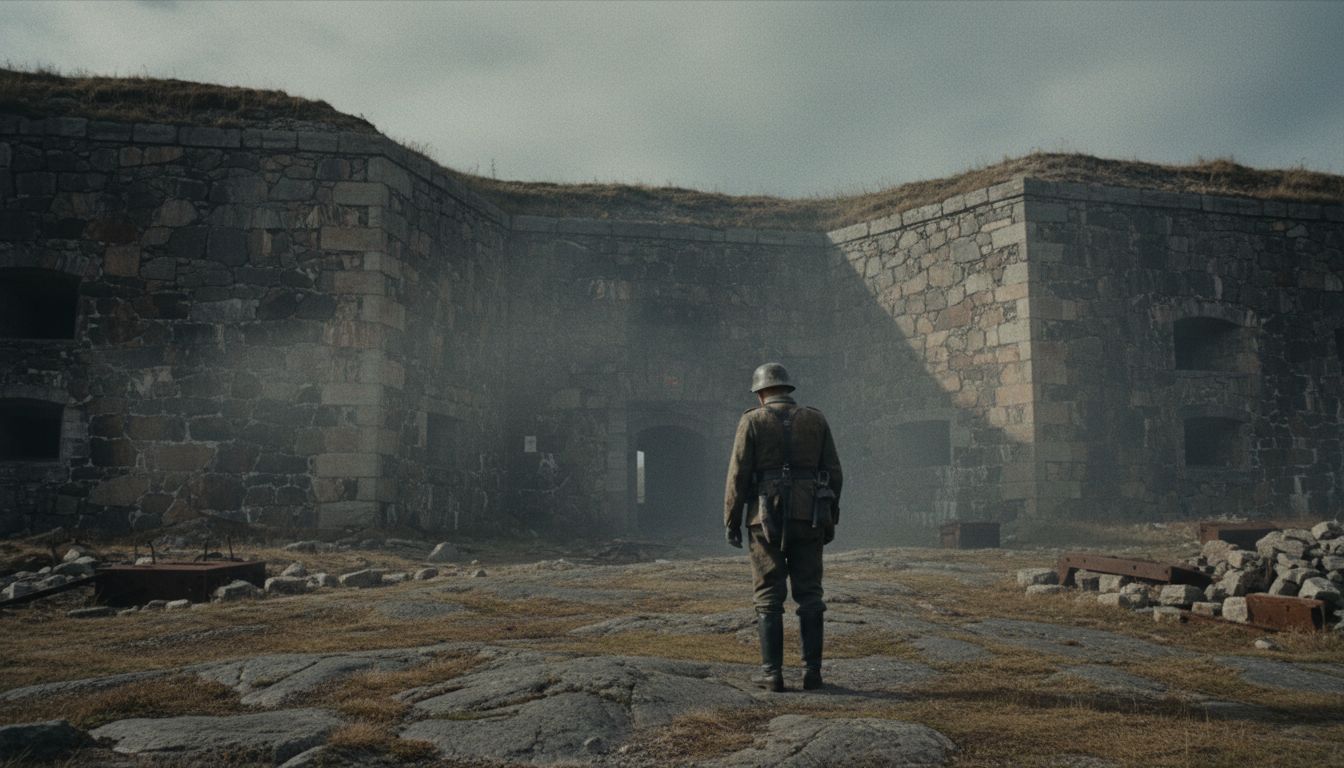
On a rugged ridge above the Stjørdalen valley in central Norway, Hegra Fortress stands as both a military landmark and a site of enduring local folklore. Built between 1908 and 1910 under its original name, Ingstadkleiva Fort, the stronghold was part of Norway’s post-union defenses against Sweden and was carved into the landscape with tunnels, communication passages, and underground halls designed to support infantry, artillery, and command operations. Today, the fortress is preserved as a museum and national heritage site, but its long, damp tunnel system has also become the center of a more spectral reputation: rumors that the spirit of a fallen soldier never left.
Wartime Legacy
The fortress’s historical importance was cemented during World War II, when a relatively small Norwegian force—about 250 soldiers and volunteers—held out against much larger German invasion forces for nearly a month in the spring of 1940. Led by Major Hans Reidar Holtermann, the defenders endured bombardment, shelling, aerial attacks, and repeated ground assaults. According to the account in the source material, the fighting intensified on April 14, when German forces began direct attacks on the fortress while defenders continued to resist and even repelled several enemy positions. Despite their determination, the garrison ultimately surrendered on May 5, 1940, making Hegra one of the best-known symbols of Norwegian resistance during the campaign.
That wartime history helps explain why the fortress remains such a powerful place in the national memory. The battle was not merely a military episode; it became a story of endurance under impossible conditions. The tunnels, once built for strategic defense, still carry that atmosphere today. Visitors encounter the same stone corridors and subterranean spaces that sheltered soldiers during the siege, a setting that has made the site especially fertile ground for stories of the unexplained.
The Ghost Story
It is in those deep, damp tunnels that local lore places the fortress’s most persistent haunting. After the war, people began to claim that one of the fallen soldiers still wandered the interior passages, unwilling—or unable—to leave the place where he died. The source material does not identify the soldier by name, and the story remains rooted in oral tradition rather than documented evidence. Still, the rumor has endured, passed along by visitors and locals who describe the fortress as more than a preserved battlefield.
Such stories are common at historic military sites, where trauma, confinement, and loss often become intertwined with ghost narratives. In Hegra’s case, the combination of wartime sacrifice and the fortress’s physically claustrophobic environment has helped sustain the legend. The tunnels, carved into hard rock and often described as cold and humid, provide a naturally eerie backdrop for tales of a lingering presence. Whether viewed as folklore or as an expression of collective memory, the story reflects the lasting emotional weight of the site.
A Place of Memory
Today, Hegra Fortress functions first and foremost as a heritage site preserving a defining chapter in Norwegian history. Yet the ghost rumor remains part of its public identity, reminding visitors that places of conflict often accumulate stories that go beyond military facts. The tale of the wandering soldier does not diminish the fortress’s historical significance; instead, it underscores how the legacy of war can survive in architecture, landscape, and local belief alike. In Hegra’s tunnels, history and legend continue to share the same narrow path.