Overview
A recent research review released in March 2026 confirms that Michigan’s Seney National Wildlife Refuge is the state’s leading hotspot for Bigfoot, or Sasquatch, sightings. The analysis, which cross‑checked U.S. Fish & Wildlife Service records, the Bigfoot Field Researchers Organization (BFRO) database, and historic newspaper archives, found zero evidence of ghosts, hauntings or other paranormal activity in the 95,455‑acre wetland complex. Instead, the refuge and the adjacent “Seney Stretch” of highway M‑28 consistently generate the highest concentration of verified cryptid reports in Michigan, according to BFRO’s Class A ranking system.
Verified Eyewitness Accounts
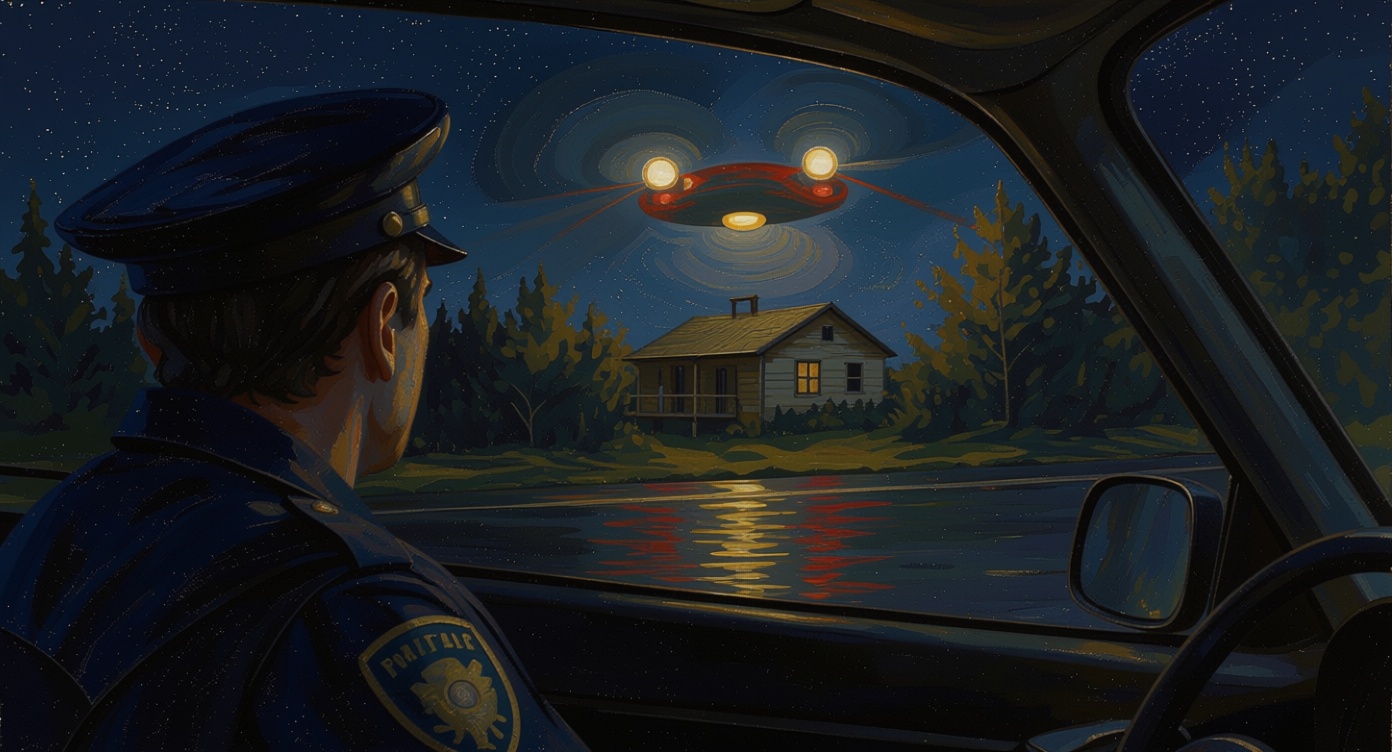
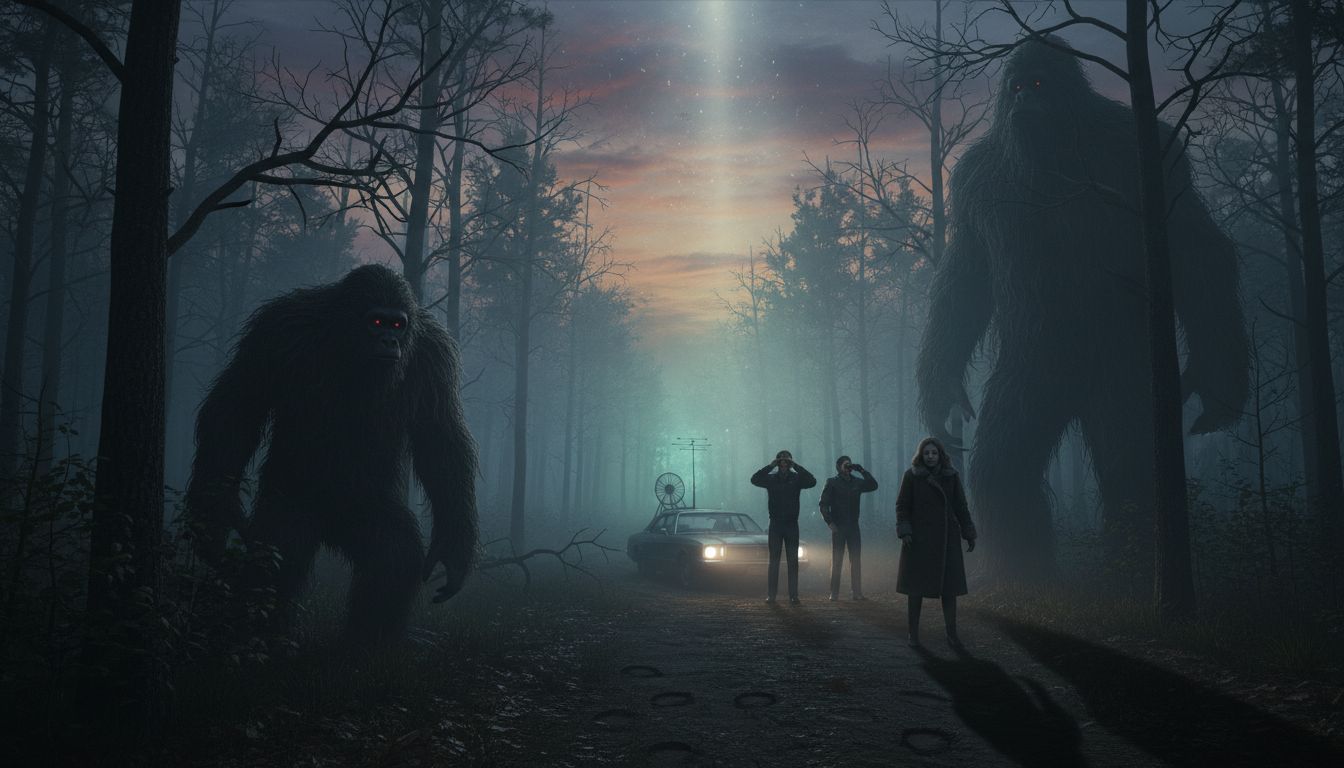
The most widely cited incidents come from two BFRO Class A reports. In January 1977, two U.S. Air Force police officers from K.I. Sawyer Air Force Base were driving eastward on the Seney Stretch when their headlights illuminated a 6‑ to 7‑foot, upright creature standing in the middle of the road. The men described the figure as having broad shoulders, a clearly defined head and torso, and a direct stare at the vehicle before it turned and disappeared into the wetlands. “We were frozen in the car for a few seconds,” one officer recalled during a 2024 interview with BFRO investigator Eric Lester, “and the thing just looked right at us before it vanished.” No tracks were found due to the extreme winter conditions.
A second high‑profile case occurred circa 2016 when a Detroit mother stopped on the Seney Stretch to tend to her infant. She reported that a massive, hair‑covered figure appeared at the edge of the road, stared through the windshield at her baby, and emitted a strong, foul odor as it approached. The incident was covered by the Detroit Free Press and subsequently cited in national cryptid surveys. Additional, less dramatic reports include “wood‑knocks” and fleeting shadowy shapes heard or seen near the marshes, all confined to the refuge corridor.
Historical and Environmental Context
Established on December 10, 1935, as the Seney Migratory Bird Refuge (renamed in 1937), the area was once part of the Great Manistique Swamp. Decades of logging and failed drainage left a mosaic of jack‑pine wetlands, managed pools, and the 25,150‑acre Seney Wilderness Area. The Civilian Conservation Corps shaped much of the modern landscape in the 1930s, creating the network of ditches and pools that define the refuge today. Unlike many remote locations that accumulate folklore about tragic events or Indigenous spirits, Seney’s history contains no documented tragedies or traditional ghost lore, reinforcing the conclusion that the only recurring anomalous reports involve a large, hairy hominid.
Local Perspective and Community Response
Residents of the nearby town of Seney, a historic logging settlement, are accustomed to the occasional cryptid tale. Local legend speaks of “The Ogre of Seney,” a colorful story about early‑20th‑century strongman P.K. “Snapjaw” Small, but the narrative is purely anecdotal and unrelated to any documented sightings. Law enforcement and wildlife officials, however, treat the reports seriously from a public‑safety standpoint. “We advise motorists to stay in their vehicles and avoid approaching any unidentified wildlife,” says Seney Township Sheriff Mark Davies, noting that the remote wetlands can be hazardous in winter. The BFRO continues to monitor the area, encouraging witnesses to submit detailed accounts, photographs, or footprints for scientific analysis.
Conclusion
The 2026 investigation underscores that Seney National Wildlife Refuge stands out as Michigan’s premier Bigfoot hotspot, with multiple Class A sightings verified by credible witnesses, including military personnel. While the region’s expansive, sparsely populated wetlands provide an ideal setting for elusive wildlife—whether known or unknown—the absence of any ghost or paranormal records distinguishes Seney from other cryptid‑laden locales that blend folklore with hauntings. As researchers and enthusiasts continue to document encounters, the refuge remains a focal point for serious cryptozoological study, balancing the intrigue of the unknown with the practical realities of a protected natural environment.