Overview
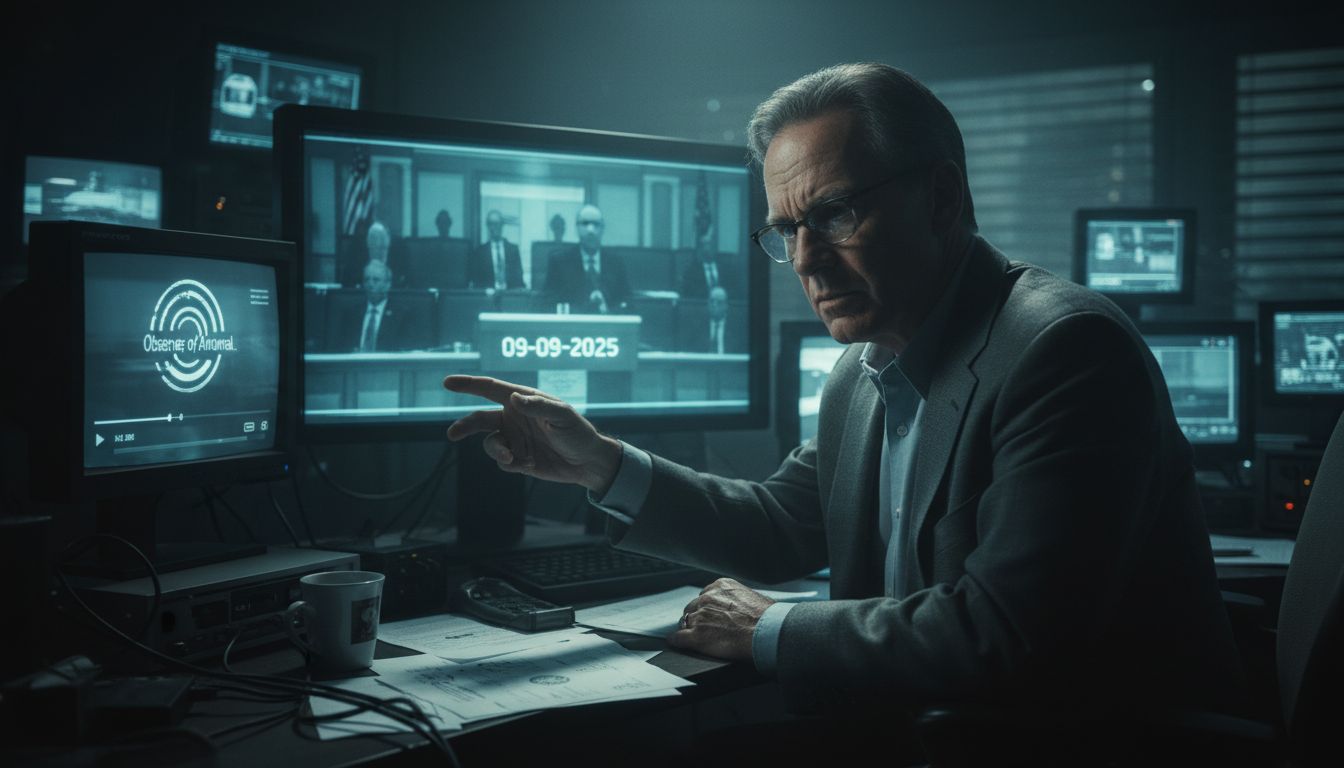
In a recent episode of Observer of Anomalous Objects, host Dale sat down with Steve Bassett, executive director of the Paradigm Research Group (PRG), to dissect the September 9, 2025 congressional hearing on Unidentified Anomalous Phenomena (UAP). Bassett, a veteran advocate for government transparency, framed the hearing as a calculated step toward a formal presidential acknowledgment of non‑human intelligence—what he calls “Big D Disclosure.” He argued that the hearing is less about unveiling new data to the public and more about establishing a political platform that can sustain a historic announcement.
Strategic Role of Congressional Hearings
Bassett described the series of UAP hearings as a “deliberate process of building a platform for a formal presidential announcement.” According to him, the intelligence community already possesses substantive evidence, but the public nature of the hearings serves to normalize the subject and reduce the stigma surrounding whistleblowers. “When Congress openly discusses these cases, it forces the executive branch to prepare for a coordinated disclosure,” Bassett said. He suggested that the ultimate goal is to move from fragmented testimony to a unified, government‑backed statement that would end what he terms the “truth embargo” on extraterrestrial phenomena.
Whistleblower Protection and Challenges
A central theme of the interview was the precarious situation of UAP whistleblowers. Bassett highlighted the experiences of former intelligence officer David Grusch and other witnesses who have faced career setbacks, legal threats, and personal harassment. He asserted that the hearing’s structure was designed to send a clear message to the Department of Defense and the intelligence community: Congress is aware of intimidation tactics and is working to strengthen legal safeguards. Despite these efforts, Bassett noted that many potential witnesses remain reluctant to appear before Congress because existing protection mechanisms are still “inadequate and unevenly applied.”
Historical Interference with Nuclear Systems
The discussion turned to the long‑standing link between UAPs and nuclear installations, a topic that has repeatedly surfaced in declassified reports. Bassett cited several high‑profile incidents:
- The “Turn On” incident in Russia, relayed by journalist George Knapp, where unidentified objects allegedly interfered with missile launch protocols.
- The 1966 Minot Air Force Base event and the 1967 Malmstrom Air Force Base shutdown, both associated with former officer Robert Salas, in which missile systems reportedly powered down during UAP sightings.
- Professor Robert Jacobs’ testimony about a 1964 Vandenberg Air Force Base encounter, where a filmed object appeared to disable a dummy warhead using directed light.
Bassett emphasized that these cases provide a consistent pattern of UAP activity targeting nuclear weapons, reinforcing the argument that the phenomena pose a potential national security risk.
Legislative and Political Landscape
The hearing also examined the progress of the UAP Disclosure Act, spearheaded by Senate Majority Leader Chuck Schumer and supported by a bipartisan coalition that includes Senators Marco Rubio and Kirsten Gillibrand. Bassett explained a “dichotomy” between the House and Senate approaches: the House focuses on public testimony and oversight, while the Senate concentrates on crafting a legislative framework for systematic declassification. He acknowledged setbacks in reconciliation committees, attributing them to lobbying from defense contractors wary of mandated transparency. Nevertheless, Bassett pointed out that the act’s repeated re‑introduction signals persistent political will to achieve disclosure despite industry resistance.
Outlook and Implications
Concluding the interview, Bassett expressed cautious optimism. He believes the “platform” is nearing completion, positioning the President to deliver the most consequential political announcement in modern history. “If we can align public interest, protect whistleblowers, and secure legislative backing, the momentum toward disclosure becomes irreversible,” he said. While he stopped short of predicting a specific timeline, Bassett argued that the convergence of congressional action, credible testimony, and growing public demand makes the prospect of an official acknowledgment **more likely than ever before


