Overview
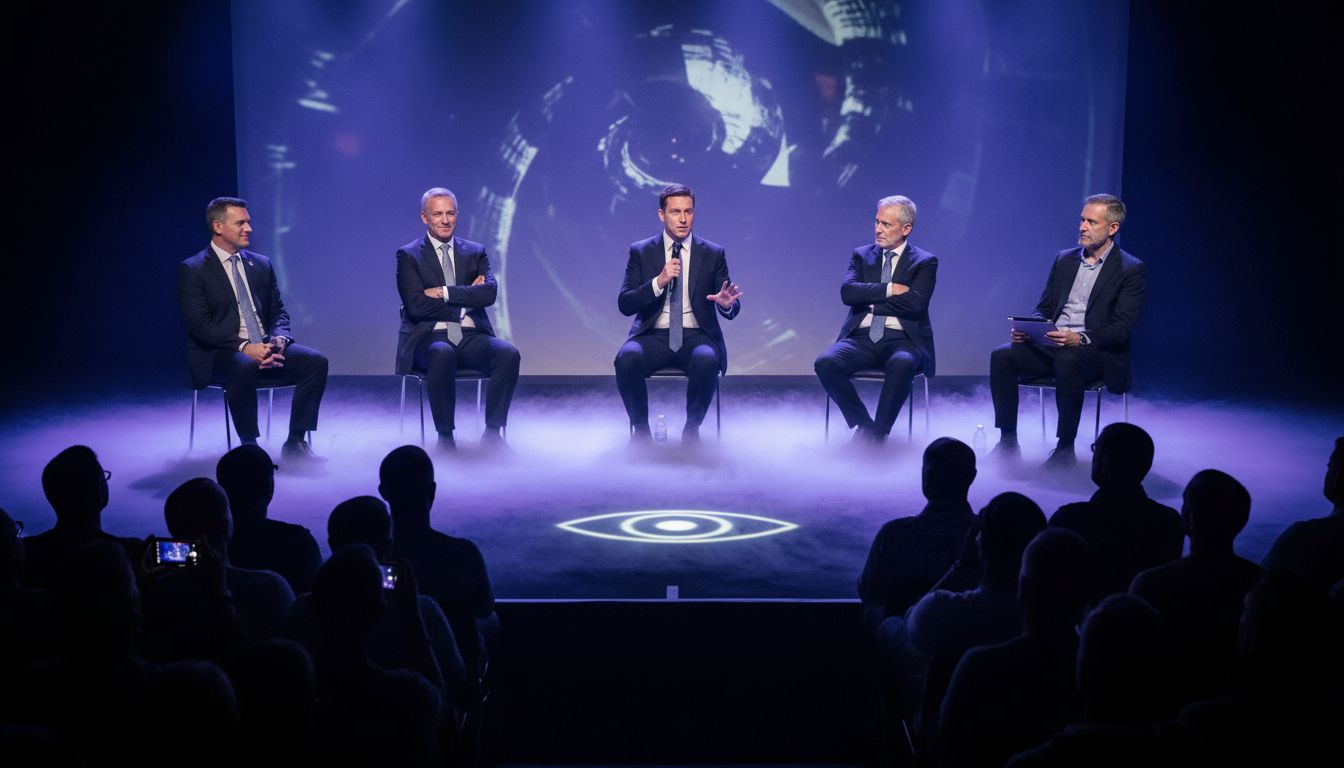
In a recent livestream, Steven Cambian gathered a panel to discuss what he describes as the ongoing collapse of several high-profile UFO narratives. The discussion, which opened up to audience participation, focused on prominent figures such as David Grusch, Luis Elizondo, and Chris Bledsoe — individuals who have garnered significant attention within the UFO disclosure movement. Cambian and his panelists scrutinized recent developments, highlighting what they see as unraveling stories and a shift in the credibility of some of ufology’s most influential voices.
Challenging the Narratives
Cambian was particularly critical of David Grusch, the former intelligence official whose explosive claims about U.S. government possession of alien technology and biological material made headlines in 2023. Cambian replayed portions of Grusch’s initial interviews, noting that Grusch denied any history of mental illness. However, Cambian emphasized more recent revelations that Grusch had, in fact, struggled with mental health issues, including post-traumatic stress disorder and at least two involuntary commitments.
“He got any mental problems? No. No. He ever suffered a mental breakdown? No. No. So, it's all kind of ridiculous,” Cambian remarked, alluding to what he views as a pattern of evasion or omission among high-profile UFO whistleblowers. He accused Grusch of adopting a “messianic” posture, promising game-changing revelations but ultimately providing little more than recycled anecdotes and no verifiable evidence.
The Commercialization of Disclosure
The panel also criticized the broader commercialization of the UFO disclosure movement. According to Cambian, many so-called whistleblowers and insiders appear more interested in selling books, documentaries, or conference tickets than producing tangible proof. “All of them claiming that they know the truth about the aliens. And of course they will tell you the truth in their latest book for $25 or whatever. Come to my conference or buy my documentary. Never any evidence,” he stated.
The discussion noted a significant shift in the UFO community, where figures with government or intelligence backgrounds are now often celebrated as truth-tellers, despite a previous era in which such connections were viewed with skepticism. This blurring of lines, Cambian argued, has muddied the waters and made it even harder for laypeople to distinguish fact from fiction.
Legal Battles and Community Pushback
In addition to discussing public figures, Cambian addressed ongoing legal and community issues, such as YouTuber Corey Goode’s use of copyright strikes against critics. Cambian claimed victory in appealing fraudulent claims made by Goode — a case he framed as emblematic of a broader tendency among some UFO personalities to silence dissent and criticism. “We are able to show that Mr. Goode has terrorized multiple YouTube channels with completely fake claims,” Cambian asserted, predicting potential consequences for Goode’s channel due to alleged misuse of the copyright system.
The open panel format allowed for a diversity of perspectives, including updates on the Corey Goode situation and broader calls for transparency and accountability within the community. Cambian’s stated aim was to foster a space where facts could be separated from fiction, and where the “no evidence, trust me bro” approach would no longer be tolerated.
Looking Ahead
As 2026 begins, Cambian and his panelists believe the UFO field is at a turning point. With several prominent stories under increasing scrutiny and legal challenges mounting, the demand for credible evidence and honest discourse is growing louder within the community. Whether this shift will lead to a more scientifically grounded and transparent discussion of UFO phenomena remains to be seen, but Cambian’s program signals a growing impatience with unsubstantiated claims and a renewed focus on critical inquiry.