Overview
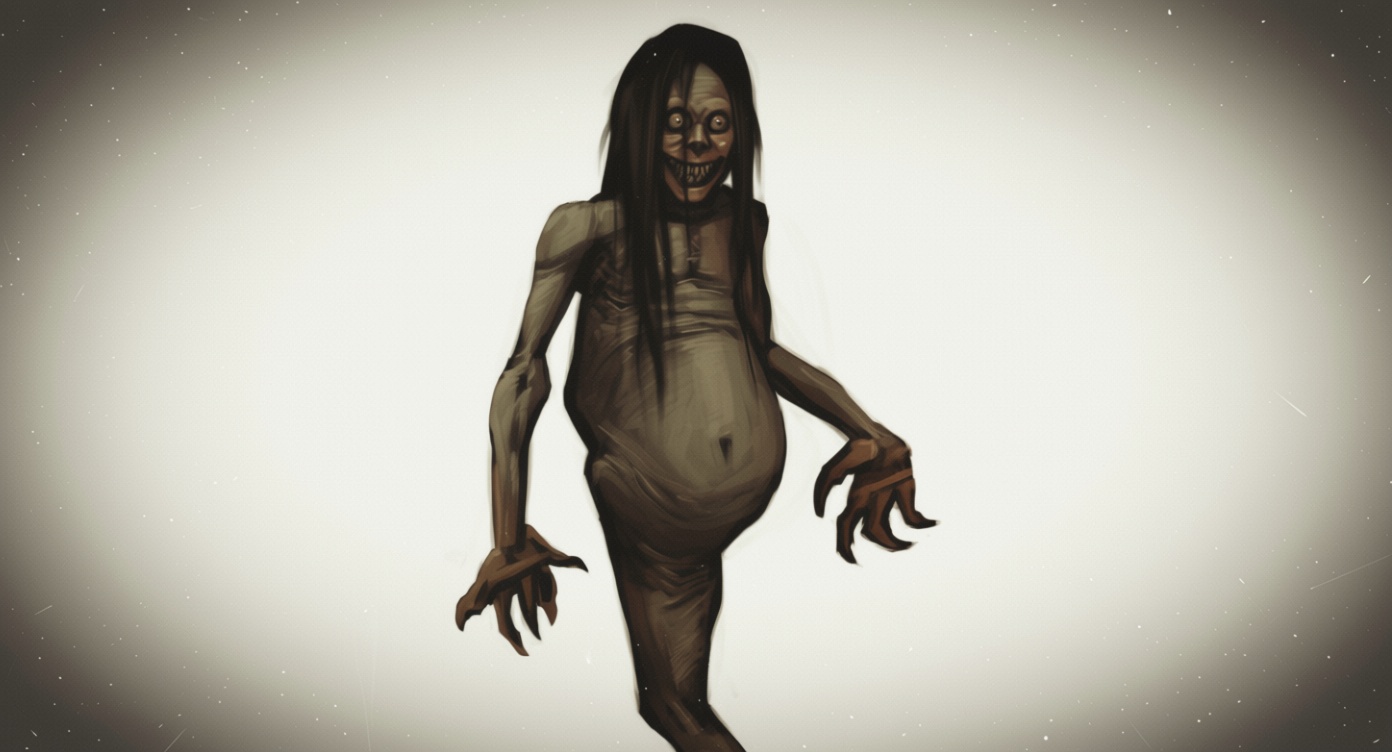
In the mountain jungles of Thailand, where dense trees and steep terrain can make night travel unnerving even without supernatural fears, folklore tells of Phi Kong Koi — a ghostly, one-legged entity said to haunt remote forests and prey on travelers. Often described as a bloodthirsty spirit, the creature occupies a place in Thai and wider Southeast Asian belief systems that blends cautionary storytelling with the mystery of the wilderness. In local tradition, the Kong Koi is not a single fixed figure but a shape-shifting legend with multiple versions, each reflecting the fears and moral lessons of the communities that retell it.
What the Folklore Says
Accounts of Kong Koi vary widely, but many share common traits: the being is associated with night, isolation, and hunger. In some descriptions, it is a one-legged ghost that hops through the dark while crying “Koi, koi, koi,” its voice linked to the sound that gives it its name. Other stories depict it as an old woman, an ugly forest dweller, or a monkey-like figure that cannot climb trees and instead lurks near the ground to ambush people passing through its territory. In several retellings, the spirit is vampiric, feeding on the blood of sleeping travelers, which has led to advice in folk tradition that people crossing the jungle should keep their feet covered or crossed while sleeping.
Regional Variations Across Southeast Asia
The legend is not limited to Thailand. The source material notes that versions of Phi Kong Koi appear in Laos and Malaysia, and among the Karen or Kayin communities in southern and southeastern Myanmar, where the creature is also said to drink blood. In those accounts, Kong Koi is described more as a small, agile creature with sharp teeth and fangs, reinforcing its reputation as a predatory being. Lao folklore adds another layer, portraying the Kong Koi as a food thief that steals fish from traps when hungry, while some stories say it can even marry a human and have children, either willingly or through kidnapping. These contrasting versions suggest the legend has adapted over time to local customs, landscapes, and cultural anxieties.
A Folklore That Reflects the Forest
Beyond the frightening imagery, Kong Koi functions as a classic cautionary tale about the dangers of the wild. In regions where thick forests and mountain paths have long posed real risks, stories of a hidden spirit waiting “behind the trees” may have helped reinforce safety rules, travel taboos, and respect for the unknown. The legend also overlaps with broader beliefs about animals and transformation: one version describes the spirit of a deceased langur inhabiting a living one, turning the animal into a blood-sucking being. Such details reveal how folklore often merges the natural world with the supernatural, giving local communities a narrative framework for explaining what cannot easily be seen, understood, or controlled.
Cultural Meaning Today
While Kong Koi belongs to the realm of folklore rather than documented reality, it remains a vivid example of how ghost stories endure across generations. Its persistence in multiple countries and among different ethnic groups shows how a single legend can take on new forms while preserving a shared sense of unease about the forest at night. For readers and researchers alike, Phi Kong Koi is less about proving a haunting than about understanding how communities use myth to define danger, memory, and place. In that sense, the one-legged jungle ghost continues to serve as a shadowy guide to the cultural imagination of Southeast Asia.