Overview
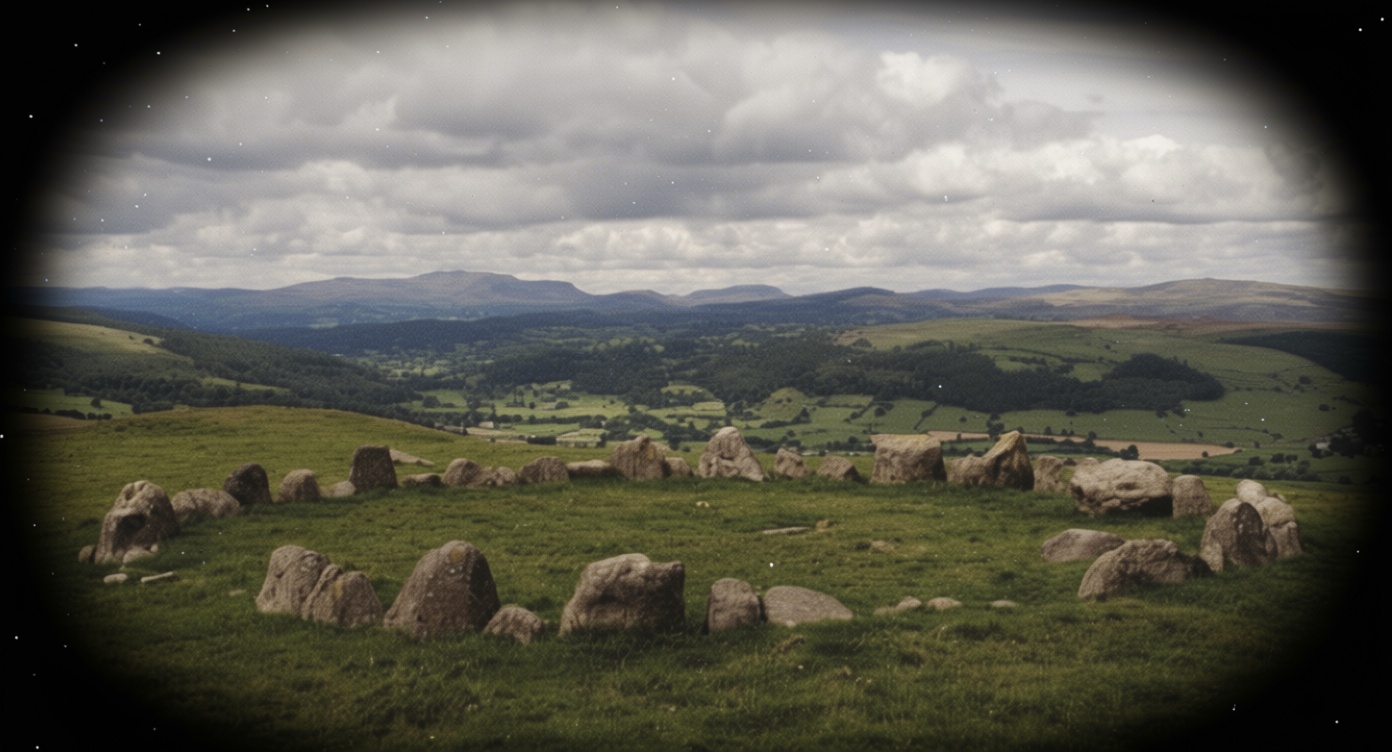
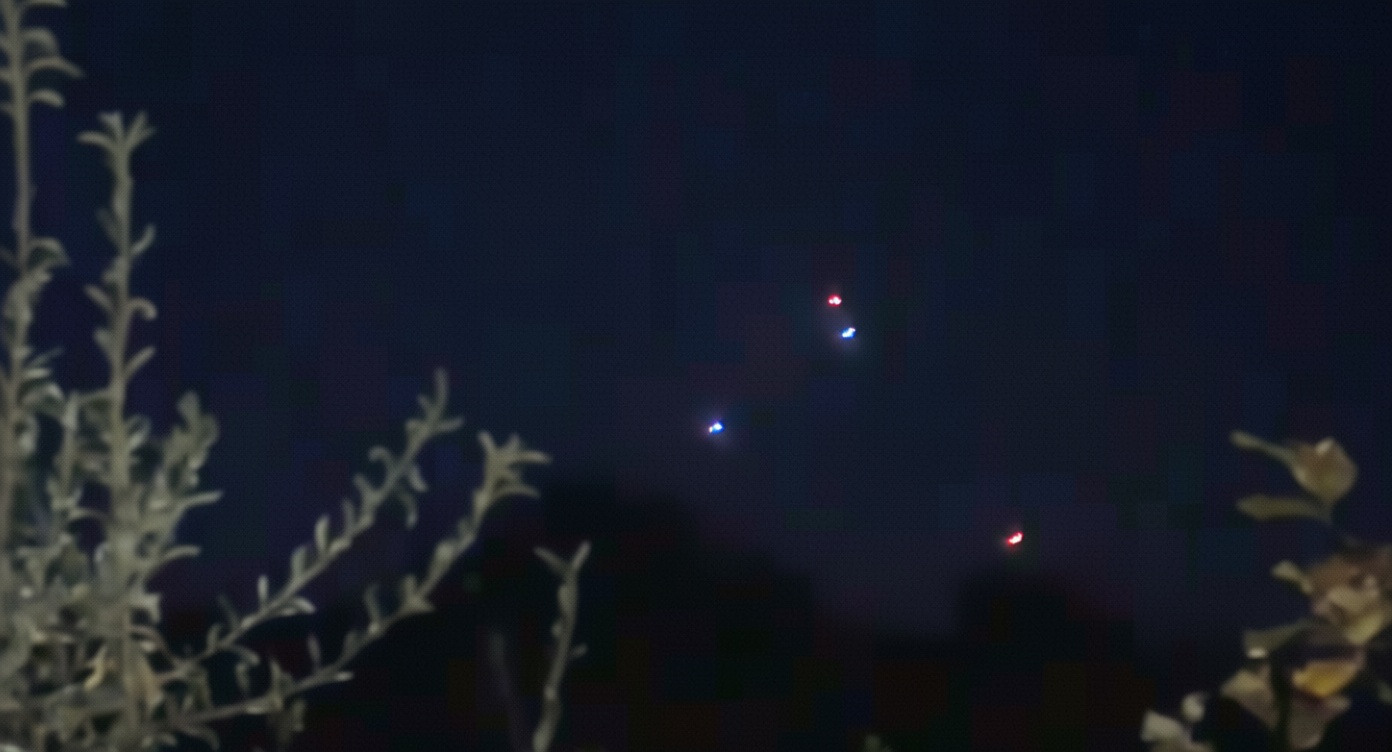
On the night of August 26, 1980, residents of White‑Acres, a rural community in central Pennsylvania, reported a prolonged aerial phenomenon that has become one of the state’s most cited close‑encounter cases. At approximately 10:30 p.m., multiple witnesses observed a large, silent object hovering over a cornfield for several hours. The craft emitted pulsing lights that shifted through red, blue, and white hues, and, according to several accounts, produced a faint electromagnetic hum that interfered with nearby automobiles and household electronics. The incident quickly attracted local media attention and prompted a formal inquiry by the Mutual UFO Network (MUFON), though the organization’s investigation concluded without a definitive explanation.
Witness Accounts
The testimonies collected from the night’s witnesses form a consistent, if unsettling, narrative. Bill B., a 57‑year‑old farmer who was working his fields at the time, described the object as “something I’ve never seen before—huge, triangular, completely silent, and hovering just above the stalks.” He added that the lights seemed to “pulse in a rhythm that felt almost intentional.” Across the road, Mary M., a 42‑year‑old mother of two, recalled a “strange tingling sensation” that ran up her arms as she watched the lights, followed by a brief period of missing time—she later realized she could not account for roughly ten minutes of the evening. Several family members reported burn marks on clothing and a faint, acrid odor reminiscent of ozone after the lights vanished. The convergence of visual, physiological, and temporal anomalies has led many to classify the event as a close‑encounter of the third kind under the widely used classification system.
Investigation and Findings
MUFON’s field investigators arrived on site within 48 hours, documenting the scene with photographs, eyewitness statements, and a limited electromagnetic survey. The team recorded intermittent radio frequency spikes on a handheld scanner, though the readings fell within the range of typical atmospheric interference. Soil samples taken from the field where the object hovered revealed localized scorch marks and a slight elevation in trace metal concentrations, but laboratory analysis could not definitively link these anomalies to any known terrestrial source. No radar data from the nearby FAA stations captured the object, a fact that investigators note is consistent with several other historical sightings where the craft appears to be radar‑transparent. Despite exhaustive review of weather logs, military flight records, and local power grid activity, no conventional explanation—such as a weather balloon, experimental aircraft, or atmospheric phenomenon—has been substantiated.
Patterns and Wider Context
The White‑Acres incident shares several hallmarks with other well‑documented close‑encounter cases from the late‑20th century. The combination of silent hovering, multicolored pulsing lights, electromagnetic disturbances, and physical effects on witnesses mirrors reports from the 1973 Pascagoula, Mississippi, encounter and the 1986 Westall, Australia, sighting. Researchers studying these patterns note that such clusters often emerge in rural, low‑light‑pollution environments, where visual cues are less likely to be confused with conventional aircraft. Moreover, the phenomenon of missing time and burn marks has been recorded in over a dozen MUFON‑cataloged cases, suggesting a recurring set of physiological responses that merit further scientific scrutiny. While skeptics argue that psychological suggestion and environmental factors could produce similar reports, the consistency across independent witnesses in White‑Acres strengthens the argument for a genuine, unexplained aerial event.
Current Perspective
More than four decades later, the White‑Acres encounter remains a touchstone for UFO researchers and a cautionary example for investigators seeking rigorous standards. Recent interviews conducted in 2024 with surviving witnesses reaffirm the original descriptions while adding new details about the lingering electrical after‑effects observed in household appliances weeks after the event. The case continues to be cited in academic discussions about UAP (Unidentified Aerial Phenomena) reporting protocols, highlighting the need for systematic data collection and interdisciplinary analysis. As governmental agencies worldwide begin to declassify UAP files, the White‑Acres incident stands as a reminder that credible, corroborated eyewitness testimony—paired with tangible physical evidence—remains essential to unraveling the enduring mystery of close encounters.