Overview
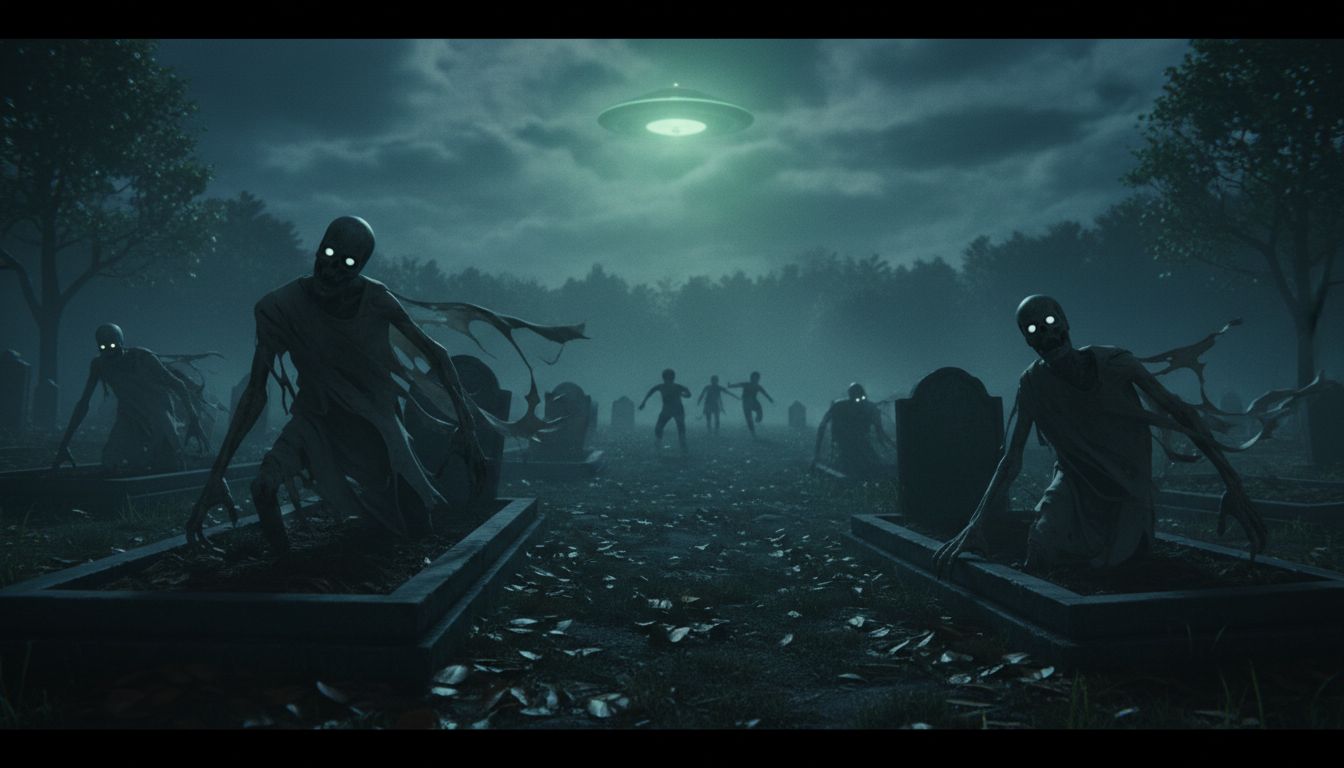
The Amalanhig are a lesser‑known yet striking figure in Visayan folklore, described as undead hunters who rise from graves to pursue living humans for their flesh and blood. The legend, documented by the cultural website Moon Mausoleum on 1 June 2026, places these beings primarily among Hiligaynon‑speaking communities in the central Philippines. While the more widely recognized aswang often dominates discussions of Filipino vampiric myth, the Amalanhig occupies a distinct niche: neither fully alive nor truly dead, they are said to stalk burial grounds, dense forests, and isolated villages in search of victims.
Origins and Mythic Evolution
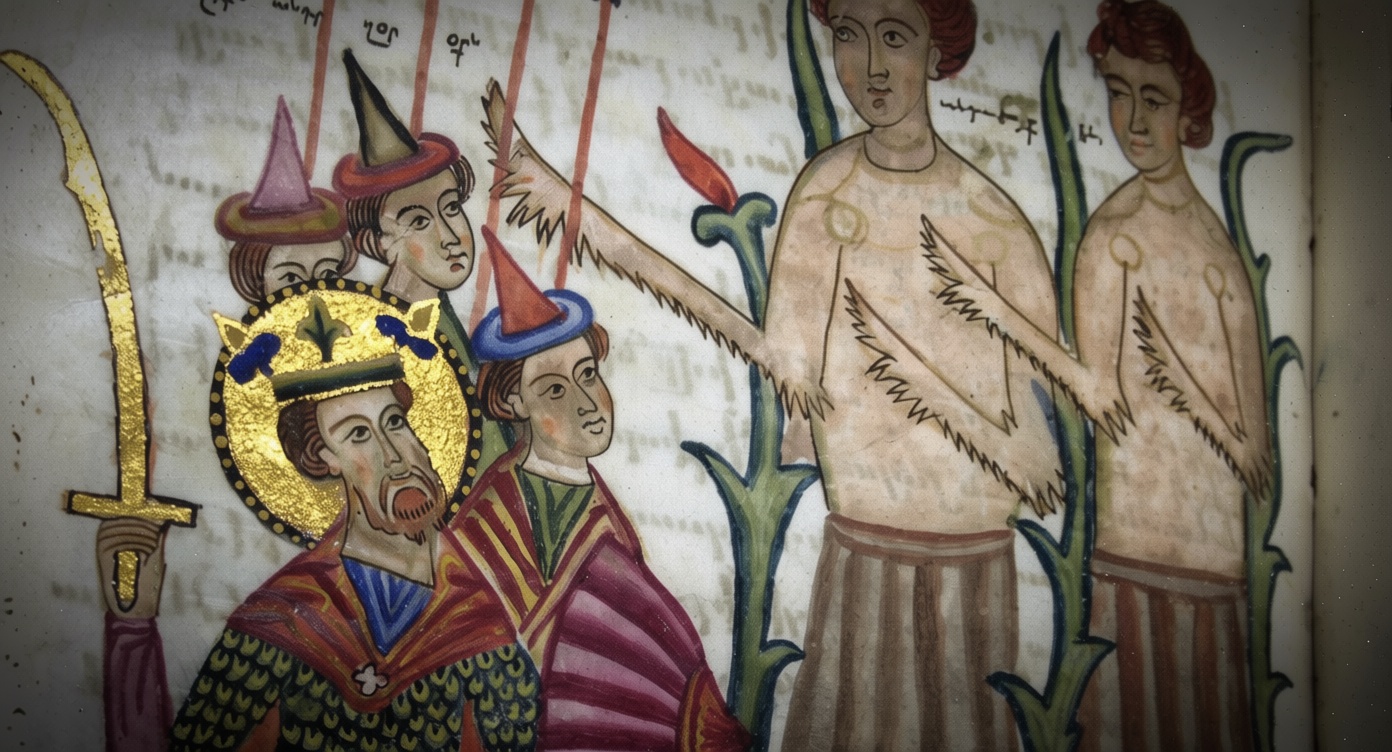
According to the source, the Amalanhig are believed to have once been human aswangs—shape‑shifting, flesh‑hungry entities in Filipino lore. Unlike typical aswangs, which can pass their powers to successors, these particular creatures “failed to successfully pass on their dark powers before death,” leaving them cursed to rise from their graves in a rigid, corpse‑like state. An alternative tradition attributes their creation to a pre‑colonial chieftain who ordered a priestess to forge an “army of warriors that couldn’t be killed.” The ritual allegedly involved covering men in black soot, inserting a cursed pebble into their mouths, and allowing them to return after three days as mindless, death‑resistant corpses. Both narratives underscore a pre‑Spanish belief in ritualized undead soldiers, reflecting broader Southeast Asian anxieties about the misuse of spiritual power.
Physical Traits and Behaviors
The Amalanhig are described as outwardly human, but with unnaturally long, sharp upper canines that betray their predatory nature. Their movement is constrained by a “rigor mortis‑like stiffness,” limiting them to straight‑line locomotion and preventing them from bending their knees. This physical limitation informs many of the creature’s legendary tactics: they chase victims relentlessly, either attempting to bite the neck or, in a more peculiar variant, to “tickle them to death” until the victim collapses from a mixture of laughter, breathlessness, and horror. Such divergent accounts illustrate the fluid oral tradition surrounding the Amalanhig, where the creature’s method of killing adapts to local storytelling preferences.
Cultural Significance and Comparative Context
Scholars note that the Amalanhig narrative blends elements of vampire myth, zombie folklore, and cautionary tales about respecting the dead. The legend serves as a reminder to maintain proper burial rites and to avoid disturbing graves—a theme echoed in other Philippine myths where the dead exact vengeance on the living for neglect or sacrilege. Compared with the more ubiquitous aswang, the Amalanhig’s rigid gait and straight‑line pursuit have been interpreted as symbolic of unbending duty or the inexorable march of death, reinforcing communal values around order and reverence for ancestors. The story also reflects historical tensions, as the “army of undead warriors” motif may echo memories of pre‑colonial warfare and the fear of unchecked spiritual authority.
Traditional Countermeasures
Folklore provides several pragmatic methods for evading an Amalanhig. Because the creature cannot bend its knees, running in a zigzag pattern or weaving unpredictably can confuse its straight‑line trajectory. Seeking refuge high above the ground—in trees, on rooftops, or on raised platforms—exploits its inability to climb, while deep bodies of water are also considered safe, as the rigid limbs hinder swimming. These protective practices are passed down through generations and remain part of the cultural repertoire for dealing with supernatural threats in rural Visayan communities.
The Amalanhig legend, while steeped in supernatural imagination, offers a window into the pre‑colonial belief systems of the Philippines and continues to shape contemporary understandings of regional folklore. As Moon Mausoleum notes, “the tale of the Amalanhig … blends vampire myths with cautionary tales about respecting the dead,” reminding both scholars and locals that the past—whether buried or alive—still walks among us.