The Grand Hotel Giessbach, perched above the icy expanse of Lake Brienz since 1874, has long been celebrated for its Belle Époque architecture and panoramic views of the Giessbach waterfalls. The hotel was commissioned by the Hauser family, prominent hoteliers from Wädenswil, who hired Horace Edouard Davinet—an architect noted for his work on the original Rigi Kulm Hotel and several Bernese public buildings—to create a luxury retreat that would blend seamlessly with the Alpine landscape. Davinet’s design incorporated stucco‑decorated ballrooms, wood‑panelled salons and a façade that echoes the region’s natural stone, a testament to his belief that architecture should complement its environment rather than dominate it.
After a golden age that saw royalty, artists and early tourists pass through its corridors, the Giessbach suffered the same setbacks that afflicted much of Switzerland’s hospitality sector during the two World Wars and the post‑war economic downturn. The hotel closed in 1979, remaining shuttered for more than three decades before a consortium of private investors purchased the property and reopened it in 2015 under the management of Mark von Weissenfluh. “We firmly believe that our hotel is primarily home to good spirits,” von Weissenfluh told reporters, referring both to the staff’s long‑standing reputation for hospitality and to the folklore that has resurfaced since the reopening. The statement reflects a deliberate marketing angle: the hotel now offers “heritage tours” that include a discussion of the building’s history and the legend of Davinet’s lingering presence.
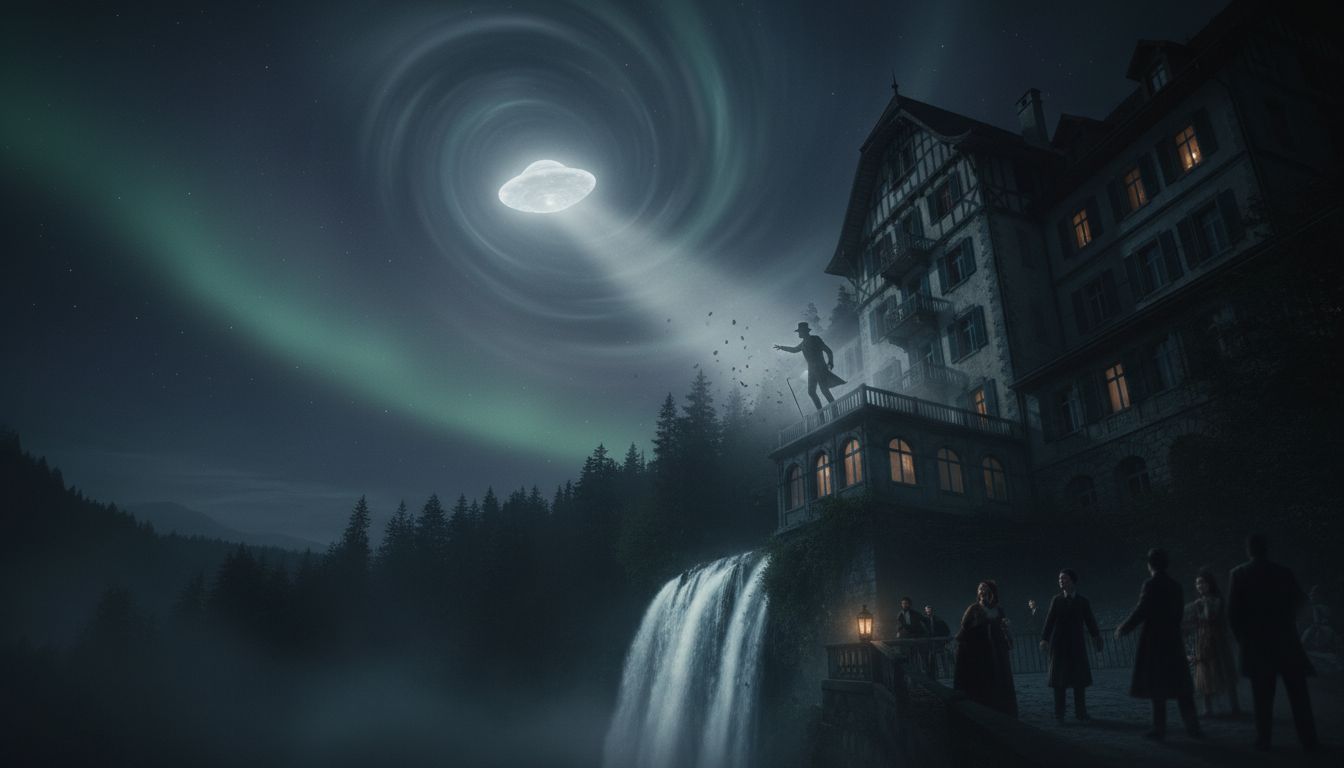
The legend itself emerged from a series of anecdotal reports that began circulating among staff in the early 2020s. Night‑shift housekeepers have described hearing faint tapping on wooden beams in the ballroom, while some guests claim to have seen a silhouette moving along the marble stairwell at the hour when the hotel is otherwise silent. A local historian, Dr Lena Keller of the Bern University Department of Architectural History, notes that such stories are not uncommon in historic Swiss hotels. “When a building has a strong identity and a long narrative, it often becomes a focal point for collective memory and, sometimes, for folklore,” she said. “The Giessbach’s association with Davinet, a figure who devoted much of his career to the project, provides a natural anchor for these narratives.”
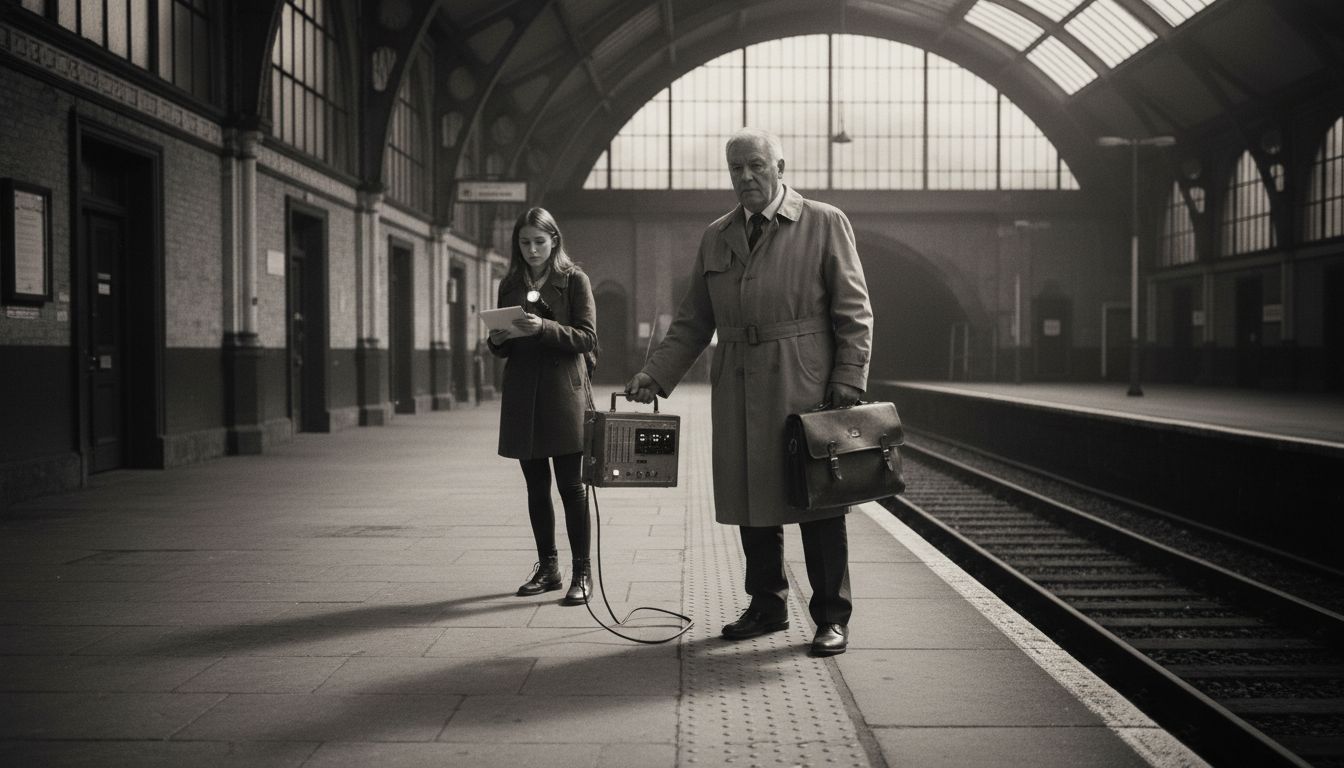
Paranormal investigators from the Swiss Society for Anomalous Phenomena have visited the hotel on two occasions, conducting infrared surveys and audio recordings in the ballroom and the upper suites. Their preliminary report, released in August 2025, found no evidence of electromagnetic anomalies or temperature fluctuations that would indicate a physical cause for the reported sensations. However, the investigators did note that the hotel’s acoustics amplify wind sounds that travel through the stone walls, especially during the winter months when the lake freezes and the surrounding forest is still. “The architecture itself can create auditory phenomena that feel uncanny to occupants who are not expecting them,” explained society member Dr Marco Rossi. “That does not diminish the experience for those who perceive it, but it offers a plausible explanation.”
The Giessbach’s management has chosen to embrace the ghost story as part of its cultural offering rather than to deny it outright. In addition to the heritage tours, the hotel now hosts an annual “Evening of Echoes” event, where local musicians perform in the ballroom while a narrator recounts the hotel’s history and the folklore surrounding Davinet. Attendance has risen steadily, with the 2025 edition drawing over 300 guests, many of whom cited the blend of historical insight and atmospheric storytelling as the main attraction. As the hotel continues to balance preservation, tourism and the allure of the supernatural, it remains a vivid example of how heritage sites can repurpose legends to sustain interest while maintaining a commitment to factual history.