Overview
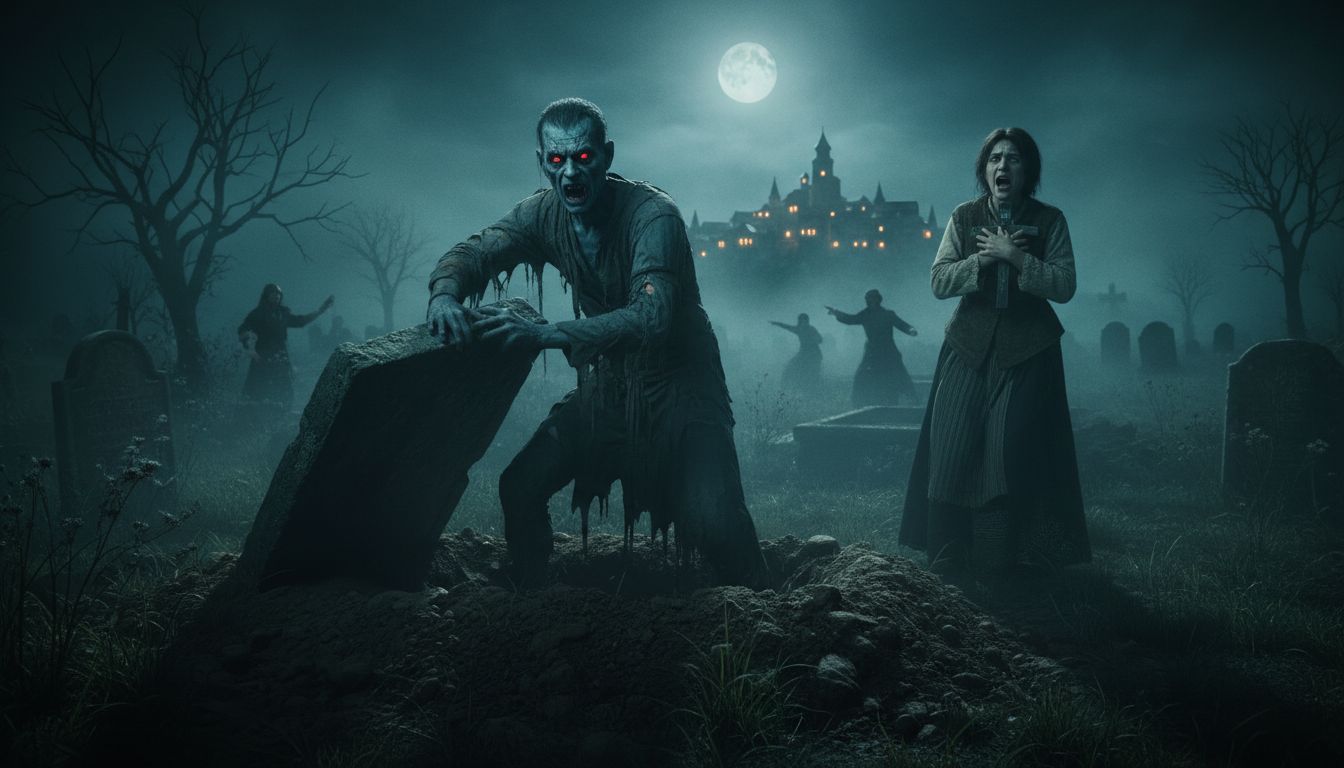
A centuries-old Santorini legend continues to illustrate how Greek folklore blended religion, social order, and fear of the dead. According to a historical account preserved by Jesuit sources, a man identified as Lanettis—a moneylender and usurer—died before fully atoning for his wrongs and later returned as a vampiric Vrykolakas after his wife failed to carry out his final wishes. What followed, the story says, was about a month of terror for the village, as residents believed the dead man had come back not as a simple ghost, but as a restless revenant capable of frightening an entire community.
The Santorini Setting and Vrykolakas Belief
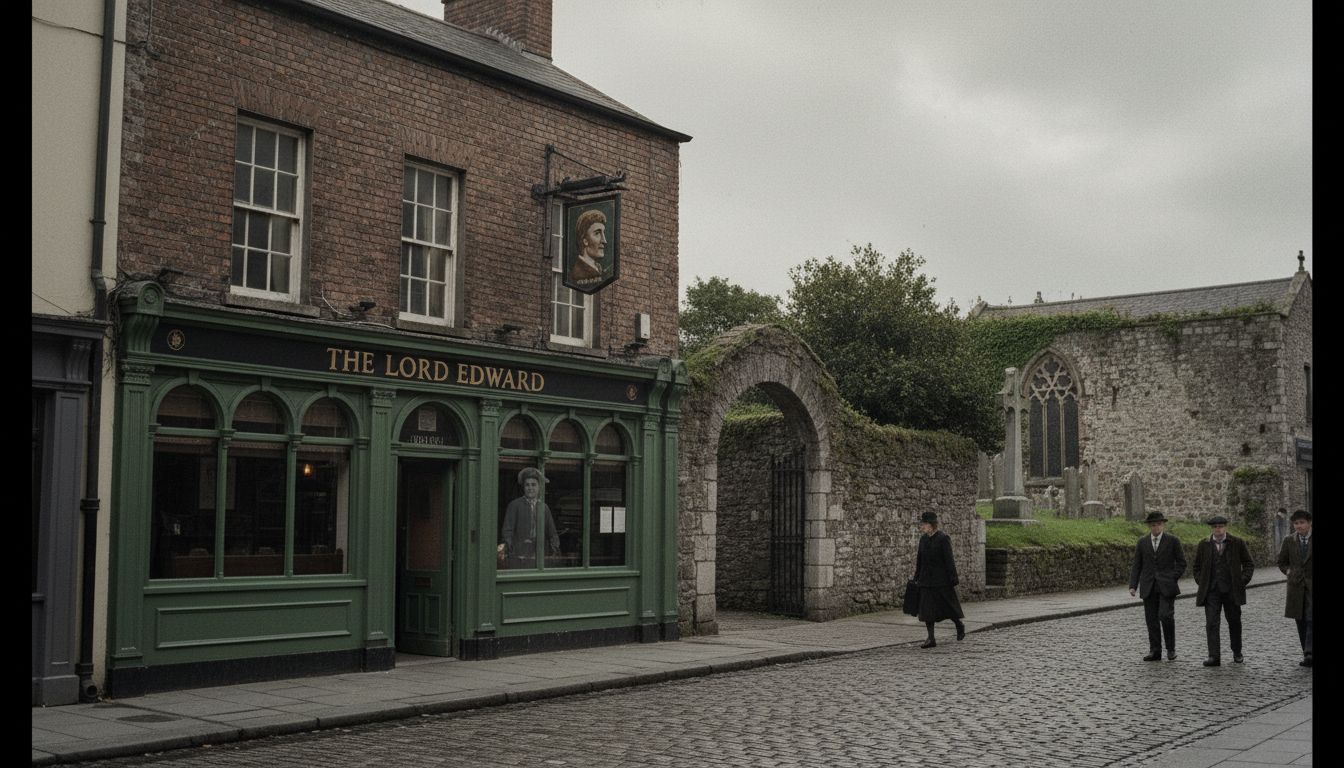
Santorini, officially known as Thira or Thera, sits in the Aegean Sea about 200 kilometers from mainland Greece and has long been associated with a rich mix of traditions shaped by ancient Greek mythology, Byzantine influence, Ottoman rule, and Orthodox Christianity. In local folklore, the Vrykolakas occupies a place somewhere between vampire, corpse, and spirit—an undead figure that could torment the living if proper rites were not observed. Some traditions even linked the island’s volcanic soil to the persistence of such stories, with speculation that burial conditions might have fueled reports of bodies not decomposing in the expected way.
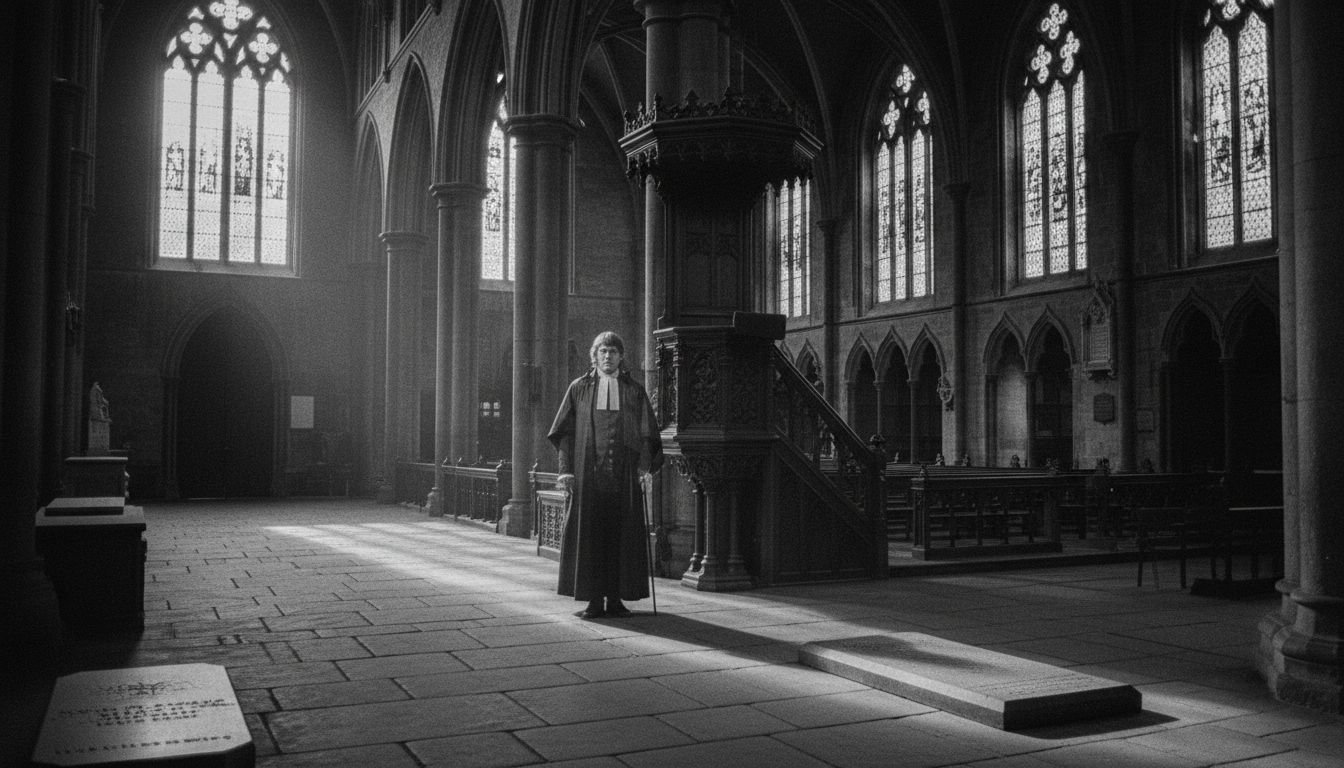
The account of Lanettis is one of several early stories preserved in writing by Jesuit missionaries, whose records remain among the oldest documented references to the Vrykolakas in Greek folklore. One such source is the 1657 text Relation de l’Isle de Sant-erini, attributed to Jesuit priest François Richard, who interpreted these beings through a Christian theological lens. Richard described the Vrykolakas as a form of diabolic possession, and recorded village customs in which residents would seek a bishop’s permission to exhume a suspected corpse if a disturbance was believed to be caused by the dead.
The Story of Lanettis
In the version highlighted in the Santorini tradition, Lanettis was not remembered as a model citizen. He was said to have spent much of his life as a moneylender, but in the final year before his death he reportedly sought to make amends to those he had wronged. Before dying, he instructed his wife to pay his remaining debts and correct his misconduct by distributing alms to the people affected by his actions. That request, however, was allegedly ignored in practice. Instead of helping the poor or settling accounts, his widow is said to have spent the money on people she preferred.
According to the legend, Lanettis began haunting the village six weeks after his death. He was described as something between a revenant ghost and a vampiric monster, and his return quickly became a communal crisis. The story does not present the haunting as a private apparition but as a public disturbance that spread fear through the settlement, reinforcing the idea that unresolved moral debts could follow a person beyond death.
Historical Meaning and Lasting Appeal
The Lanettis narrative is significant not because it can be verified as a literal event, but because it reflects how communities once understood justice, repentance, and the afterlife. In the Jesuit telling, the dead could become dangerous if their burial, confession, or obligations were left incomplete. That worldview also explains why exhumation, prayer, and even cremation were considered remedies in certain cases. The story of the atoning Vrykolakas remains compelling today because it captures a recurring theme in folklore: the idea that wrongdoing, if left unresolved, returns to trouble the living.