Overview
A recently published feature on the cultural‑heritage site Moon Mausoleum has revived interest in the Aufhocker, a lesser‑known spirit from German folklore. Described as a “heavy, vampiric spirit” that leapt onto travelers, the Aufhocker is said to impose an invisible, crushing burden that drains a victim’s life force. While the legend has circulated in rural oral traditions for centuries, the new article, dated 27 April 2026, collates historic accounts, regional variations, and linguistic clues to present a clearer picture of the creature’s role in German mythic imagination.
Origins and Etymology
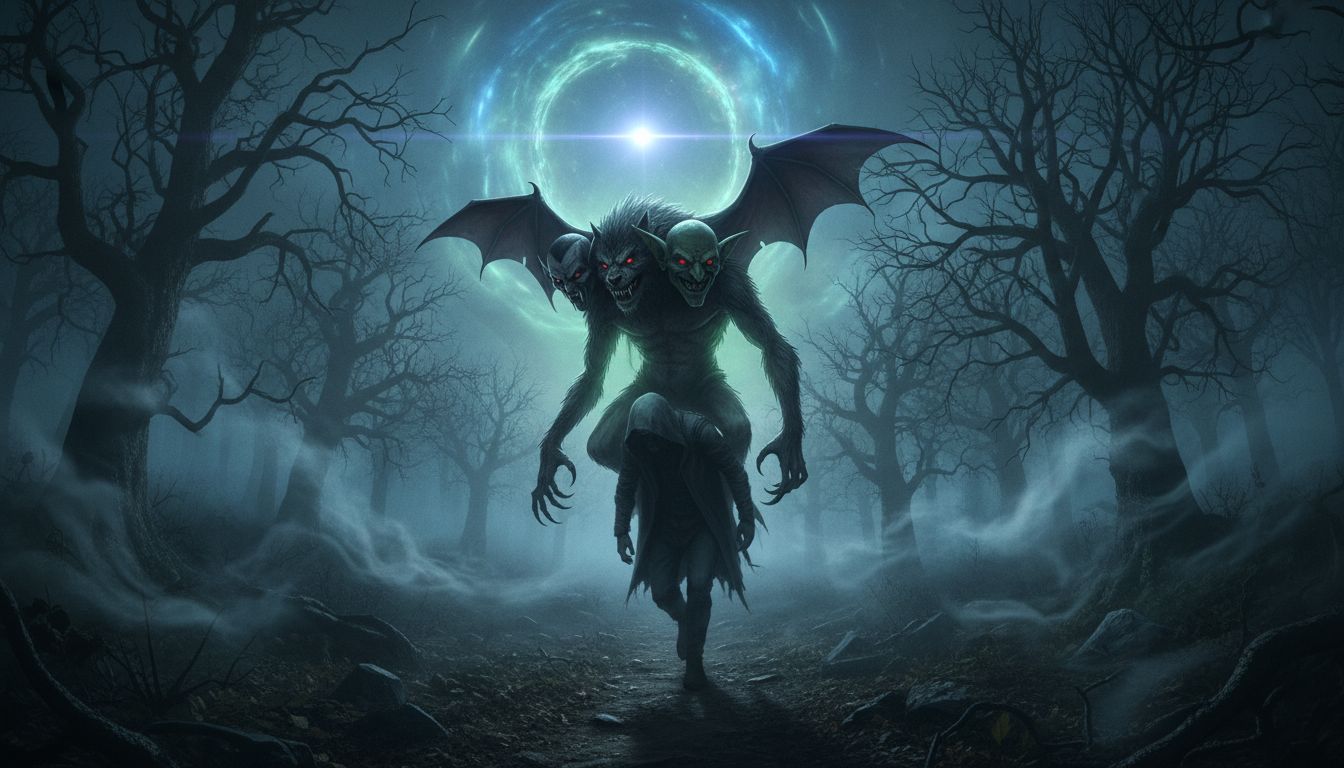
The name Aufhocker derives from the German verbs auf (“on”) and hocken (“to squat”), literally meaning “one who sits on.” In some dialects the entity is also called Huckauf. Folklorists trace the term to medieval collections of Kobold and Wolpertinger tales, where shapeshifting beings often blended traits of vampires, werewolves, and goblins. The Moon Mausoleum piece notes that the Aufhocker “is a predator that feeds on life force through relentless pursuit and physical contact,” distinguishing it from the blood‑drinking vampire of later literary fame.
Description in Folktales
According to the article, the Aufhocker typically appears on lonely forest paths, river crossings, or deserted roads after dusk. Witnesses reported hearing footsteps that mirrored their own, followed by a sudden pressure on the shoulder or back. Some narratives describe a tangible, hulking figure that climbs onto the traveler and “refuses to move,” while others portray it as an invisible weight that only the victim can feel. The creature’s grip allegedly leads to exhaustion, panic, and, in extreme cases, collapse. Relief is said to come only with “the oncoming light, a prayer, or the ringing of bells,” echoing broader European motifs of light and sacred sound dispelling malevolent forces.
A 19th‑century stone carving in Hildesheim, Lower Saxony, cited in the article, bears a dialect verse warning children:
“Junge, lat die Appels stahn, süs packet deck dei Huckup an …”
The inscription links the Aufhocker to moral lessons about theft, suggesting the spirit also functioned as a social deterrent.
Cultural Context
Scholars compare the Aufhocker to other “burden” spirits such as the Scandinavian Mara or the Slavic Ukraina, which impose a sense of heaviness to induce sleep paralysis or illness. The German version, however, uniquely blends vampiric life‑force consumption with the werewolf’s nocturnal hunting and the goblin’s mischievous trickery. This hybrid nature may reflect the fragmented political landscape of medieval Germany, where overlapping jurisdictions fostered a mosaic of local legends. The article emphasizes that the Aufhocker’s “invisible burden” metaphorically captures travelers’ real anxieties about isolation, fatigue, and the dangers of unlit roads.
Contemporary Relevance
The resurgence of interest in the Aufhocker aligns with a broader revival of European folk narratives in academia and popular media. Universities in Berlin and Munich have incorporated the legend into courses on mythic symbolism, and recent museum exhibitions on “Night Creatures of the German Forest” feature the Hildesheim carving alongside interactive displays that simulate the sensation of weight described in the tales. While the Moon Mausoleum piece refrains from sensational language, it notes that modern hikers sometimes report “a sudden feeling of being pressed down” on remote trails—an anecdotal echo that fuels ongoing folklore research.
Conclusion
The Aufhocker remains a compelling example of how regional folklore encodes collective fears through vivid, sensory imagery. By documenting its origins, narrative details, and cultural significance, the Moon Mausoleum article contributes to a nuanced understanding of Germany’s mythic landscape, reminding readers that even today, ancient spirits can “haunt empty roads” in the collective imagination.