Overview
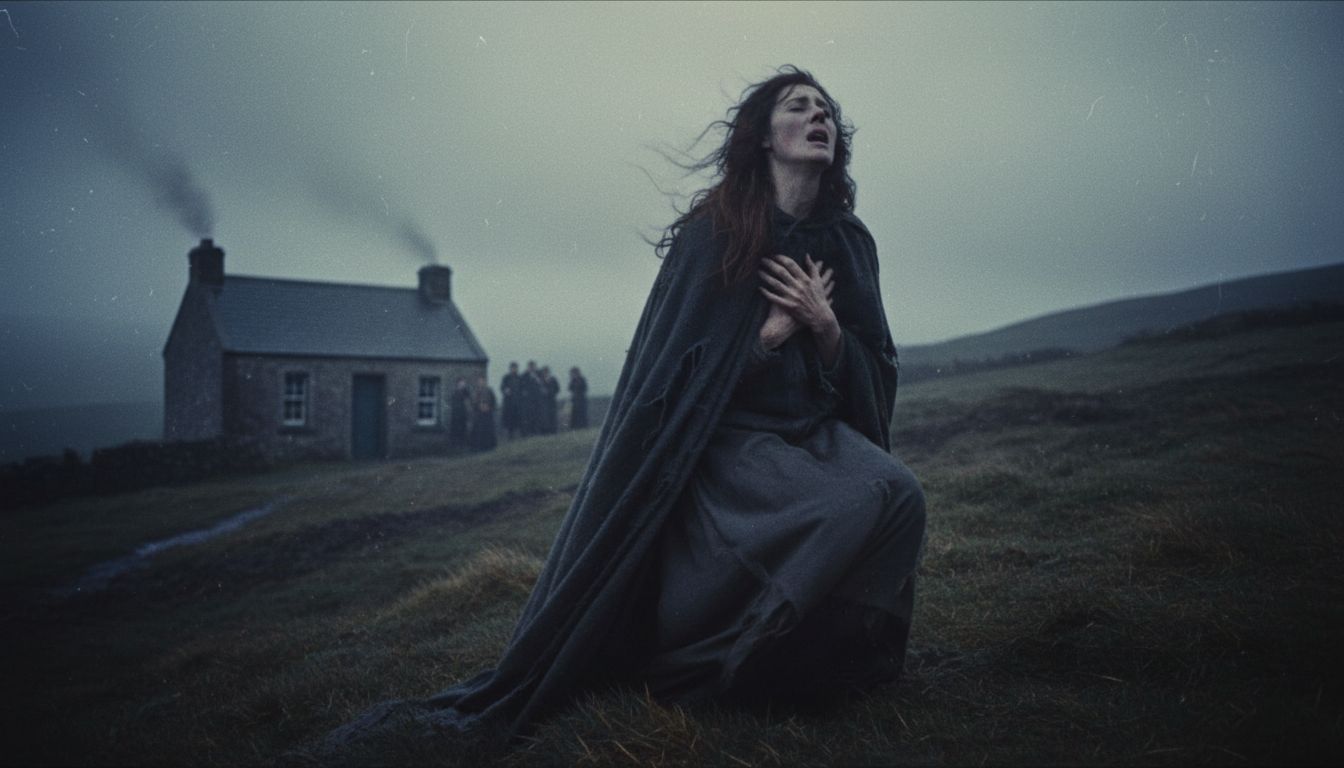
The banshee remains one of the most recognizable figures in Irish mythology: a supernatural woman whose mournful cry is traditionally understood as a warning that someone in a household is about to die. In the folklore examined by Moon Mausoleum in an article published Oct. 5, 2026, her wail—known in Irish as the caoineadh—is presented not only as an omen, but also as a lament for the person whose life is nearing its end.
Stories of the banshee have circulated for centuries, blending older Irish beliefs about the Otherworld with later traditions concerning ghosts, death and family memory. Although accounts vary by region and storyteller, the central image is consistent: a cry heard in the night, often before a death, that announces an approaching loss rather than causing it.
A Spirit of the Fairy Mounds
The name banshee is derived from the Irish bean sídhe, generally translated as “woman of the fairy mound.” The term connects her to the síde, grassy hills or ancient burial mounds associated in Irish tradition with the Tuatha Dé Danann, supernatural beings believed to have been driven underground.
The source notes that later English-language usage sometimes treated sídhe as a word for the fairy people themselves. In older texts, however, sidh referred more specifically to the palaces, halls, courts or residences of Otherworld beings believed to inhabit these locations. This linguistic and cultural connection places the banshee within a wider Irish cosmology, in which the boundary between the living world and the realm of the dead is permeable.
Appearance and Symbols
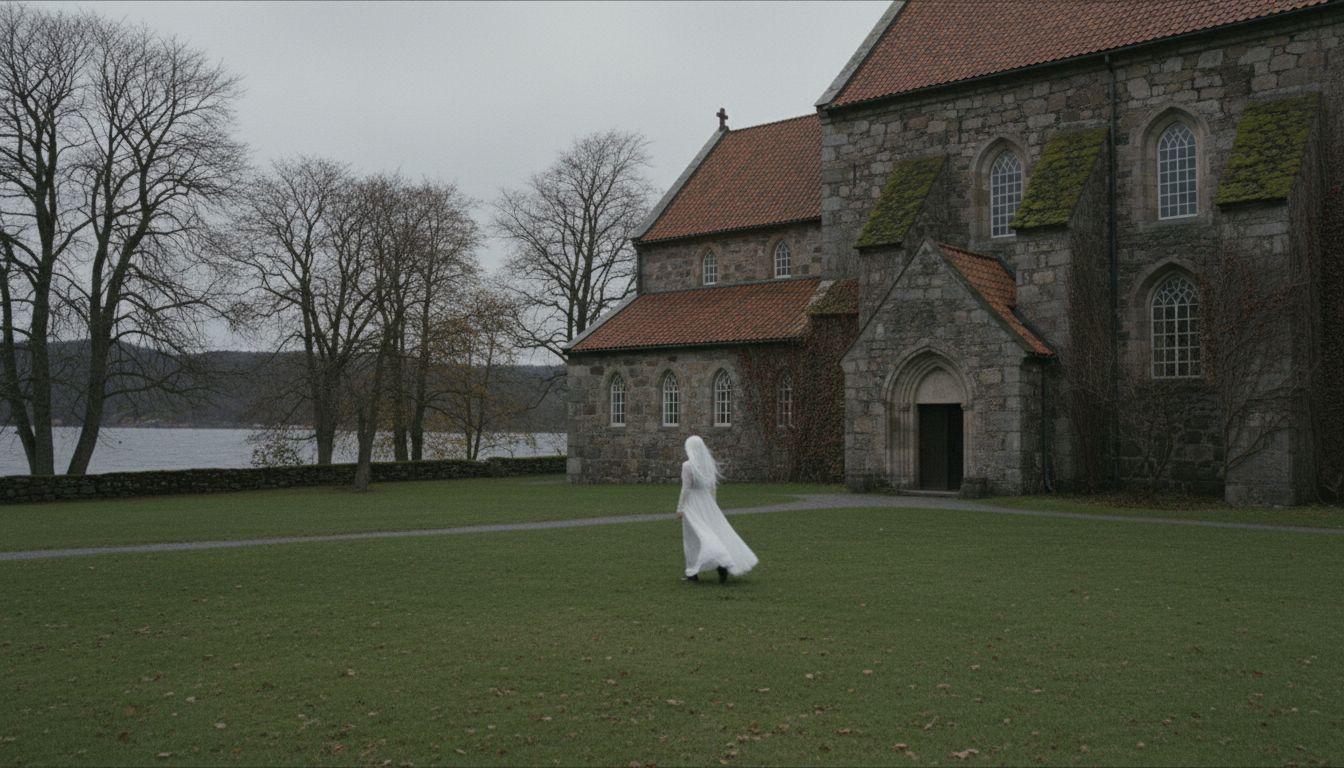
Descriptions of the banshee differ considerably. She may appear as a young and beautiful woman, a dignified matron or a shriveled old figure marked by grief. Tales commonly describe her with long, flowing hair, sometimes silver, red or black, and wearing a gray or white cloak over a green dress. Her eyes are often said to be red from continual weeping.
One recurring object is a silver comb. In some stories, the banshee uses it while combing her hair; in others, people who encounter her are warned not to take or touch it. The comb’s prominence may reflect its symbolic association with the banshee’s supernatural identity and her connection to the spirit world. Such motifs also helped give local versions of the legend a recognizable visual form.
Mourner, Messenger or Death Figure?
The banshee’s role is more complex than that of a simple harbinger of death. According to the tradition, her cry functions as both warning and lament—a signal that death is near and an expression of sorrow for the soul about to depart. Rather than being portrayed uniformly as a hostile entity, she can be understood as a supernatural mourner standing between the living and the dead.
The source also links her appearance and emotional character to the Celtic war and death goddess traditions associated with Badhbh, Macha and the Morrígan, figures sometimes described as a threefold divine presence. While the precise relationship between these traditions is debated and varies across interpretations, the comparison reflects the banshee’s association with prophecy, grief and mortality.
Enduring Cultural Legacy
There is no historical evidence establishing the banshee as a literal supernatural cause of death. Her significance lies instead in the way the legend gives form to fears surrounding mortality and the rituals of mourning. The image of a solitary woman crying beyond the house turns private grief into an audible, supernatural event.
For that reason, the banshee has endured far beyond the communities in which the stories originated. Her wail continues to appear in literature, art and popular culture, while the older folklore preserves a more nuanced figure: not simply a monster, but a spectral messenger whose sorrow announces the passage from life to death.