Overview
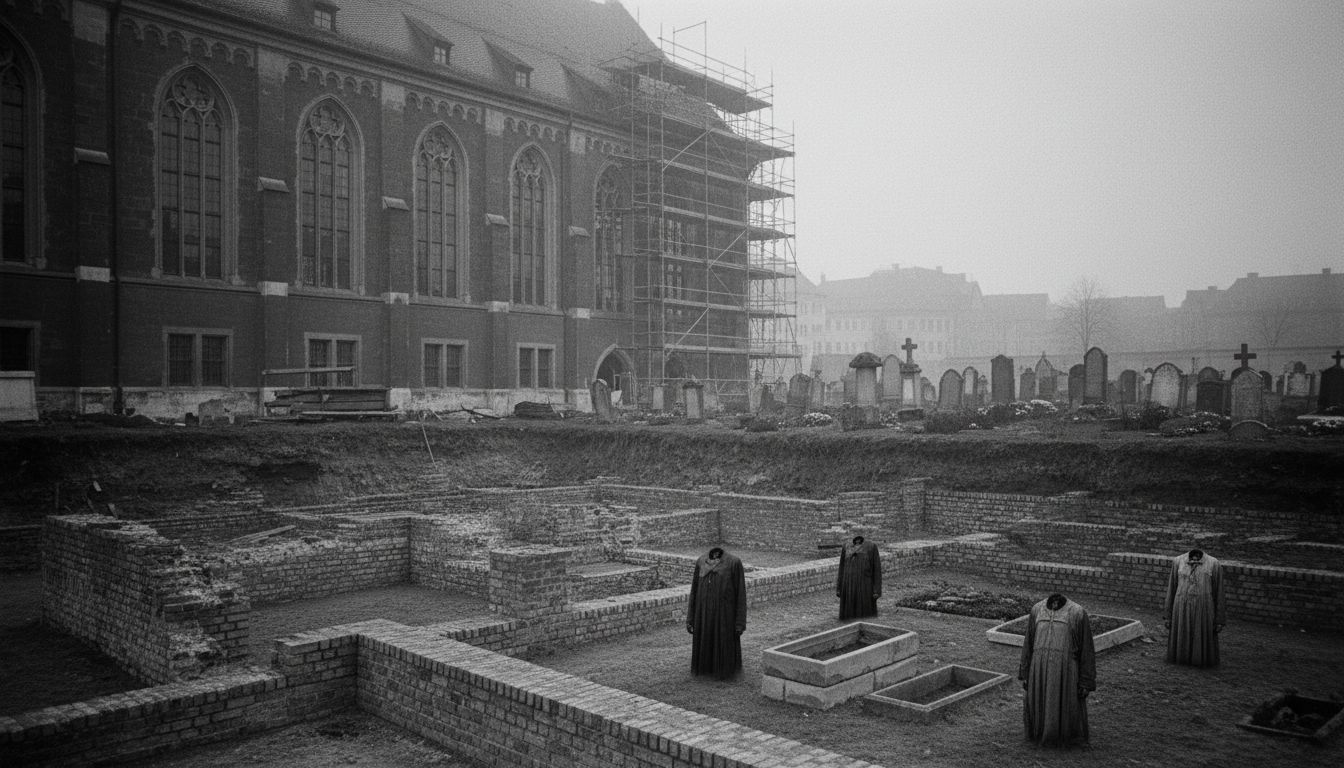
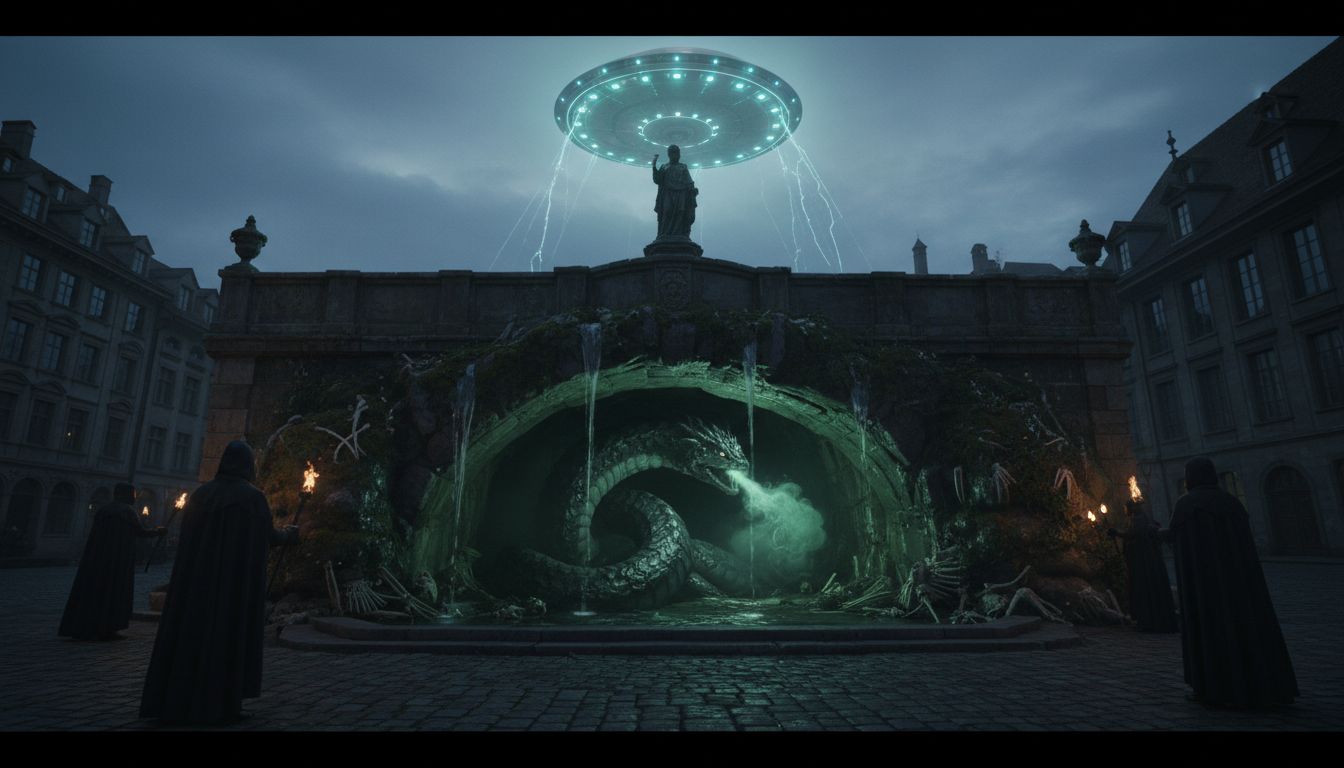
Basel’s historic Gerberberglein lane, tucked between the Rhine and the bustling Marktplatz, has long been associated with a creature of legend: the Basilisk of Basel. According to local folklore, a basilisk once inhabited a cavern beneath what is now Tanner’s Fountain (Gerberbrunnen). The myth describes the beast as capable of killing with its poisonous breath, a trait that has cemented its image as the city’s unofficial emblem. While the story has no basis in scientific fact, it continues to shape Basel’s cultural landscape, appearing on public art, municipal signage, and tourism literature.
Historical Roots
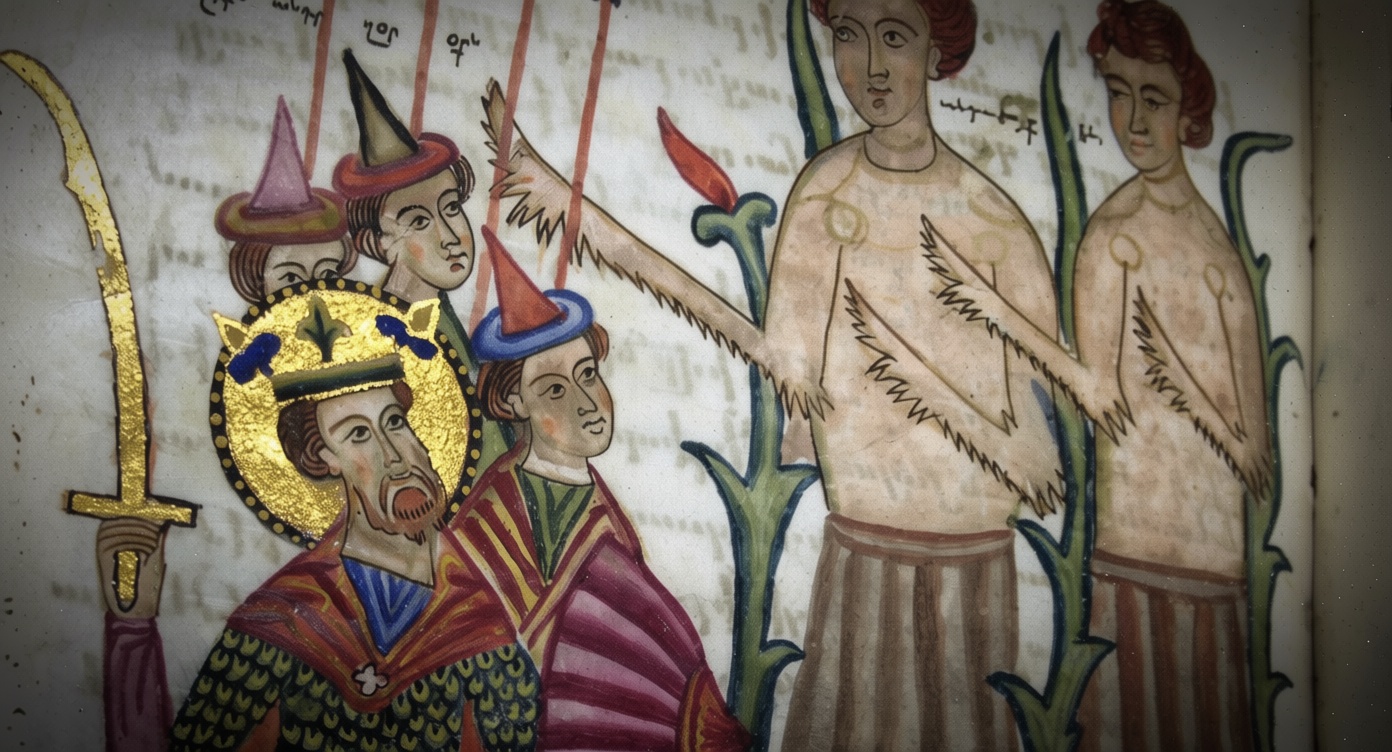
The basilisk appears in European mythic tradition as early as the first‑century AD, described in Greek texts as “basiliskos,” meaning “little king.” Medieval bestiaries portrayed it as the “king of serpents,” a hybrid born from a rooster’s egg incubated on a serpent’s dung heap—a symbolic union of the mundane and the monstrous. In Basel, the legend likely entered local consciousness during the Middle Ages, when the city’s guilds and merchants exchanged stories along the Rhine trade routes. The earliest written reference to a basilisk beneath Gerberbrunnen dates to a 16th‑century city chronicle, which notes that “the cavern of the tanner’s spring was feared for a foul breath that could fell a man in a single exhalation.”
Artistic Depictions
The myth has been immortalized in Basel’s public art. Notably, four stone basilisks designed by 19th‑century sculptor Ferdinand Schlöth flank the Wettstein Bridge, their snarling forms rendered in a style that blends realism with romantic exaggeration. The sculptures, cast from molds prepared by Hans Baur, were installed in 1883 as part of a citywide beautification program. Today, they serve as popular photo spots and are featured in municipal brochures that explain the city’s “unique heraldry.” A plaque beside the statues reads: “The basilisk, once said to guard the underground waters of Gerberbrunnen, now watches over Basel’s bridges.”
Contemporary Symbolism
Modern Basel embraces the basilisk as a quirky yet unifying symbol. The creature appears on the city’s tourism logo, on souvenir mugs, and even on the livery of the local tram line that passes the Gerberberglein area. City officials argue that the legend provides a narrative link between Basel’s medieval past and its present identity as a hub of art and innovation. “The basilisk is a reminder that Basel’s history is layered—some layers are stone, others are story,” said Markus Schmid, Basel’s head of cultural affairs, during a recent press briefing. The municipality has also incorporated the legend into educational programs for schools, using it to teach students about folklore, medieval symbolism, and the importance of preserving historic sites.
Expert Views
Scholars treat the basilisk narrative as a case study in how myths adapt to urban environments. Dr. Anna Keller, a historian at the Basel Museum of History, explained, “The basilisk legend survived because it was repeatedly visualized in public spaces—statues, murals, even the design of the fountain itself. Each iteration reinforced the story, turning a medieval cautionary tale into a civic brand.” Dr. Keller added that the legend also reflects broader European anxieties about disease and poison during the Black Death, when serpentine creatures were often linked to contagion.
Looking Forward
While the basilisk’s “poisonous breath” remains firmly in the realm of folklore, its impact on Basel’s cultural fabric is tangible. City planners are currently reviewing proposals to add interactive digital displays near Gerberbrunnen, allowing visitors to explore the legend through augmented reality. Such initiatives aim to balance respect for historical narratives with contemporary tourism demands. As Basel continues to celebrate its rich tapestry of myths, the basilisk endures—not as a threat, but as a symbol of the city’s enduring fascination with the mysterious and the marvelous.